
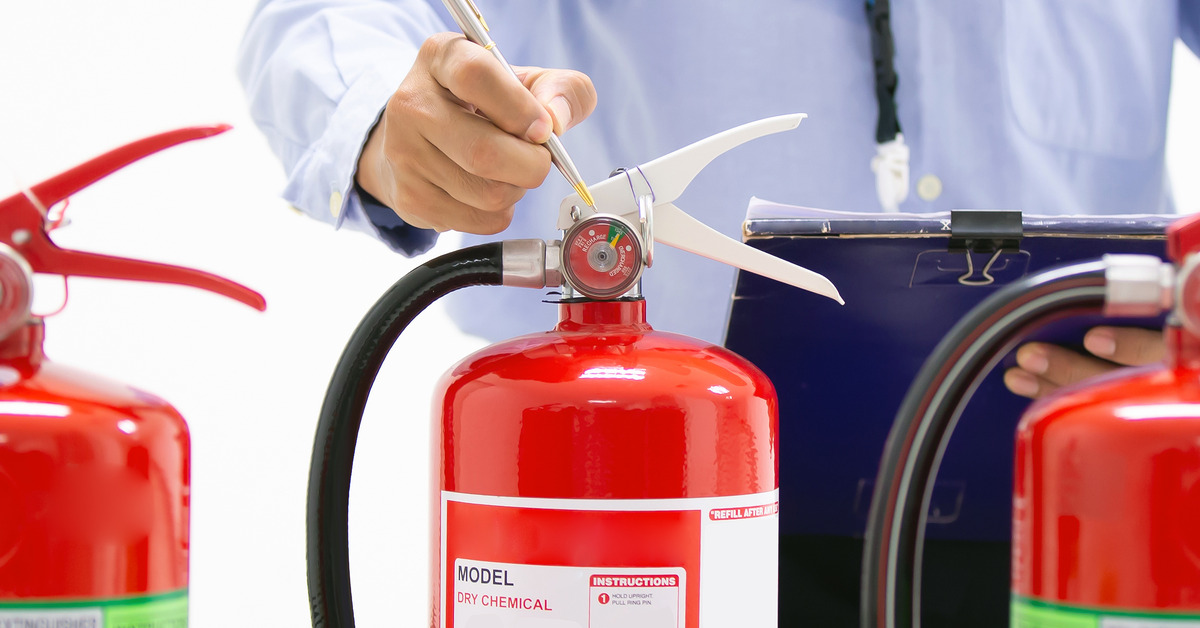
Fire Protection Services: Key Considerations for Businesses
2/26/2025
2/26/2025
Fire protection is a critical aspect of maintaining a secure environment for employees, customers, and assets. For business owners and facility managers in Industry, neglecting fire safety measures could lead to legal penalties and devastating losses. Review these key considerations regarding fire protection services for businesses to take a comprehensive approach.
Complying with local, state, and federal fire safety regulations minimizes risks of fines, closures, or liability lawsuits. Regulations evolve over time, and businesses must stay informed about the latest updates. Conduct regular reviews of your fire safety policies and maintain open communication with fire safety professionals to ensure you're always up to date.
Fire safety regulations for businesses in California are created and enforced by several authoritative bodies. The California State Fire Marshal (CSFM) plays a leading role in establishing standards and overseeing their implementation. Local fire departments work alongside the CSFM to enforce these laws and address regional needs. The National Fire Protection Association (NFPA) also offers important codes and guidelines that are used throughout the United States. Owners track structural guidelines by using the California Building Standards Commission Title 24 regulations.
A thorough risk assessment identifies fire hazards and vulnerabilities unique to your business. Tailoring your fire safety measures to the specific needs of your business, rather than attempting to use a one-size-fits-all approach, reduces the chance of incidents.
Here are some common elements included in a fire risk assessment:
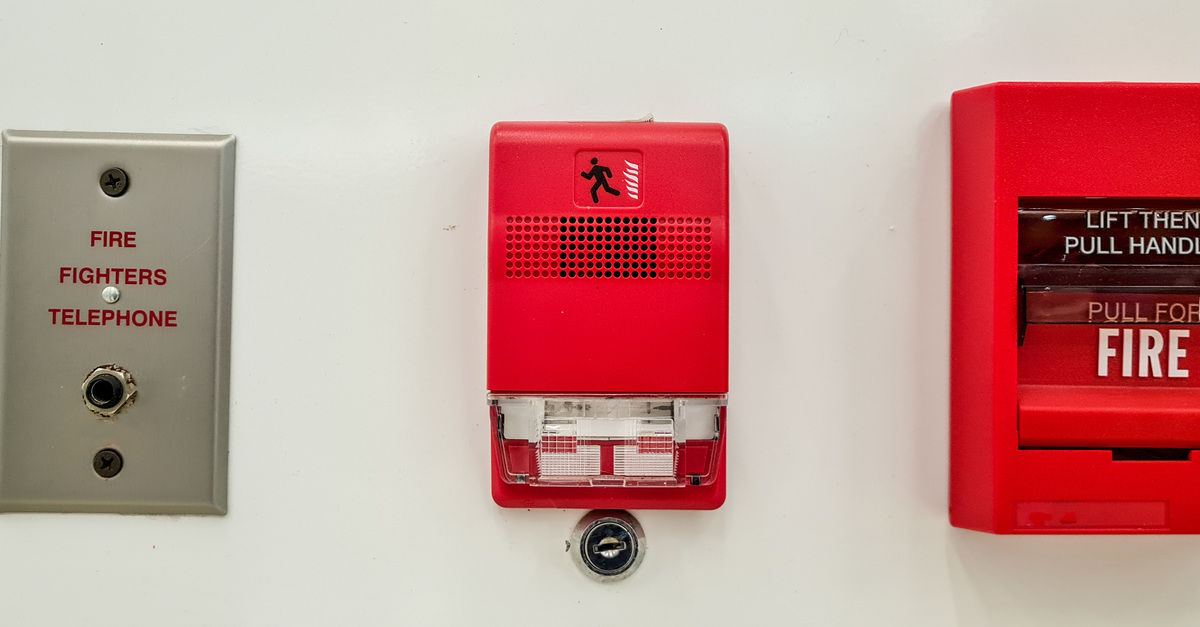
Routine inspections of fire alarms, extinguishers, sprinklers, and suppression systems verify that everything will function properly when you need it most. For business owners and facility managers in Pasadena, partnering with certified professionals to carry out regular checks and repairs keeps your property compliant and protected.
A fire alarm inspection includes checking that all alarms and detectors are working properly without any faults or malfunctions. It involves testing batteries, power sources, and control panels, and confirming that alarms sound correctly during tests. Inspectors also check for physical damage, obstructions, or anything that could prevent the system from functioning in an emergency. Service providers can inspect fire alarms quarterly, semi-annually, or annually.
A fire extinguisher inspection includes checking the pressure gauge to make sure it's properly charged and ready to use. Inspectors also look for any visible damage, like dents, corrosion, or leaks, that could affect performance. The inspection involves confirming the extinguisher is in its designated location and has an up-to-date inspection tag. Staff should check extinguishers monthly, and a certified professional should conduct a more thorough inspection annually.
During a fire sprinkler inspection, a certified professional will check that all sprinkler heads are free from obstruction, corrosion, and damage to ensure they can activate properly. The inspection also includes testing water pressure, valves, and control systems to confirm they are functioning as they should. Inspectors will verify the system's alarm and monitoring components are working and check for any leaks or visible wear in the pipes. Certified professionals can conduct mandatory quarterly, annual, and five-year inspections.
A fire suppression system inspection involves checking that all nozzles, pipes, and hoses are clear of blockages and damage. The system's control panel, alarms, and manual activation stations are tested to confirm they are working properly. Inspectors also verify that fire suppression agents, like chemicals or water, are at the right levels and stored safely. In California, certified professionals should conduct dry chemical inspections every six months to meet safety regulations.
Remember that the frequency of fire safety inspections can depend on the type of building and how it is used. For example, buildings that host high-risk activities like cooking or manufacturing may need more frequent inspections and maintenance. Environmental conditions, like humidity, dust, or extreme temperatures, can also impact how often equipment needs to be checked.
Another key consideration for quality fire protection services is to choose a service provider with ample local experience since they will have invaluable knowledge of codes and regulations. Hedrick offers tailored fire protection services in Los Angeles, which means your systems will always meet safety standards.
From cleaning sprinkler heads to replacing fire extinguisher parts, fire safety professionals tackle the tasks that ensure everything is ready for an emergency. We can repair and refill fire extinguishers, make tenant improvements to fire sprinklers, repair fire alarms, and more.
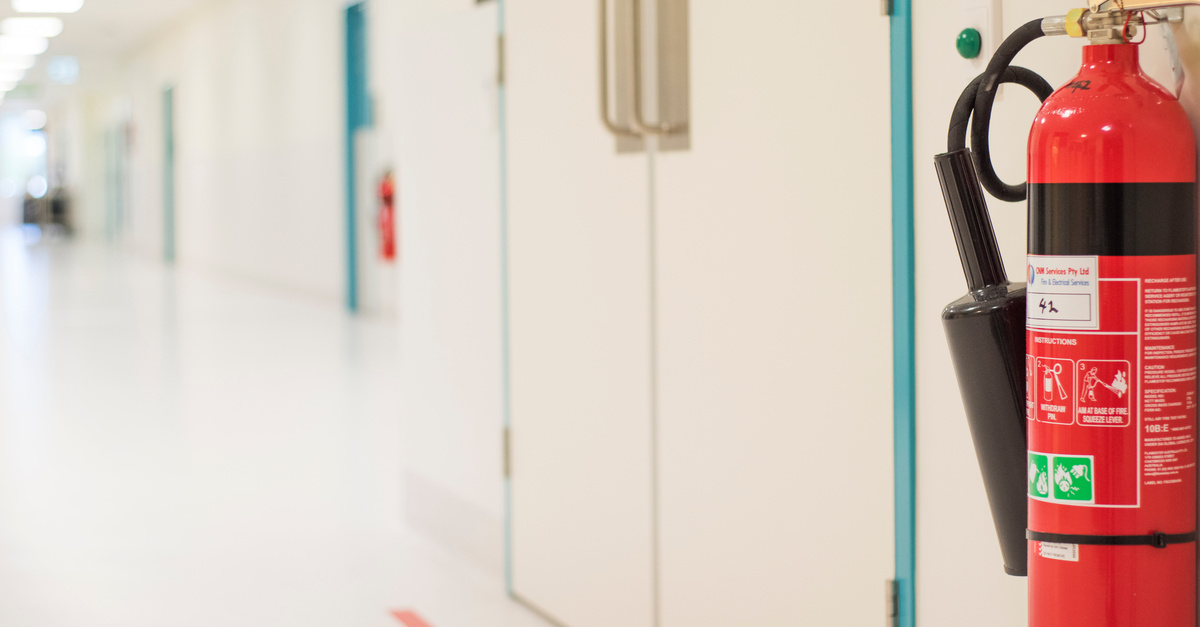
The placement of fire extinguishers can make all the difference in containing small-scale fires before they escalate. Strategic positioning allows for quick access during an emergency.
Fire extinguishers come in different types, each designed to handle specific kinds of fires. Here's a quick guide to help you understand their uses:
To choose the right fire extinguisher for your business, consider the materials and hazards present in your work environment, like electrical equipment or flammable liquids. Consulting a fire safety expert can also help ensure you meet legal requirements and have the proper protection in place.
Modern fire protection technology offers advanced features like faster detection and automated alerts. Upgrading outdated systems enhances response times and overall safety.
Integrating smart fire protection systems with existing building management tools adds a layer of convenience and efficiency. These integrations can provide real-time monitoring and streamlined communication during emergencies.
A solid fire protection plan combines following regulations, conducting thorough risk assessments, and performing consistent equipment maintenance to reduce fire risks. Regularly inspecting alarms, sprinklers, and extinguishers ensures systems are ready to respond in an emergency. Smart technology and system upgrades bring added reliability and efficiency to fire safety solutions. Businesses can rely on expert service providers to help maintain compliance, extend equipment life, and protect people and assets.