How Often Should Commercial Fire Sprinklers Be Tested?
January 5, 2026

January 5, 2026
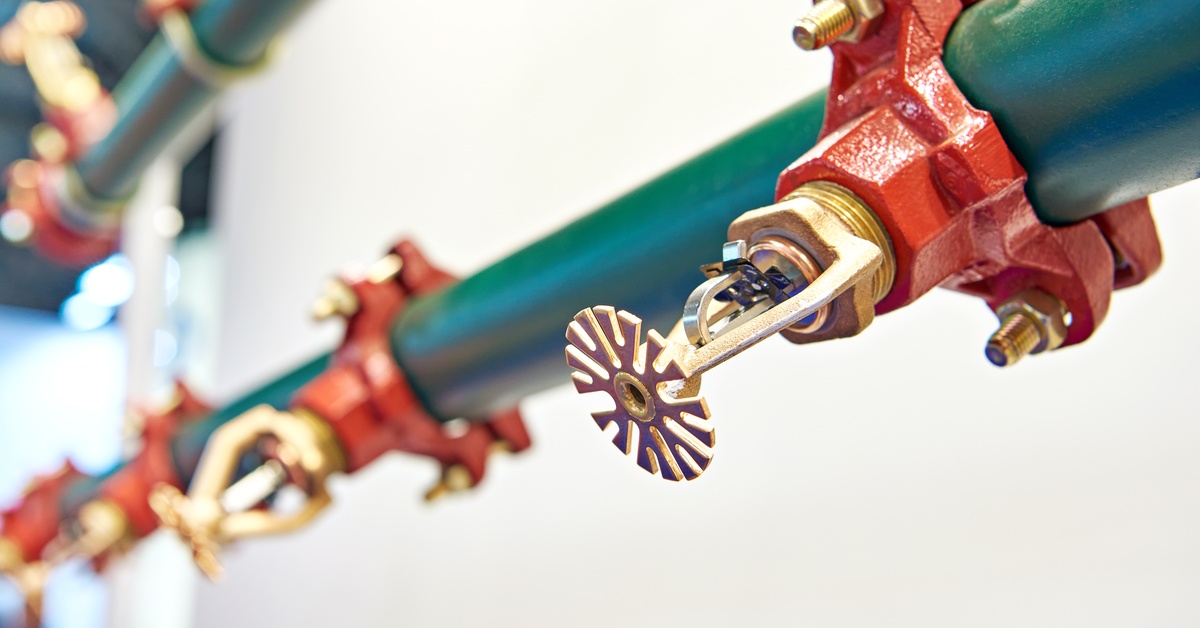
A fully functional fire sprinkler system can be a building's first line of defense against a fire, capable of controlling or extinguishing a blaze before it becomes catastrophic. For property directors and business owners managing commercial facilities in expanding markets like Chula Vista, this makes it crucial to understand how often commercial fire sprinklers should be tested. Read on to learn why and when it is essential to test these systems, so you can provide your tenants or employees with reliable protection.
Your fire sprinkler system is a complex network of pipes, heads, valves, and gauges engineered to detect and suppress fires quickly. Over time, wear and tear, corrosion, mechanical damage, or unauthorized modifications can weaken its effectiveness.
When you proactively test and inspect your system, you catch these issues before they become significant hazards. For example, a single obstructed sprinkler head or a closed valve might result in catastrophic loss if a fire occurs and the system fails to activate as intended.
Rigorous testing also keeps you compliant with local regulations and industry standards, preventing costly fines and potential legal issues that can arise from neglect. Above all, knowing that your fire sprinkler system is reliable gives you peace of mind.

Timely testing of your fire sprinkler system is essential to maintain safety and regulatory compliance. Knowing how often commercial fire sprinklers should be tested protects your investment and upholds your responsibilities as a building owner or manager.
Every three months, your fire sprinkler system requires hands-on testing. One of the most essential quarterly tasks is the alarm test. This involves activating the water flow alarm devices. The system should trigger both local and remote notifications within the required timeframe, enabling building occupants and emergency monitoring services to respond immediately to a fire.
This quarterly testing also includes conducting a main drain test to confirm the integrity of the water supply. During this test, technicians will temporarily open a valve to allow water to flow through the system at the maximum rate, then measure the time it takes for the pressure to stabilize and compare the flow rate to records.
Identifying drops or blockages as early as possible preserves system performance and ensures a prompt, powerful response in an emergency. Main drain tests can reveal hidden obstructions or issues with the municipal water supply that might not otherwise become apparent until it is too late.
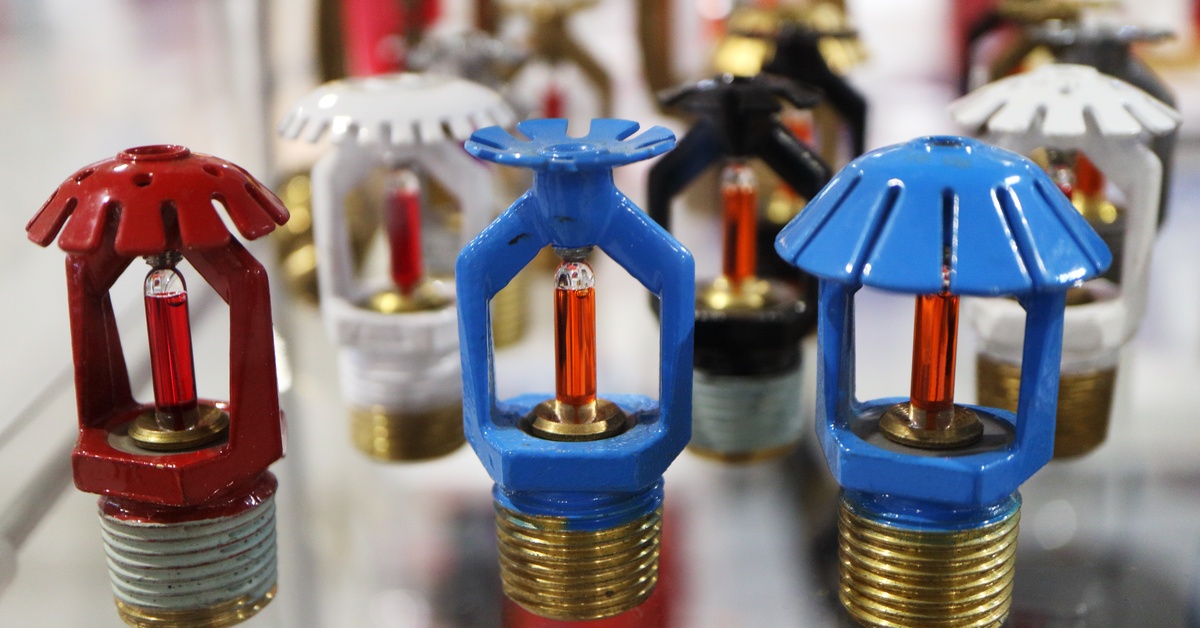
Some critical components of your fire sprinkler system require attention every six months to safeguard performance and reliability. Semi-annual testing focuses on devices such as vane-type waterflow alarms, fire department connections, and certain types of supervisory signal-initiating devices.
Ensuring these components work as intended enhances the system's responsiveness and upholds compliance with industry standards. By testing these elements at regular intervals, facility managers reduce the risk of system failure and help maintain seamless protection for building occupants and assets.
During a semi-annual test, professionals check for proper operation and possible tampering and clean and lubricate moving parts where necessary. Any defective components are identified and swiftly addressed, minimizing downtime and restoring full system readiness.
A comprehensive annual testing regimen, performed by qualified fire protection professionals, is also fundamental to confirming the operational readiness of your fire sprinkler system. Once again, technicians will perform a main drain test and check all water flow alarm devices.
Additionally, technicians operate control valves through their full range of motion to guarantee they will operate smoothly during an emergency. This hands-on testing provides tangible proof that your system can function as designed.
Every five years, fire sprinkler systems must undergo a series of intensive tests designed to assess the internal condition and functional performance of components that are not evaluated during more frequent service intervals. For enterprise directors and building managers handling regional facilities across Torrance, this crucial testing cycle focuses on verifying the system's internal integrity and its ability to manage water flow and pressure under simulated emergency conditions.
A primary component of the five-year test is the internal examination of sprinkler piping. To accomplish this, a qualified technician will strategically open a flushing connection at the end of one of the system's main lines and remove a sprinkler head from a branch line. This allows for a direct visual check for foreign materials that can accumulate.
The presence of these materials often indicates microbiologically influenced corrosion or other corrosive processes that can impede water flow or clog sprinkler heads, rendering them useless. If they find significant obstructions, your system may need a full flush to clear the piping and restore its hydraulic capabilities. Building inspectors evaluate these water-based lines according to criteria outlined in the NFPA 25 inspection and maintenance standard.
In addition to the internal pipe examination, all check valves within the system undergo a functional test to ensure they operate correctly. This involves an internal inspection of the valve to confirm all components are in good condition and can move freely. Technicians also conduct flow tests on standpipe systems to verify that they can deliver the required water flow and pressure. This test ensures that fire department personnel have a reliable water source if they need to connect their hoses to the building's standpipe.
The 10-year testing interval addresses dry pipe and pre-action systems, which are more complex than standard wet pipe systems and have components susceptible to slower degradation over time.
A key procedure during the 10-year test is the full-trip test for dry-pipe valve systems. This comprehensive test simulates sprinkler head activation by introducing a pressure drop in the system. Technicians measure the time it takes for the dry pipe valve to trip and for water to be delivered to the system's most remote point, known as the inspector's test connection.
Additionally, certain types of sprinkler heads require sample testing at specific long-term intervals, which often fall within these extended cycles. During these tests, a technician removes a sample of sprinkler heads and sends it to a certified laboratory. The lab subjects the heads to heat tests to verify that their thermal activation elements still function within the specified temperature and time-response ratings, ensuring they have not lost sensitivity over their long service life.
Now that you know how often you should test your building's commercial fire sprinklers, you can better guarantee that your property will be prepared to protect tenants or employees in the case of a fire emergency. To see how these structured testing intervals prepare your facility for local enforcement walkthroughs, read our helpful overview on what to expect during a fire inspection. Make sure you are proactive in these efforts; the lives of others may depend on it.
When testing your life safety systems, you deserve the attention and expertise of a team you can trust. At Hedrick Fire Protection, our fire equipment servicing relies on decades of experience, comprehensive knowledge, and a commitment to keeping people safe.