
.png)
September 2026 California Fire Safety News: What Businesses Need to Know
October 2, 2026
October 2, 2026
September was another active month for fire safety across California. From thousands of acres burned in wildfires to Red Flag Warnings and commercial structure fires, recent events are a reminder that fire preparedness remains critical as California moves into fall.
For business owners, property managers, restaurants, warehouses, apartment complexes, and other commercial facilities, these stories aren't just headlines. They offer important lessons about protecting buildings, maintaining commercial fire protection systems, and preparing before an emergency occurs.
Here are some of the biggest California fire safety stories from September 2026 and what businesses should know.
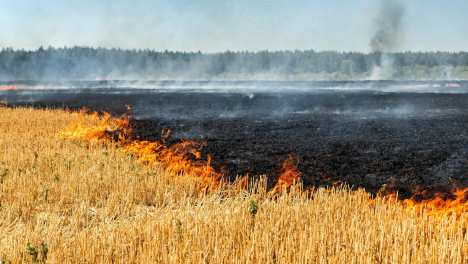
Wildfire season remained active throughout September.
According to CAL FIRE's incident reporting, September fires affected counties throughout the state. The Dome Fire in Mariposa County, which began September 15, grew to thousands of acres. Other September incidents included the Gibby Fire in Orange County, Floriston Fire in Nevada County, Chileno Fire in Marin County, and additional fires across Los Angeles, Riverside, Napa, San Bernardino, and other counties.
CAL FIRE's September outlook also warned of periods of elevated fire potential in portions of California due to factors including warm inland temperatures, dry fuels, and changing weather conditions.
For commercial property owners, wildfire preparation shouldn't be limited to watching evacuation alerts. Businesses near vegetation, hillsides, and open land should consider how surrounding fuel, exterior combustible materials, and their building's internal fire protection systems work together.
Hedrick Fire Protection California recently covered this topic in our guide to defensible space for California commercial properties.
Defensible space is one layer of protection. Properly maintained fire sprinklers, fire alarms, extinguishers, and suppression systems are another.
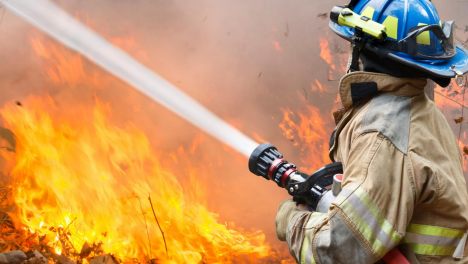
California officials also took preventative action in September as dangerous fire weather affected portions of the state.
On September 11, the California Governor's Office of Emergency Services announced that firefighting resources were being prepositioned in Plumas, Tehama, Sierra, Colusa, Shasta, Glenn, Mono, and Lake counties ahead of Red Flag Warnings.
Beginning September 12, the state planned to deploy 31 fire engines, nine water tenders, one helicopter, one bulldozer, and approximately 100 personnel to strengthen local response capabilities.
The strategy provides a useful lesson for businesses: preparation works best before an emergency begins.
Businesses shouldn't wait for a fire alarm, failed inspection, or nearby wildfire before determining whether their fire protection systems are operational.
Consider scheduling regular fire sprinkler inspections to identify problems such as corrosion, blockages, damaged components, or mechanical issues before they affect system performance.
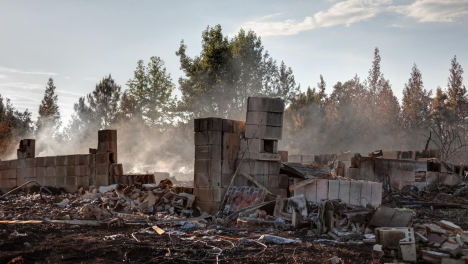
Wildfires weren't the only fire threat California communities faced in September.
On September 8, firefighters responded to a commercial fire in the 1000 block of Grant Road in Mountain View after a caller reported flames near a commercial building.
According to the City of Mountain View, firefighters discovered flames in and around an enclosure containing three electrical transformers and the main electrical switchgear serving portions of the shopping center.
Crews prevented the fire from spreading into the businesses or a nearby apartment building. No injuries were reported, but the incident caused an electrical outage affecting approximately 400 customers. Estimated damage was approximately $100,000, and the cause remained under investigation at the time of the city's report.
For California businesses, the incident is an important reminder that fire hazards aren't limited to kitchens or open flames. Electrical equipment, storage areas, mechanical systems, landscaping, and exterior equipment can all contribute to fire risk.

September's fire activity provides an opportunity for California businesses to review their own properties.
Start with your portable fire extinguishers. They should be visible, accessible, properly mounted, and appropriate for the hazards within the facility. Employees should avoid placing boxes, furniture, inventory, or other equipment in front of extinguishers.
Businesses needing new equipment can browse Pro Fire & Safety's ABC fire extinguisher selection. ABC dry chemical extinguishers are designed for common Class A, B, and C hazards and are widely used in commercial and industrial environments.
For larger commercial or industrial environments, the 10 lb. Buckeye 11340 ABC Dry Chemical Fire Extinguisher provides a 4-A:80-B rating and is designed for higher-demand commercial applications.
Fire extinguishers are only one component of a complete fire protection plan. California businesses may also rely on fire sprinkler systems, alarms, kitchen suppression systems, backflow devices, hydrants, and other equipment depending on the facility.
Explore Hedrick Fire Protection California's commercial fire protection services to learn more.

How often should commercial fire extinguishers be inspected?
Portable extinguishers should receive regular visual inspections and periodic professional maintenance. Businesses should make sure extinguishers remain accessible, properly pressurized, undamaged, and appropriate for the hazards present. Specific inspection and maintenance requirements depend on the equipment and applicable codes.
What type of fire extinguisher does a California business need?
That depends on the hazards within the facility. ABC dry chemical extinguishers are commonly used for ordinary combustibles, flammable liquids, and energized electrical equipment. Commercial kitchens typically require equipment designed for cooking-oil and grease hazards, including Class K extinguishers and appropriate kitchen suppression systems.
Do California commercial properties need defensible space?
Some commercial properties may be subject to California defensible-space requirements depending on their location and applicable state and local requirements. Properties near dry vegetation, hillsides, or open land should determine which rules apply to their facility. Read our complete California commercial defensible space guide for more information.
Why are fire sprinkler inspections important?
Fire sprinkler inspections can help identify issues such as corrosion, blockages, damaged components, or mechanical failures that could affect the system's operation. Routine inspections also help businesses identify deficiencies before they become larger compliance or safety problems.
Does my restaurant need a special fire suppression system?
Commercial kitchens with cooking equipment can require specialized suppression systems designed for kitchen fire hazards. Hedrick Fire Protection California provides installation, repair, upgrades, and maintenance for UL 300-compliant restaurant fire suppression systems.
Where can California businesses schedule fire protection service?
Hedrick Fire Protection California provides commercial fire protection services including fire extinguisher service, fire sprinkler inspections and maintenance, fire alarm testing, restaurant fire suppression, backflow testing, hydrant service, and cylinder testing.
September's California fire news reinforces an important lesson: fire preparedness should happen before the emergency.
Wildfires can threaten properties from outside, while electrical failures, cooking equipment, combustible materials, and other hazards can create fire risks from within.
As California moves into fall, business owners and property managers should review their fire extinguishers, sprinkler systems, alarms, suppression systems, evacuation procedures, and exterior property conditions.
Don't wait for a failed inspection or emergency to discover a problem. Visit Hedrick Fire Protection California or explore our commercial fire protection services to make sure your facility is prepared and your fire protection equipment is ready when it matters most.