Do Commercial Properties Need Defensible Space in California? What Business Owners Need to Know
8/27/2026
8/27/2026
You manage a commercial property in California. Maybe it's a hotel near open space, an apartment complex bordering a hillside, a warehouse surrounded by dry grass, or a restaurant with landscaped areas around the building.
Your maintenance team keeps the property looking clean. The grass gets cut. The shrubs are trimmed. Dead leaves get blown away when they start piling up.
So, you're covered.
Not necessarily.
Click here to contact the Fire Protection Team at Hedrick Fire Protection California to discuss your facility's fire protection needs today.
https://www.hedrickfireprotection.com/
Defensible space is not the same thing as basic landscaping. In areas where California's wildfire and defensible-space requirements apply, the way vegetation, combustible materials, trees, and other fuel sources are managed around your building can directly affect your property's wildfire exposure and compliance responsibilities. California law can require 100 feet of defensible space around qualifying structures, subject to property lines and other applicable requirements.
Before you assume your commercial property is protected because the landscaping looks maintained, here's what you need to know about commercial defensible space in California.
Zoomed in pin of California on a map
What to Do Right Now
Check out our services: https://www.hedrickfireprotection.com/services
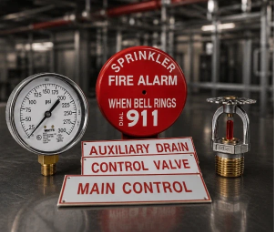
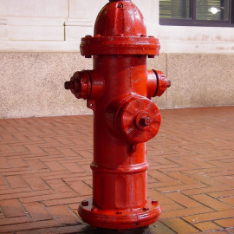
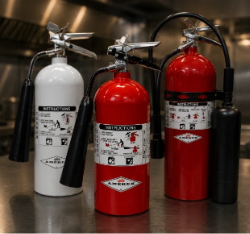
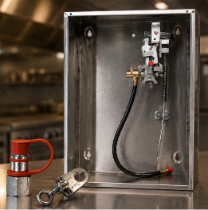
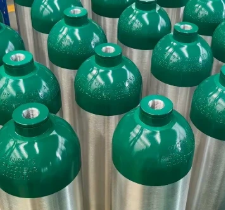
Fire Sprinklers: Fire sprinkler alarm, valve, and signs https://cdn.shopify.com/s/files/1/0672/5605/8021/files/Fire_Sprinkler_Service_23224eb9-a0cd-4ac0-9080-8865768b2a23.webp?v=1787002209
Fire Hydrants: red fire hydrant in the street https://cdn.shopify.com/s/files/1/0672/5605/8021/files/Fire_Hydrant_Service_fb55fdd4-0db0-4799-9096-649ad66ad3f3.webp?v=1787069902
Fire Extinguishers: three fire extinguishers in a kitchen https://cdn.shopify.com/s/files/1/0672/5605/8021/files/Fire_Extinguishers_Service_9cb66c2e-f174-4961-a6ca-689baa0cb1f6.webp?v=1787002342
Restaurant Fire Systems: Restaurant fire system equipment like fusible links https://cdn.shopify.com/s/files/1/0672/5605/8021/files/Ul_300_Restaurant_Service_1.webp?v=1787002637
Cylinder Testing: Cylinder Testing containers https://cdn.shopify.com/s/files/1/0672/5605/8021/files/Cylinder_Testing_Service_80dc77ee-3d7b-4f6d-8a14-9191ca3a19e1.webp?v=1787069974
Backflows: blue fire safety backflow system behind a building https://cdn.shopify.com/s/files/1/0672/5605/8021/files/Backflow_Service_f0cf813d-fece-43dd-84a1-2583814678c1.webp?v=1787070004
Fire Alarms: Someone pulling down a fire alarm, signifying there is a fire https://cdn.shopify.com/s/files/1/0672/5605/8021/files/Fire_Alarm_Service_a91cccbd-5d70-4007-984f-ba3c032b1745.webp?v=1787002225
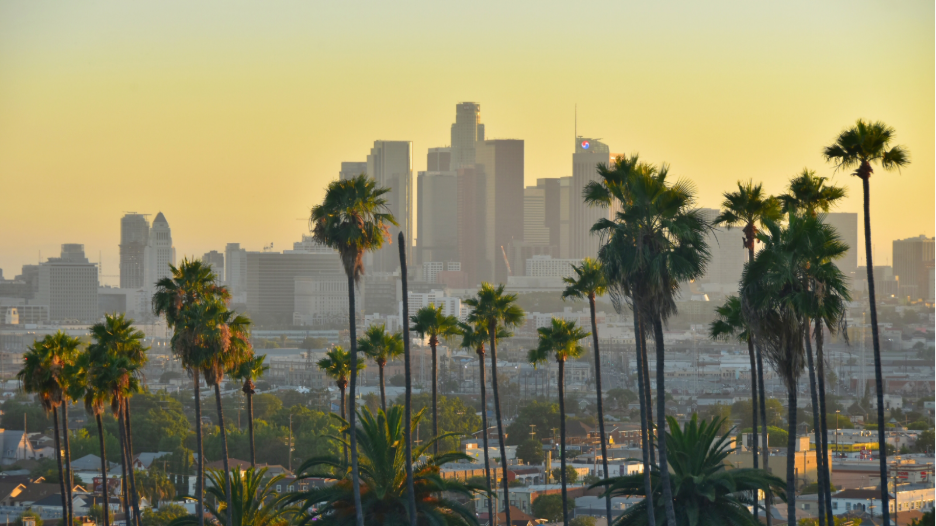
Smoky California cityscape with palm trees
The Biggest Misconception: “Defensible Space Is for Houses, Not Businesses”
Many commercial property owners hear the phrase “defensible space” and immediately picture a single-family home in the hills.
That assumption can create a problem.
California's Public Resources Code Section 4291 applies to a person who owns, leases, controls, operates, or maintains a building or structure in a State Responsibility Area, requiring defensible space around the structure. California's fire-safety standards also address residential, commercial, and industrial building construction in applicable State Responsibility Areas and designated Very High Fire Hazard Severity Zones.
In other words, wildfire exposure is not determined by whether your building has a front porch.
A hotel can be exposed. An apartment complex can be exposed. A warehouse can be exposed. An industrial facility can be exposed.
If your property sits next to dry grass, brush, trees, open land, or other combustible vegetation, the question is not whether the landscaping looks nice.
The question is whether the area around the structure gives fire a path to reach it.
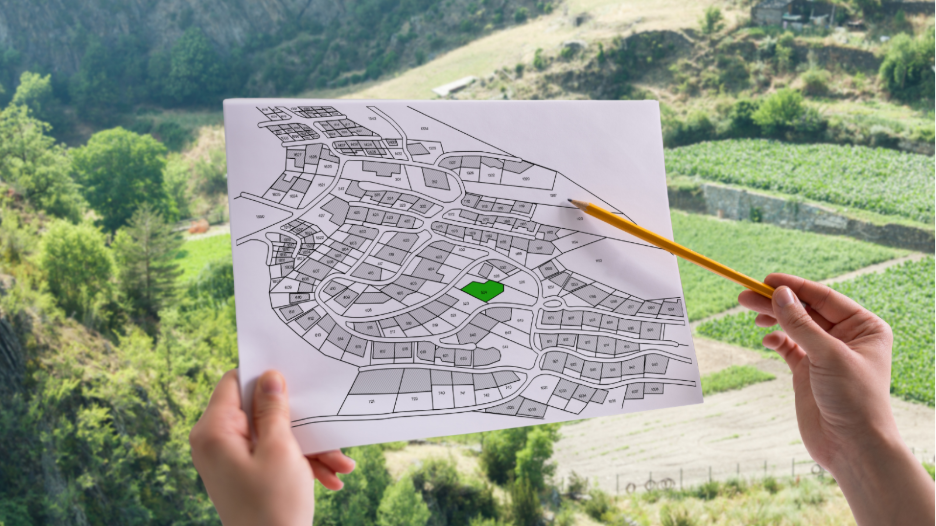
Map of business land with boundaries and designated spaces
The 100-Foot Problem
Most property owners know the phrase “100 feet of defensible space,” but it is easy to misunderstand what that actually means.
The requirement is not necessarily 100 feet of completely bare dirt surrounding your building. California's rules focus on managing and spacing fuels so that wildfire is less likely to ignite the structure, with the required distance generally measured around the building but not automatically extending beyond the property line. The amount and type of fuel modification can depend on the structure, location, vegetation, and applicable requirements.
That distinction matters for commercial properties.
You may have landscaped islands, decorative shrubs, mature trees, parking areas, storage zones, propane equipment, loading areas, or other features surrounding the building. Each one can affect how fire moves across the property.
The goal is not to make your property look empty.
The goal is to interrupt the fuel.
Fire Exit sign
Zone 1: The Fire Path Closest to Your Building
The area extending outward from the structure requires more than occasional mowing.
California's current defensible space guidance describes Zone 1 as extending from the ember-resistant area closest to the structure out to 30 feet, or to the property line if it is closer. Dead vegetation and debris should be removed, vegetation should be maintained to reduce fire spread, and combustible materials should not create an easy path for flames to reach the building.
For a commercial property, this can include things people stop noticing because they have been there for years: stored pallets, decorative bark, dry planters, vegetation underneath stairs, combustible materials next to an exterior wall, or landscaping that has gradually grown into one continuous fuel source.
A clean-looking property can still have a direct path for fire.
Zone 2: “It's Far Enough Away” Is Not a Strategy
The outer defensible space area generally extends from 30 feet to 100 feet from the structure, or to the property line when it is closer. The purpose is to reduce the amount and continuity of fuel, so an approaching wildfire has less opportunity to build intensity as it reaches the building. CAL FIRE's guidance includes maintaining vegetation, removing dead material, and creating appropriate spacing between trees and shrubs.
Many business owners make the same mistake here: they focus entirely on what touches the building.
But wildfire does not need to start against the exterior wall.
Dry grass can carry flames. Shrubs can connect to larger vegetation. Trees and brush can create a continuous fuel path. The fire gains energy before it ever reaches the structure.
By the time it reaches your building, the landscaping decision you ignored fifty feet away has become a building-protection problem.

Detailed dry grass
The First Five Feet Are Under Increased Scrutiny
California is continuing to work on regulations for an ember-resistant area commonly referred to as Zone 0, covering the first five feet around a structure. The Board of Forestry and Fire Protection has continued Zone 0 rulemaking activity in 2026, and the purpose of the zone is to reduce the opportunity for embers and nearby combustible materials to ignite the structure.
For commercial property owners, this is a good reminder not to treat the first few feet around the building as leftover storage space.
Combustible landscaping, accumulated debris, stored materials, and other fuel sources closest to the structure deserve special attention.
This is where an ember can become a building fire.
LIABILITY WARNING: California's defensible space requirements can apply to people and entities that own, lease, control, operate, or maintain qualifying structures, and local jurisdictions may enforce stricter requirements. A commercial property that ignores applicable wildfire mitigation requirements can face enforcement action, increased exposure to property loss, and serious liability after a fire. Do not assume your regular landscaping contract is the same thing as a defensible space compliance plan.
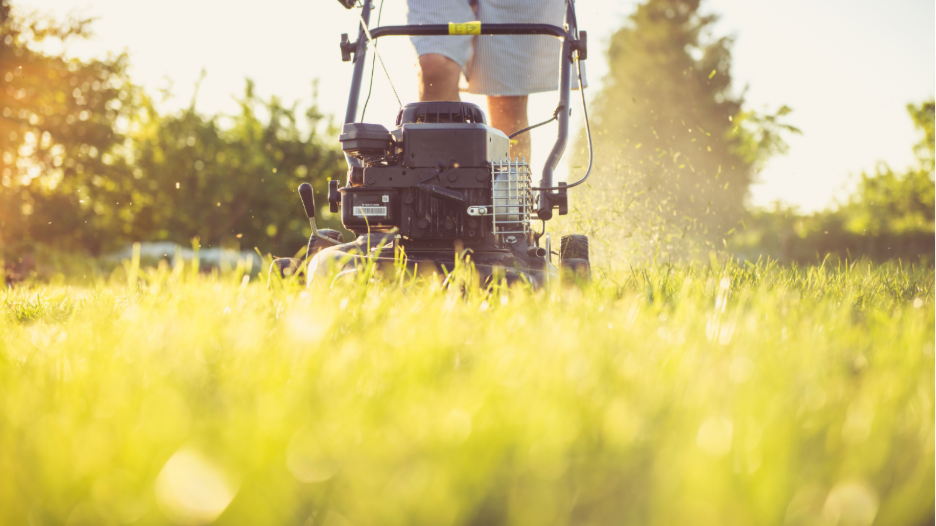
Bugs eye view of grass being mowed
Building a Better Wildfire Defense Around Your Property
Commercial defensible space is not something you solve by sending someone outside with a mower once every summer.
The right approach starts with understanding the property itself: where the building sits, what vegetation surrounds it, where combustible materials are stored, how fire could approach the structure, and which state and local requirements apply.
When you work with the Hedrick Fire Protection California team, we can help you look at the broader fire-protection picture for your commercial facility and identify the systems and fire-safety concerns that should not be ignored.
That can include:
Defensible space is one layer of wildfire protection.
Your building's fire protection systems are another.
You need both working in your favor.
Is your commercial property surrounded by vegetation, open land, dry grass, or other wildfire fuel? Do not wait until fire season—or a failed inspection—to find out whether your property has a preventable vulnerability.
Click here to contact the Commercial Fire Protection Team at Hedrick Fire Protection California to discuss your facility's fire protection needs today.
https://www.hedrickfireprotection.com/