
.webp)
Kitchen Hood Duct Cleaning Frequency Requirements
7/13/2026
7/13/2026
Commercial kitchens move heat and grease through exhaust systems every time staff members cook, fry, grill, or broil food for customers. That daily activity can leave grease inside places that employees do not see during normal closing routines, even when the visible kitchen looks clean.
For example, your kitchen’s hood ducts can collect this grease and present risks to your staff members and customers. Read on to learn about the cleaning frequency requirements so you can keep people safe.
One question you may ask is, “Why is it so important for me to clean the hoods?” When kitchen teams ignore those deposits, the system cancarry hazards far beyond the cooking line.

Grease creates one of the most serious hazards inside a commercial cooking environment because it can ignite when heat, flame, or sparks reach the wrong surface. The hood, ductwork, and exhaust fan can all collect residue that gives fire a path to travel beyond the appliance area. Asmall flare-up near cooking equipment can turn into a wider emergency whengrease inside the exhaust system feeds the flames.
Routine duct hood cleaning removes fuel before it reaches dangerous levels inside the system. Although your kitchen staff members maywipe down visible surfaces every day, those tasks do not address the greasehidden behind filters, inside ducts, or near rooftop fans. By performing the appropriate cleaning, you can remove buildup.
A kitchen exhaust system needs open airflow to pull smoke, steam, odors, and grease vapors away from cooking equipment. Heavy residue can restrict that airflow and force the system to work harder during service. Poor ventilation can make the kitchen hotter and less comfortable for cooks who need to stay focused during rush periods.
Cleaner duct hoods help air move through the exhaust path with less resistance. That matters because commercial kitchens already place heavy demands on ventilation during lunch, dinner, catering, or late-nightservice. When the system moves air more effectively, staff members can work in a kitchen that handles cooking byproducts with fewer problems.
Fire marshals, insurance representatives, and other authorities may review your kitchen exhaust cleaning records during inspections or after an incident. Owners who keep current service records can show thatthey take exhaust system maintenance seriously.
Cleaning records also help restaurant leaders track service history instead of relying on memory or guesswork. A written record can includethe cleaning date, system areas addressed, and any problems noticed. Those details help owners plan the next cleaning interval and respond faster when atechnician finds grease or worn components.
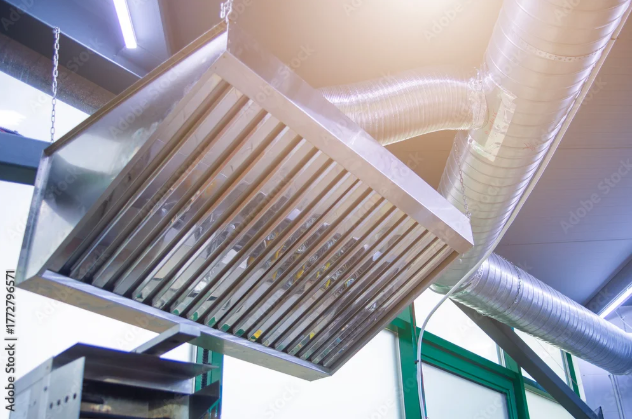
Now we can look at kitchen hood duct cleaning frequencyrequirements. The National Fire Protection Association’s NFPA 96 Standard linkscleaning needs to the kind of operation your restaurant has and the amount of grease your kitchen creates. Restaurant owners should treat these intervals asa baseline.
Kitchens that use solid fuel need monthly cleaning becausewood, charcoal, and similar fuels create heavy byproducts in addition to grease. These operations can include wood-fired ovens and other appliances thatsend smoke and residue through the exhaust path. The added fuel load makesmonthly attention important because the system can accumulate combustible material at a faster pace.
Operators should not assume that a low number of menu itemsreduces the need for monthly cleaning when solid fuel remains part of daily cooking. Even a focused concept, such as a wood-fired pizza shop or barbecuerestaurant, can create enough residue to justify tighter service intervals. Monthly cleaning helps keep the exhaust path from turning into a hidden storagearea for grease and soot.
High-volume cooking operations need quarterly cleanings because they produce heavy grease loads through long hours or grease-heavycooking methods. Examples can include 24-hour restaurants and busy kitchensthat run fryers for long periods. These kitchens push more vapors into the hoodsystem than a lower-volume facility, which means grease can accumulate faster between visits.
Quarterly cleaning gives these operations a more realisticschedule for the amount of cooking they perform. A busy restaurant may look at a six-month interval and think it sounds convenient, but the exhaust system maynot support that timeline safely. When volume remains high, shorter intervalshelp crews remove grease before it hardens or affects performance.
Moderate-volume kitchens commonly follow a semiannual schedule under NFPA 96 guidance. This category can include manysit-down restaurants and food service operations with regular daily activitythat does not reach high-volume conditions. These kitchens still producegrease, smoke, and vapors, but the buildup may develop at a slower pace than itdoes in constant or high-heat operations.
A semiannual schedule works best when the kitchen’s cookingstyle, menu, and operating hours support that classification. Owners shouldrevisit the schedule when they add fryers or increase catering production. A kitchen that grows busier can outgrow its old cleaning interval before anyonenotices visible warning signs.
Low-volume commercial kitchens may qualify for annualcleaning when they produce limited grease and operate on a lighter schedule. This category can include some churches, seasonal facilities, senior centers,day camps, or concession areas with limited cooking activity. These kitchens still need documented inspection and cleaning attention because a lower volumedoes not remove the fire hazard entirely.
Annual cleaning should not become an excuse to ignore the system between service visits. Staff members should watch for grease aroundfilters, unusual smoke movement, or airflow problems that suggest the exhaustpath needs attention sooner. When an inspection finds contamination, qualified technicians should clean the affected areas before the next scheduled datearrives.
Kitchen hood duct cleaning frequency depends on cooking volume, fuel type, and the amount of grease the system collects betweeninspections. Owners who follow NFPA 96 guidance can reduce fire hazards,support ventilation, and keep better records for inspections and insurance needs.
Upgrading your kitchen and making it UL 300 compliant canalso help. Contact Hedrick Fire Protection today to learn more about how we can help you achieve that goal with our restaurant fire protection services. Our associates are ready to assist you in making your kitchen safer and ready for inspection.