
.webp)
Fire Extinguisher Mounting Heights for ADA Compliance
7/12/2026
7/12/2026
Fire extinguishers play an important role in workplace fire safety, but building owners and facility managers must also consider accessibility when installing them. The mounting height of this equipment can affect how easily occupants access it during a critical situation.
Organizations that overlook these considerations may create barriers that impact employees, visitors, and even the safety levels of their facilities. This makes it critical to understand proper fire extinguisher mounting heights for ADA compliance.
The Americans with Disabilities Act, commonly called the ADA, became law in 1990 to prevent discrimination against people with disabilities. he law addresses many aspects of public life, including employment, transportation, telecommunications, and access to public accommodations. It also influences how organizations construct and maintain commercial facilities.
The ADA seeks to remove barriers that limit access for people with physical, sensory, or cognitive disabilities. It requires building owners to consider how people move through facilities and interact with equipment and building features. These requirements affect everything from door widths and ramps to emergency equipment placement.
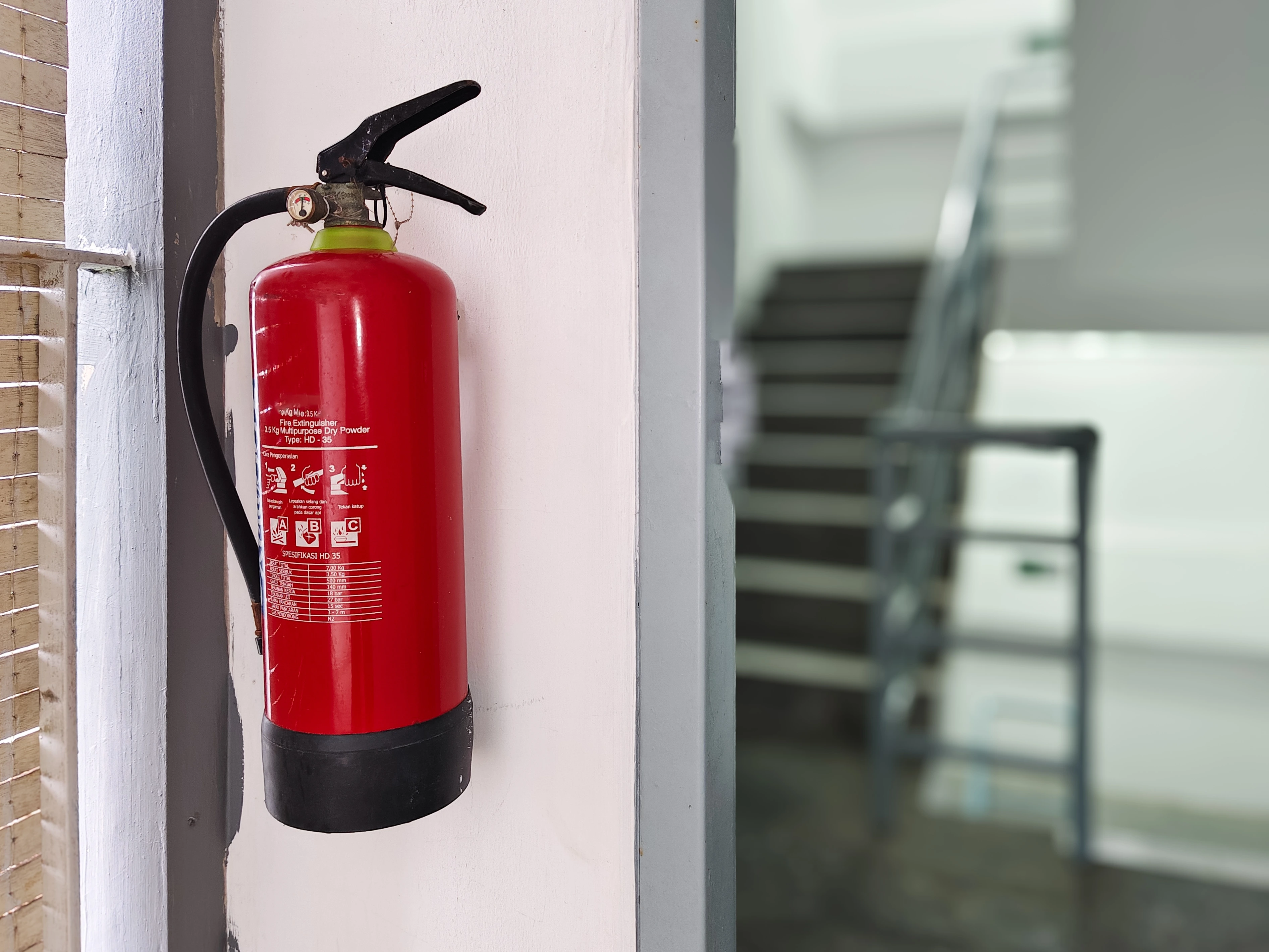
Now, let’s examine the fire extinguisher mounting heights for ADA compliance. Building owners and facility managers should understand how these apply to standalone extinguishers and extinguisher cabinets.
When attaching a fire extinguisher to your wall, it is important to pay attention to its top and bottom. Usually, the highest point of the extinguisher should not sit more than four feet above your floor.
However, if you place it in an obstructed area, you must hang it 44 inches above the floor. But under both circumstances, the distance between the extinguisher’s bottom and the floor cannot be under 15 inches.
These heights allow building occupants to reach and remove the extinguisher when needed. Make sure to double-check these measurements after you have mounted the unit to ensure you are compliant with ADA rules.
The ADA also has rules regarding fire extinguishers inside cabinets. In this case, the same mounting height rules that apply to the extinguisher would apply to the cabinet, whether in a regular or obstructed area.
But building owners and facility managers should also account for ADA accessibility requirements related to handles, latches, and cabinet openings. Take great care to ensure that employees or tenants can easily open them, without discomfort.
It’s also quite important to ensure that the cabinets do not extend over four inches from the wall. Otherwise, they may cause accidents that stop people from heading to safety.

Some may wonder, “What happens if I decide not to comply with the ADA’s regulations?” This choice may lead to challenges that extend beyond accessibility concerns.
Government agencies can investigate complaints related to ADA violations. If investigators identify accessibility issues, organizations may need to correct violations and address enforcement actions. Legal proceedings can create expenses that exceed the cost of compliance.
Business owners may also face lawsuits from individuals who encounter accessibility barriers. Litigation can require substantial time and financial resources. Even a single complaint can disrupt an organization.
Accessibility issues can create additional liability concerns during emergencies. If occupants cannot access emergency equipment because of improper placement, investigators may examine whether compliance failures contributed to the situation. These findings can affect legal outcomes following an incident.
Facility managers should recognize that emergency equipment serves people with varying physical abilities. Accessible placement supports safer emergency response throughout the building. Thoughtful installation can reduce avoidable risks.
Organizations that ignore ADA requirements may need to modify installations later. Retrofitting equipment locations can increase labor costs and create operational disruptions. Projects become more expensive when organizations postpone compliance.
Building owners may also need to conduct broader accessibility reviews after discovering violations. These reviews can uncover additional issues that require correction. Early compliance helps organizations avoid these unnecessary expenses.
Accessibility concerns can affect how people view an organization. They usually expect businesses to provide environments that accommodate a wide range of users. Visible accessibility issues can create negative impressions.
Reputation influences customer relationships and business opportunities. Organizations that demonstrate commitment to accessibility can build greater trust within their communities. Compliance supports both operational and public relations goals.
Mounting height represents only one aspect of ADA compliance for fire extinguishers. Business owners and facility managers should also be aware of several additional requirements that affect accessibility throughout a facility.
People must be able to approach fire extinguishers without encountering obstacles. Furniture, storage materials, equipment, and temporary displays should not block access routes. Occupants need a direct path to emergency equipment.
Facility managers should inspect extinguisher locations regularly to identify new obstructions. Workplace layouts can change over time as operations evolve. Routine reviews help maintain accessibility throughout the year.
Occupants should be able to locate fire extinguishers quickly during emergencies. Visible signage helps people identify extinguisher locations from a distance. Effective signage supports accessibility and emergency preparedness.
Facility managers should position signs where occupants can see them without obstruction. Lighting conditions and building layouts can influence visibility. Regular inspections help confirm that signs remain easy to identify.
People may need to operate a fire extinguisher quickly during an emergency, so instructions must be legible. Labels and operating directions should stay visible after you have mounted the extinguisher in its designated location. Readable instructions can help occupants understand how to use the equipment when every second matters.
Facility managers should inspect extinguishers regularly to confirm that labels remain intact and legible. Damaged, faded, or obstructed instructions can make emergency responses more difficult. Maintaining visible operating directions supports accessibility and preparedness throughout the facility.
Accessibility reflects an organization's commitment to creating a facility that serves everyone who enters the building. Taking time to evaluate fire extinguisher placement can help prevent avoidable barriers while supporting a more inclusive environment for employees and visitors.
After properly hanging fire extinguishers in your facility, you may need to provide your staff with training on their use or have them serviced. Hedrick Fire Protection can help. Contact us today to learn more about our various fire extinguisher services in Los Angeles.