
.webp)
Dry vs. Wet Pipe Systems for Different Building Types
7/14/2026
7/14/2026
When you need to add a sprinkler system to a facility, you must pick one that matches the conditions inside your property. For example, a system that fits a heated office may not fit a cold storage room or a section of a warehouse with unheated space.
Your choice can also affect inspection needs and how quickly water reaches a fire after a sprinkler activates. Read on to learn about dry and wet pipe systems and which different building types use them.
If you think a dry pipe system has water in its pipes, you are mistaken. Instead, the pipes carry pressurized air and release it first. Afterward, the system lets water pass through. This design keeps water out of areas where pipes could freeze, making it useful in spaces that experience low temperatures.
Dry pipe systems need careful design and testing because they include more moving parts than a basic wet pipe layout. The valve, air supply, drains, and pipe slope all affect how the system performs when water enters the lines. A qualified fire sprinkler contractor can review those details and help building teams address issues such as corrosion and trappedwater before they compromise protection.
In contrast, a wet pipe sprinkler system keeps water inside the piping. This allows the system to discharge the water soon after heat activates a sprinkler head. The system does not wait for air to leave the lines, providing a simple operating sequence for many heated buildings. Thisdirect layout makes wet pipe systems a common choice for occupied spaces with reliable temperature control.
Wet pipe systems still require routine inspection and testing because their components need attention. A building team should watch for leaks and other symptoms that could affect sprinkler coverage. Fire sprinkler contractors can test systems, repair damaged components, and help owners keep documentation current to meet compliance requirements.
After reviewing dry and wet pipe systems, we can now explore the different building types that use them. As mentioned before, dry systems help protect buildings or building areas where water-filledpipes could freeze during normal conditions.
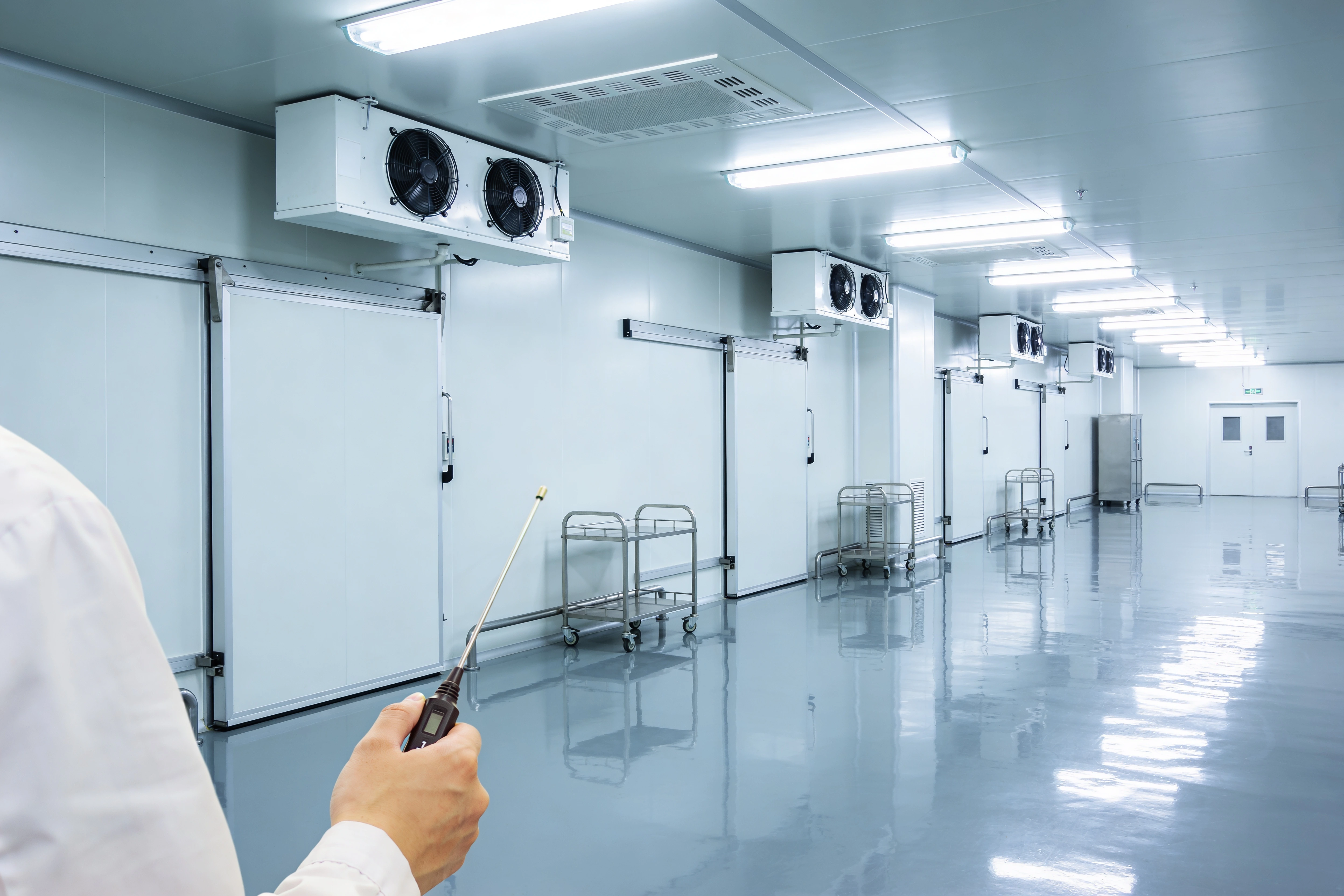
One example of those structures is a cold storage facility, where temperatures remain low by design. A wet pipe system in those areas could face frozen water and ruptured lines during routine operation. A dry pipesystem keeps water out of the piping until a sprinkler activates, which makes it a better fit for freezer rooms and similar refrigerated spaces.
Cold storage facilities may include food storage and pharmaceutical storage environments. The sprinkler design must account for the hazard, ceiling height, storage arrangement, and temperature exposure in each space. A contractor can help evaluate those conditions so the selected system matches both fire protection needs and building operations.
Another environment well-suited for a dry pipe system is an unheated warehouse. This type of facility can expose sprinkler piping to cold air. However, a dry pipe system can reduce freeze concerns in these areas because the piping does not remain full of water during normal conditions.
This approach can work well when a warehouse stores materials in spaces that do not receive heat year-round. However, dry pipe systems may need more attention than wet ones during testing because waterdelivery time, drainage, and air pressure all affect performance.
If you own a parking garage, sprinklers can experience exposure to outdoor air, wind, and winter temperature swings. Because these spaces may not have full heating, a dry pipe system can provide necessary protection without keeping water in exposed piping. This matters in opengarages, partially enclosed garages, and garage levels under mixed-usebuildings.
Garage conditions also pose maintenance concerns, as vehicle impacts, corrosion, and moisture can damage components over time. Building teams should inspect visible piping and sprinkler heads while contractors handle repairs and code-related service. This shared attention helps the systemstay ready for vehicle fires and other garage hazards.
Now, let’s look at wet pipe systems, which are suitable for buildings that maintain temperatures high enough to prevent sprinkler piping from freezing. They also work well for occupied spaces where a simpler system layout and fast water discharge support routine fire protection goals.
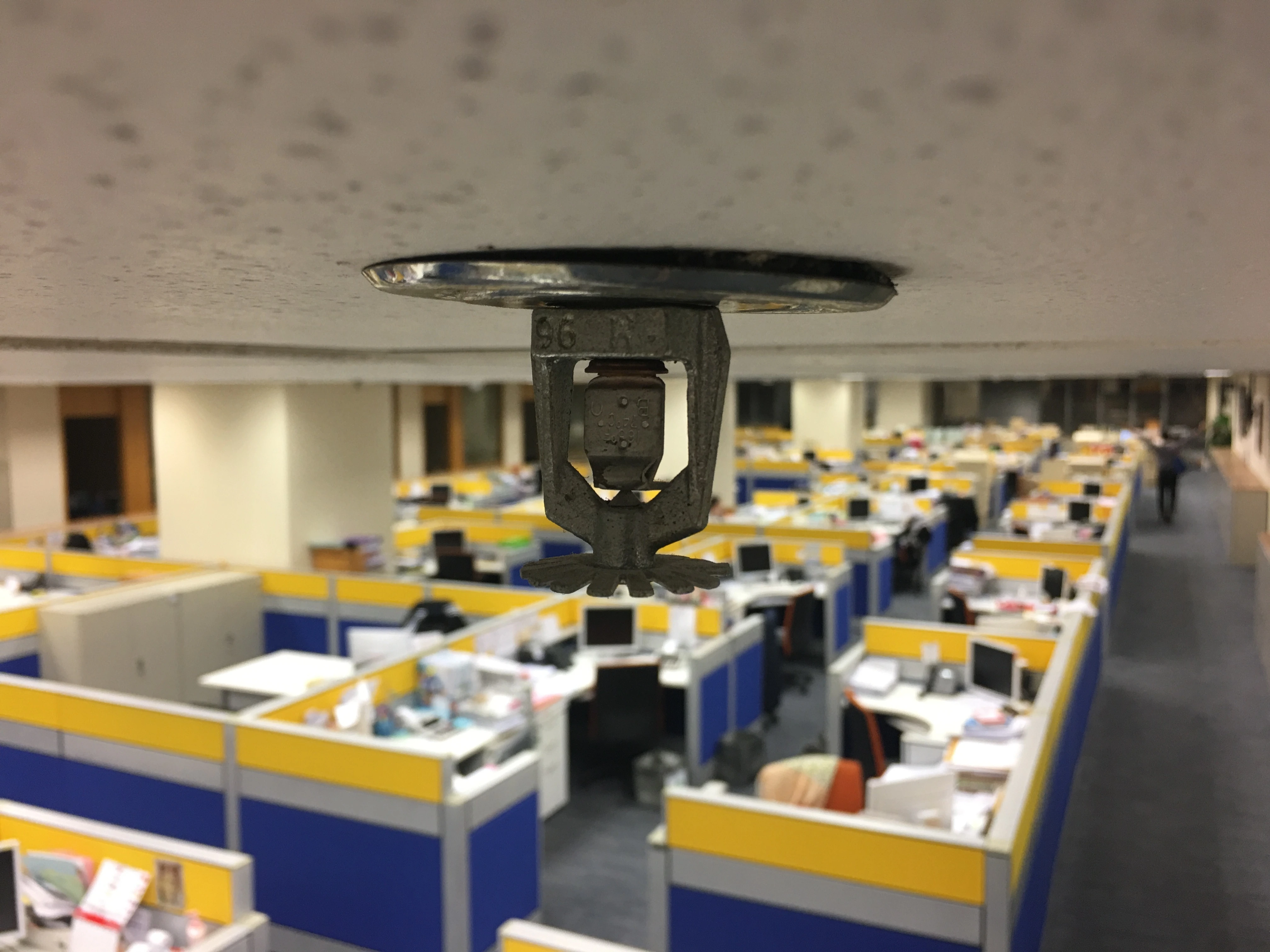
Office buildings with reliable heat can benefit from wet pipe systems because the piping can remain filled with water without concern about freezing. These buildings have occupied rooms, shared corridors, storage closets, and equipment areas that need dependable sprinkler coverage. A wetpipe system gives many office properties a practical option because it uses a direct operating sequence.
Facility managers should still track changes, such as renovations or additional storage, because those updates can affect sprinkler performance. A room that changes from open office space to storage may need anew review of the sprinkler layout.
If you own a store and need sprinklers, it’s best to go with a wet pipe system. In heated retail buildings, they can provide reliablecoverage without the added air supply and valve arrangement found in dry pipe systems. This simplicity helps owners focus on inspection access and protectionaround changing displays.
Retail environments can change quickly as shelves move or storage areas fill with boxes. These changes can block sprinkler heads orcreate conditions that differ from the original design. You can hire acontractor to correct these obstructions and keep the sprinkler system aligned with how the building functions.
Apartment and multi-family buildings contain living units, corridors, utility rooms, and shared amenities that need dependable sprinkler coverage. In conditioned portions of these buildings, wet pipe systems canoffer a practical fit because water remains ready in the lines. This approach supports life safety goals in places where occupants may sleep or use sharedspaces at different times of day.
Property managers should pay close attention to tenant improvements and maintenance work because those issues can also affectsprinkler coverage. A blocked sprinkler head or a damaged escutcheon may seemminor, but it can compromise protection during a fire.
A sprinkler system should support how a building operates, not create additional concerns. When the system fits the space, teams can planinspections and respond to building changes with greater confidence. That kindof planning can also help reduce avoidable service issues before they disrupt daily operations.
For help scheduling service or updating your systems, contact Hedrick Fire Protection. We can help building owners and facility managers ensure their sprinkler systems are ready to perform in the face of an emergency.