
.webp)
What Is Zone 0? Understanding California’s Highest-Risk Hazardous Locations
9/8/2026
9/8/2026
When it comes to fire and explosion protection, not every area of a facility carries the same level of risk.
Businesses that work with flammable gases, vapors, or liquids may have areas classified as hazardous locations. These classifications help determine the type of equipment, electrical systems, and safety measures that may be necessary to reduce the risk of ignition.
California industry fact: California averaged approximately 1.22 million manufacturing jobs in 2025, highlighting the enormous scale of industrial and manufacturing activity throughout the state.
One of the highest-risk classifications is Class I, Zone 0.
But what exactly does Zone 0 mean, and why does it matter for your facility?
Check out our services: Hedrick Fire Protection Services - CA
What Is a Zone 0 Location?
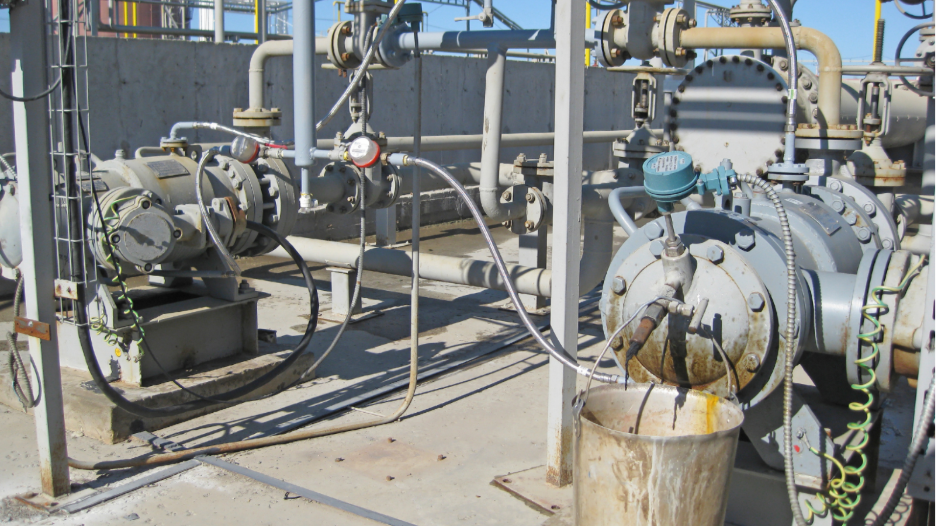
In California, a Class I, Zone 0 location is an area where ignitable concentrations of flammable gases or vapors are present continuously or for long periods of time.
In simple terms, Zone 0 represents an environment where a potentially explosive atmosphere is expected to be present for extended periods—not just during an accident or unusual event.
Because the risk of ignition is so high, equipment installed in these areas must be carefully selected and appropriate for the hazardous conditions.
Why Does Zone 0 Matter?
Fire needs three basic components: fuel, oxygen, and an ignition source.
NFPA found that U.S. fire departments responded to an estimated 36,784 fires per year at industrial or manufacturing properties during 2017–2021. Those fires caused approximately $1.5 billion in direct property damage annually.
In a Zone 0 location, flammable gases or vapors may already be present in concentrations capable of creating an ignitable or explosive atmosphere. That means controlling potential ignition sources becomes especially important.
An ordinary electrical device, switch, motor, or other piece of equipment may create a spark or generate enough heat to ignite the surrounding atmosphere if it is not suitable for the classified location.
California regulations allow hazardous locations to be classified based on both the materials present and the likelihood that a flammable or combustible concentration may exist. Each room, section, or area must be considered individually when determining its classification.
Shop Pro Fire & Safety fire extinguishers at: Fire Extinguishers | NFPA Compliant Safety
Zone 0 vs. Zone 1 vs. Zone 2
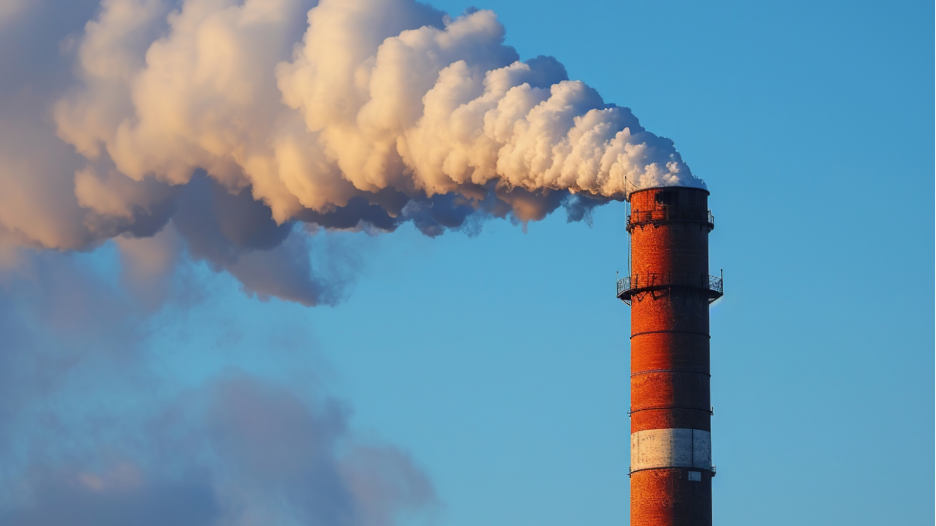
The Zone classification system helps distinguish between different levels of risk.
Zone 0
A Zone 0 location is where ignitable concentrations of flammable gases or vapors are present continuously or for long periods of time.
Zone 1
A Zone 1 location is generally an area where an ignitable atmosphere is likely to occur during normal operations.
Zone 2
A Zone 2 location is an area where an ignitable atmosphere is not likely to occur during normal operations and, if it does occur, is generally expected to exist only for a short period.
Understanding the difference between these classifications is important because the level of protection required may change depending on the hazards present and how frequently an ignitable atmosphere could exist.
California industry fact: California refineries received approximately 483.8 million barrels of crude oil during 2025, according to California Energy Commission data.
What Types of Facilities May Have Hazardous Locations?
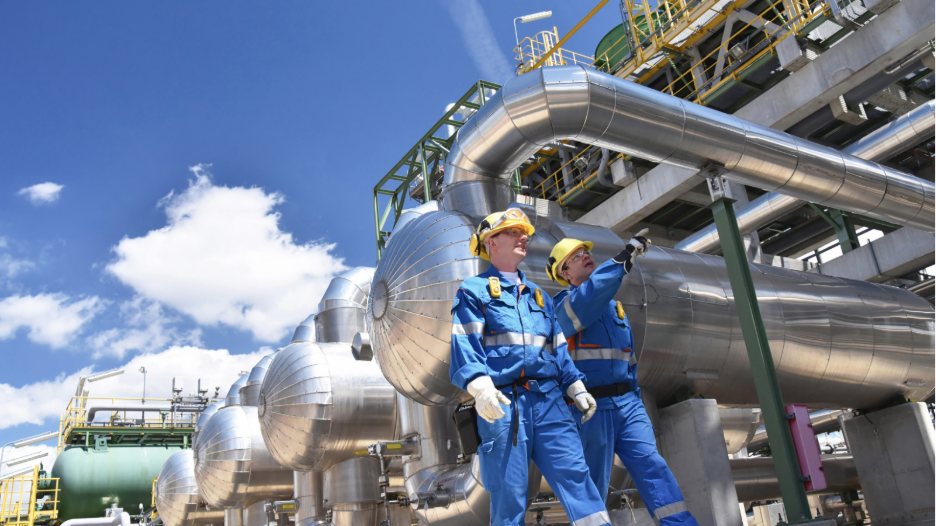
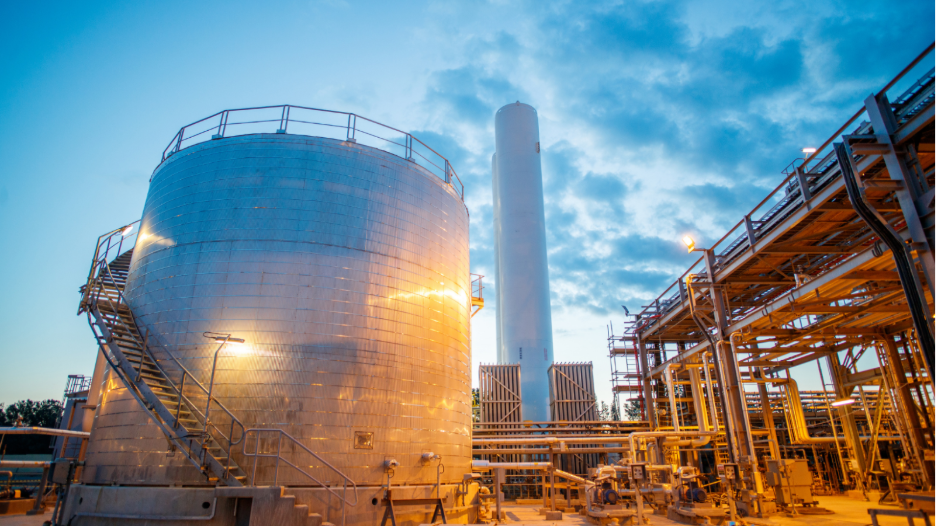
Hazardous classified areas can exist in a variety of industries and facilities that handle or process flammable materials.
Depending on the specific operation, these may include facilities involved with:
The California Energy Commission's current refinery table lists 11 refinery facilities with a combined crude-oil capacity of approximately 1.34 million barrels per day as of July 2026.
The presence of flammable materials alone does not automatically mean an entire building is classified as Zone 0. The specific area, materials involved, operating conditions, ventilation, and likelihood of flammable vapors or gases being present all play a role in determining the classification.
Fire Protection Is About More Than Just Having an Extinguisher
When dealing with hazardous locations, fire protection is not one-size-fits-all.
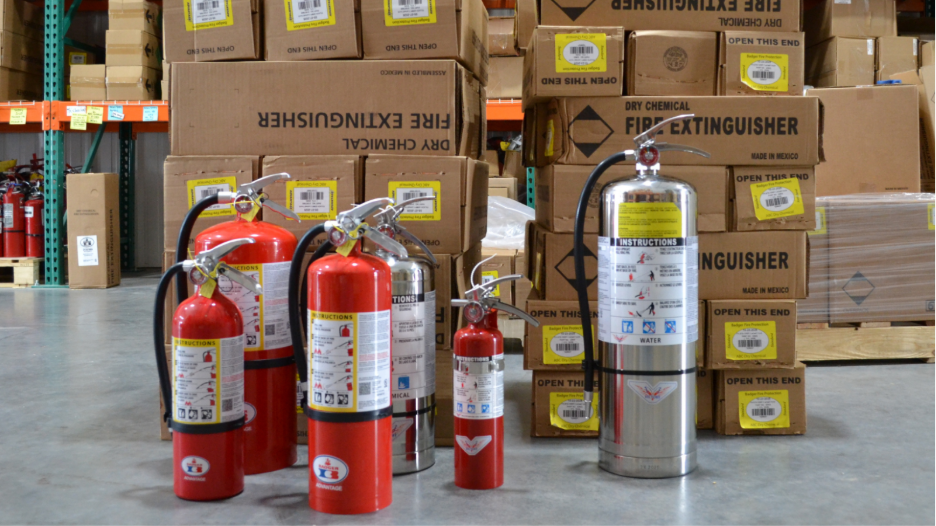
The right protection may involve a combination of properly selected equipment, fire extinguishers, suppression systems, alarms, electrical safeguards, inspections, and ongoing maintenance.
California's fire code requires portable fire extinguishers to be selected, installed, and maintained according to the hazards present. Additional protection may be necessary for specific Class A, B, or C hazards and other special hazards identified by the enforcing agency.
That means a facility handling flammable liquids or gases may have very different fire protection needs than a typical office or retail space.
Don't Guess When It Comes to Hazardous Areas
If your facility handles flammable gases, vapors, or liquids, understanding your potential fire and explosion hazards is essential.
A hazardous location classification can affect everything from the electrical equipment used in an area to the fire protection measures that may be required.
California industry fact: 10,000 POUNDS: California's Process Safety Management requirements can apply to certain processes involving 10,000 pounds or more of Category 1 flammable gas or flammable liquid with a flash point below 100°F in one location.
At Hedrick Fire Protection California, we understand that fire protection isn't always as simple as installing a standard fire extinguisher and calling it good.
Our team can help businesses evaluate their fire protection needs, maintain their fire protection equipment, and provide responsive service when it matters.
Need Help with Your Fire Protection?
Whether you operate an industrial facility, warehouse, manufacturing operation, fuel-related business, or another commercial property, Hedrick Fire Protection California is here to help you stay prepared.
Not sure what fire protection equipment or services your facility needs? Contact Hedrick Fire Protection California today and let our team help you find the right solution for your business. Call (Available 24/7) 877-817-1158