
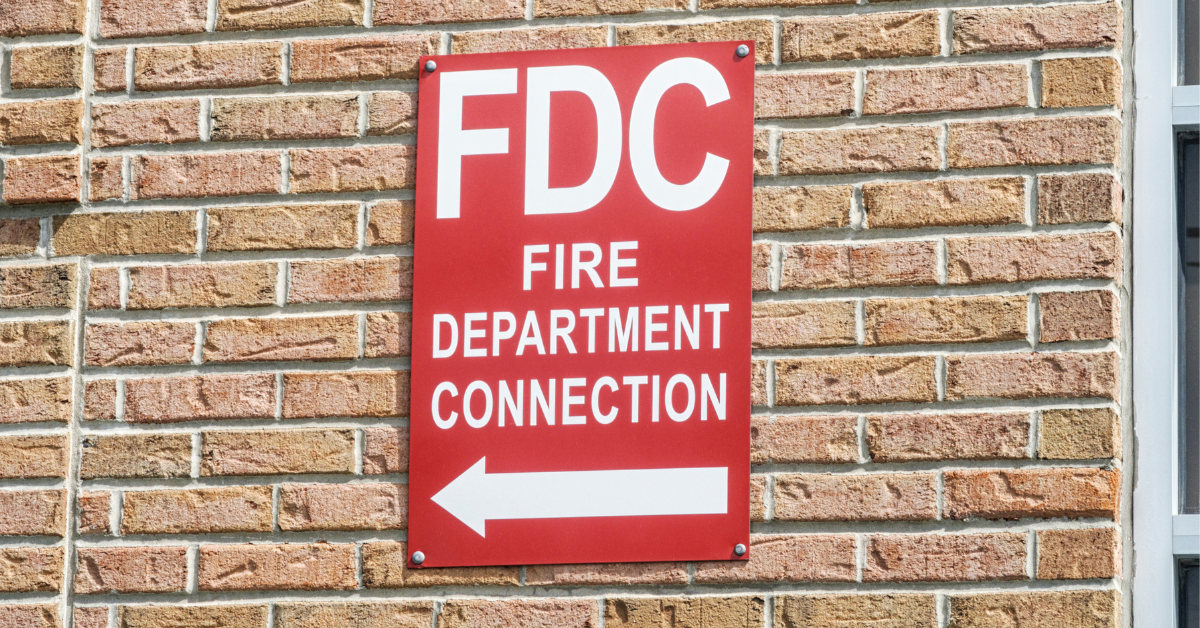
What Is an FDC Back Flush, and Why Is It Part of My Inspection?
7/7/2026
7/7/2026
Your annual fire sprinkler inspection report comes back clean. Every valve tested, every gauge in range, technician's signature on the bottom line. You file it away and move on with your week. What you probably didn't think twice about is a five-minute task buried in the middle of that visit: the technician hooking up to your fire department connection out front and running water backward through it before packing up. It looked almost like an afterthought. It wasn't.
Six months later, a fire breaks out on the third floor. The fire department arrives, hooks their pumper truck into that same FDC, and starts pushing water into your building's sprinkler system to boost pressure and keep it flowing — and almost nothing comes out the other end. The connection is choked with years of dirt, leaves, and rust that nobody ever flushed out, because the building three doors down skipped that "afterthought" step on its last two inspections to save fifteen minutes. Before you assume an FDC back flush is a throwaway line item on your inspection invoice, here's why it exists, what's actually happening underground when a technician runs it, and what you're risking every year you let it slide.
Most building owners assume the FDC is a passive piece of hardware, a fitting that just sits there until the day a fire truck needs it, with nothing to maintain in the meantime. In reality, the underground pipe connecting that street-side fitting to your building's sprinkler riser is exposed to the same slow contamination as any other section of pipe that doesn't see regular flow. Dirt, sediment, mineral scale, and even small animals or debris can work their way in through the threaded inlet over years of caps being removed and replaced during testing, construction nearby, or simple weathering. Because the FDC typically only sees water when a fire department actually charges it during a real emergency, that sediment has no reason to ever get flushed out on its own. The pipe can sit dirty and undisturbed for years, and the first time anyone finds out it's compromised is the worst possible moment to find out.
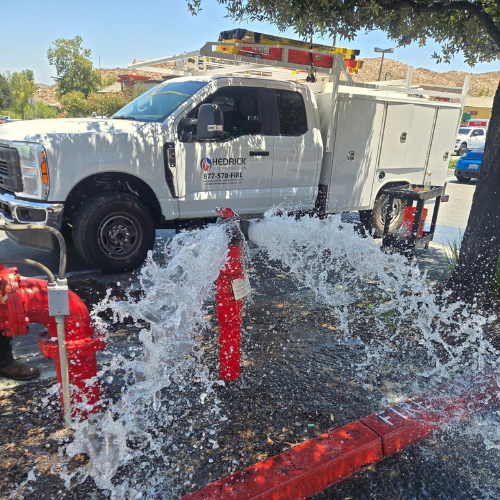
A back flush exists specifically to interrupt that slow buildup before it becomes a real problem. The technician connects a hose to the FDC and runs water backward through the line (opposite the direction it would flow during an actual fire response) to physically push accumulated debris and sediment out of the connection and clear the line before it can choke off flow when a pumper truck actually needs it. It's a deliberately disruptive test, not a gentle once-over, because gentle flow won't move caked sediment that's had a year or more to settle.
Skipping this step doesn't show up anywhere on a routine inspection checklist as a glaring red flag, which is exactly why it's so easy to let slide. A clogged FDC doesn't trip an alarm, doesn't drop your static water pressure reading, and doesn't show up as a problem until a fire crew is standing at the connection with a charged hose and almost nothing is making it through to your sprinkler riser. At that point, the fire department's ability to boost your system's pressure and water volume during a real fire is severely limited, right when your building needs every gallon per minute it can get.
LIABILITY WARNING: NFPA 25 requires fire department connections to be inspected and tested as part of routine sprinkler system maintenance, and a documented back flush is part of confirming that connection is clear and functional. If a fire department arrives at your property and cannot achieve adequate flow through a neglected FDC, and the resulting fire damage is more severe than it would have been with a properly functioning connection, your commercial property insurance carrier can use the lack of documented maintenance as grounds to deny or reduce your claim, and the Authority Having Jurisdiction can cite the building for noncompliance with NFPA 25 standards.
You can't tell whether an FDC will deliver water under pressure just by looking at it from across the parking lot, and you shouldn't have to find out the hard way during an actual fire response.
When Hedrick Fire Protection performs your annual sprinkler inspection, the FDC back flush isn't an optional add-on or an afterthought; it's a standard part of the visit. Our technicians remove the caps, inspect the threads and gaskets for damage or corrosion, run a controlled back flush to clear sediment and debris from the underground connection, and verify the check valve inside is seated properly so water flows in the correct direction when it counts. We document the condition of the connection and the results of the flush in your inspection report, so you have a clear record on file if your insurance carrier or local fire marshal ever asks for it.
Is your fire department connection actually ready to deliver water under pressure, or has it just been sitting there since the building went up? Click here to contact the Fire Sprinkler Inspection Team at Hedrick Fire Protection to schedule your annual inspection today.