Voice Evacuation Systems vs. Traditional Fire Alarms
October 27, 2026

October 27, 2026
When a fire alarm sounds in a commercial building, everyone inside needs to know what to do next. Some alarms use horns and flashing lights to warn occupants of danger, while others deliver spoken instructions to guide their response. Compared to traditional fire alarms, voice evacuation systems can provide more specific directions based on where occupants are located and how an emergency unfolds. This guide explains how both systems work, where they differ, and what business owners and facility managers should consider when choosing between them.
Voice evacuation systems are fire alarm systems that use recorded or live spoken messages to communicate with building occupants during emergencies. Rather than relying only on alarm tones, they can provide instructions on where people should go and how to respond. They're especially useful in large or complex buildings where different areas may need different evacuation directions.
These systems use speakers connected to fire alarm control and audio equipment to broadcast emergency messages. Depending on the system's design, announcements can reach the entire building or specific floors and zones. This flexibility allows emergency instructions to follow the building's evacuation plan.
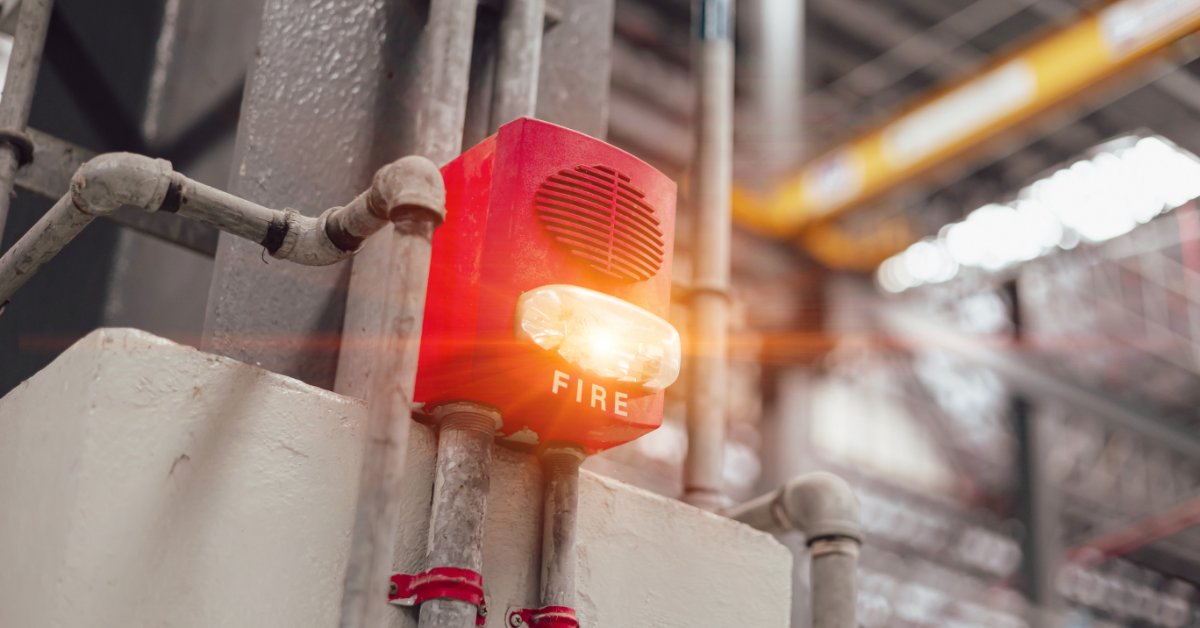
Traditional fire alarm systems warn occupants through audible and visual signals rather than spoken instructions. When a smoke detector, heat detector, or manual pull station activates, the control panel receives the signal and triggers the appropriate notification devices. These typically include horns, sounders, and flashing strobe lights.
While these signals alert people to a possible fire, they generally don't explain where the emergency is happening or which exits to use. Instead, occupants rely on posted evacuation routes and established emergency procedures. This type of alarm can be effective in buildings where a general evacuation signal provides enough warning.
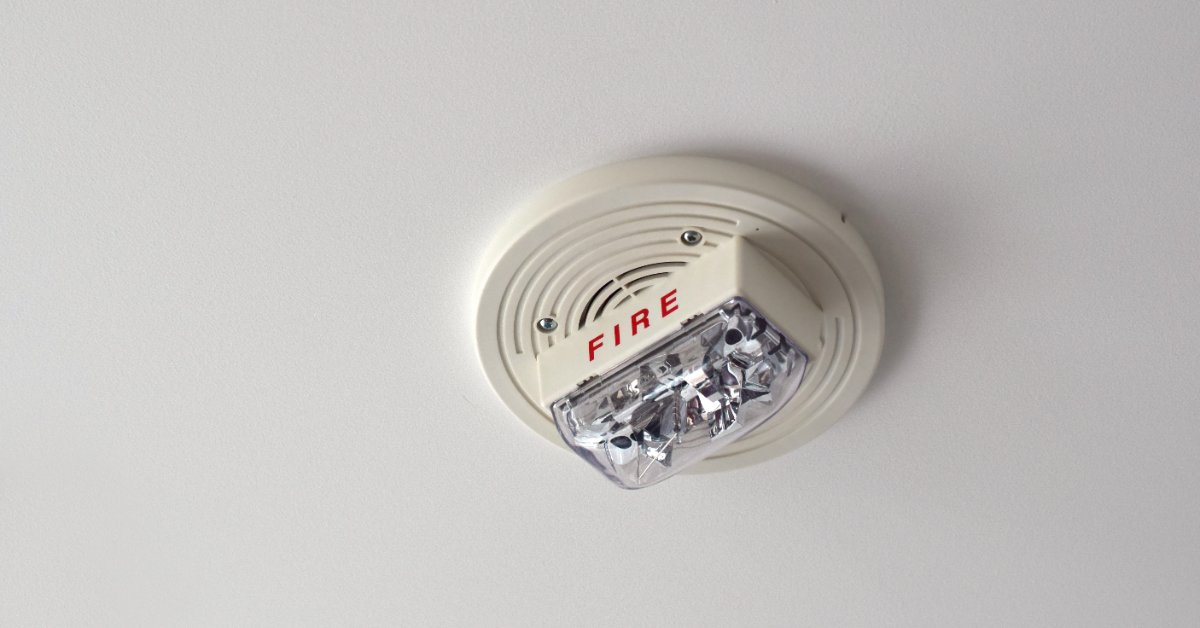
Compared with traditional fire alarms, voice evacuation systems offer additional capabilities for managing emergencies in complex buildings. These features may be especially valuable in facilities with multiple floors, large crowds, or areas that require different evacuation procedures. However, the added capabilities also come with different equipment and operational requirements.
The two systems also differ in several practical ways that can affect installation and operation:
One advantage of voice evacuation systems is that they can tell occupants what actions to take rather than relying on an alarm tone alone. Prerecorded messages may direct people toward designated exits or instruct them to move to another location when the evacuation plan calls for it. If conditions change, authorized personnel can provide updated directions through live announcements. With traditional alarms, occupants generally need to know what to do when they hear the evacuation signal.
Zoned evacuation allows emergency notifications to vary across different parts of a building. For example, occupants on a floor affected by a fire may be told to evacuate, while those in other areas receive instructions appropriate to their location. This can be particularly useful in high-rise buildings and facilities that use staged evacuation procedures. The zones and their programmed responses must follow the building's approved fire safety plan.
An alarm needs to be noticeable and understandable for occupants to respond appropriately. Traditional systems use recognizable audible patterns, while voice systems must deliver speech clearly enough for people to understand the instructions. Factors such as background noise and speaker placement can affect how well those messages are heard.
Many buildings also need visual notification devices because audible warnings alone won't reach everyone. Both systems can include flashing strobes to alert people who are deaf, hard of hearing, or working in noisy environments. When designing commercial fire detection systems, professionals must consider the building's layout and occupants, along with the property's notification requirements.
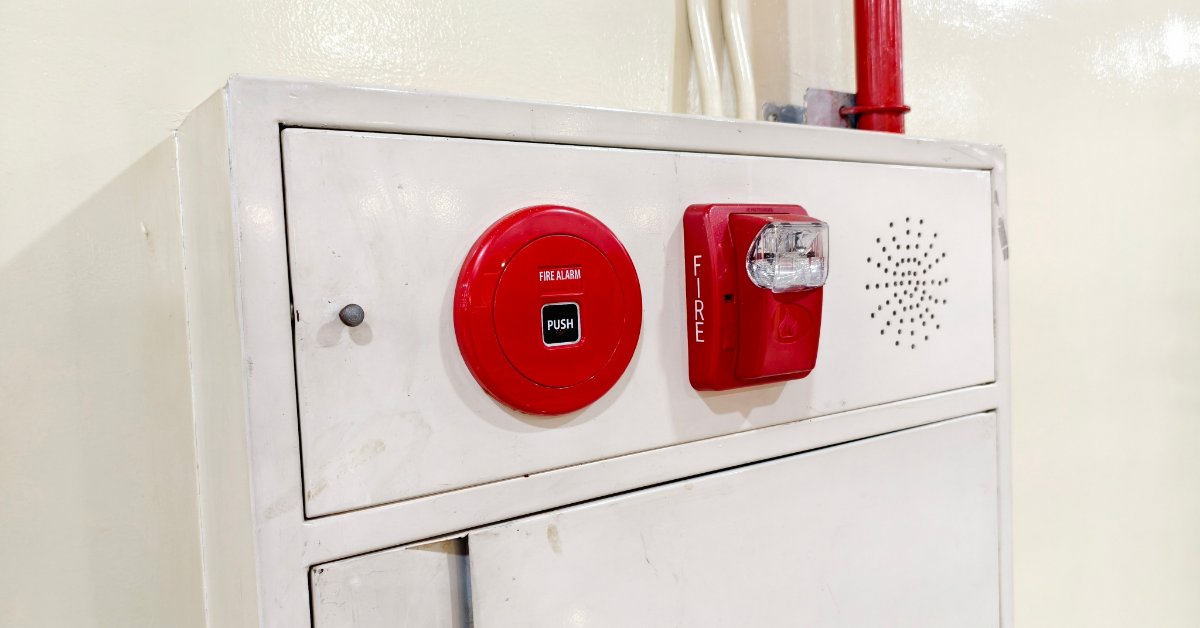
Installing a fire alarm system involves more than choosing detectors and notification devices. Technicians must determine where equipment should be placed and how it will connect to the control panel and power supplies.
Voice evacuation systems require additional planning to account for the following:
For existing buildings, adding voice evacuation capabilities may require upgrades to the current equipment. Some fire alarm panels aren't designed to support the components or functions needed for spoken emergency communication. Before making changes, facility managers should have qualified professionals assess the installed equipment and determine the necessary modifications.
The fire alarm requirements for a commercial property depend on its occupancy classification, height, size, and locally adopted codes. NFPA 72, the National Fire Alarm and Signaling Code, sets requirements for fire alarm and emergency communication systems. However, the applicable building and fire codes determine when a particular system is required.
Not every commercial property needs voice evacuation capabilities. Some buildings can meet their notification requirements with traditional horns and strobes, while others must provide spoken emergency instructions. Because requirements vary by jurisdiction, building owners should confirm what's necessary with the local authority having jurisdiction before selecting or modifying their equipment.
Choosing between traditional alarms and voice evacuation starts with understanding how people will need to respond during an emergency. A smaller commercial building may have straightforward evacuation routes, so a general alarm signal may be sufficient. Larger facilities may need more coordinated communication.
Several factors can influence which fire alarm system is right for a building:
The right fire alarm system isn't necessarily the one with the most features, but the one that meets your building's safety and communication needs. For some properties, a traditional alarm provides the necessary warning, while others require more detailed instructions to manage evacuations. Building owners and facility managers should consider how occupants will respond to an alarm, not just how the equipment operates. A qualified fire protection professional can evaluate those needs and recommend a system that meets applicable requirements.