.webp)
Private Fire Hydrant Flow Testing Procedures Explained
July 24, 2026

July 24, 2026
When a fire threatens a commercial property or other privately owned site, hydrants give firefighters access to water. However, building owners and facility managers must know whether those hydrants can supply the pressure and water volume that emergency crews may need. Read on to learn about private fire hydrant flow testing procedures and what they uncover.
Technicians will begin by reviewing available site plans, hydrant maps, underground piping layouts, and previous test reports. These records help them understand how water moves through the property and which hydrants connect to the same section of piping.
The testing team then walks the site to confirm hydrant locations and identify conditions that could affect access or water discharge. For example, parked vehicles and drainage areas can influence the test setup.
Another important step in private hydrant flow testing procedures is choosing the pressure and flow hydrants. The technicians will select one hydrant for pressure readings and another hydrant for water discharge.
The pressure hydrant should represent the area under evaluation, while the flow hydrant should draw water through the piping that serves that location. This arrangement allows the crew to measure how system pressure changes when water begins moving.
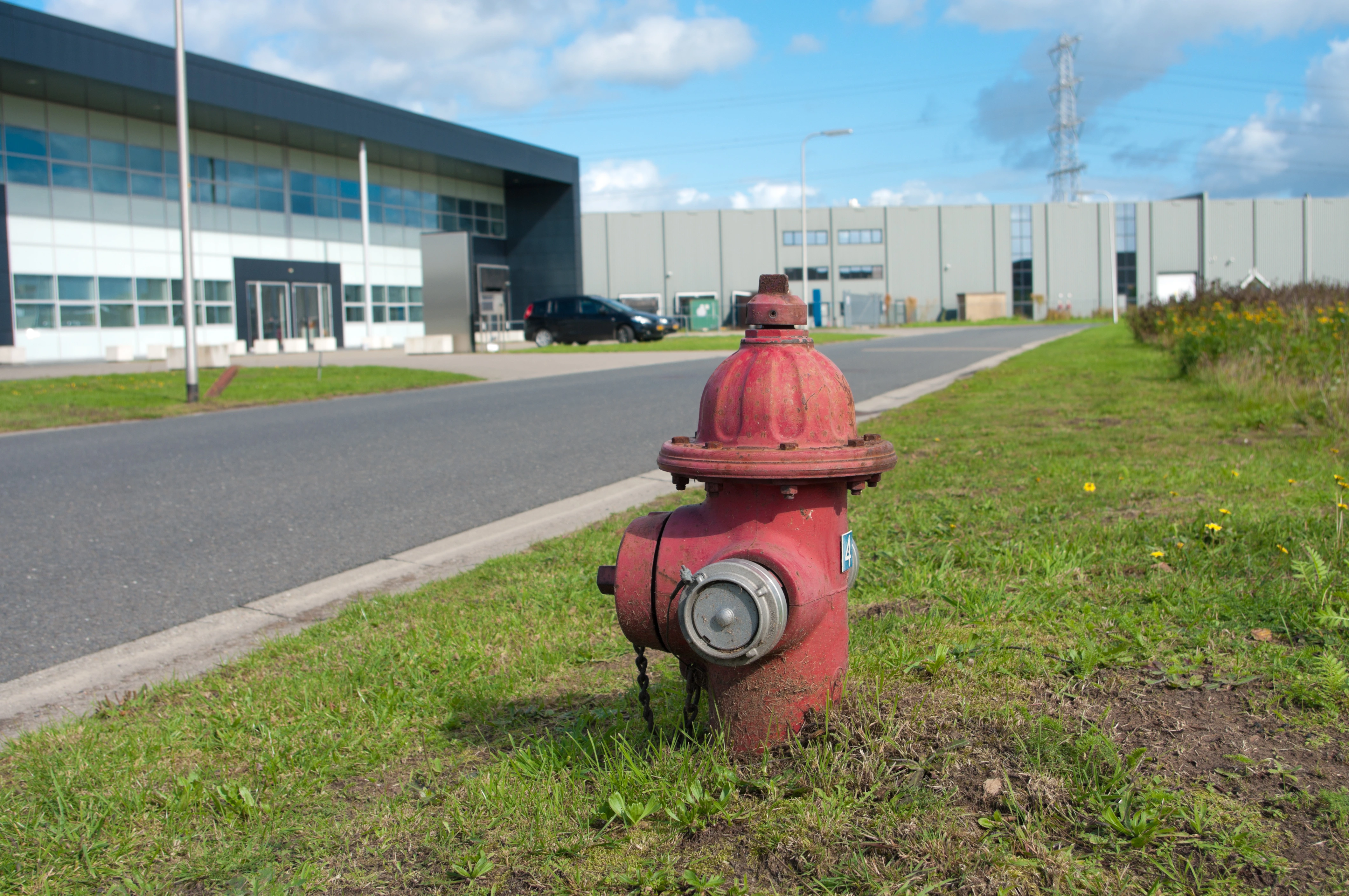
Before opening a hydrant, the crew must plan where the released water will travel. High-volume discharge can damage landscaping, wash away soil, move debris, flood paved areas, or create traffic hazards. Technicians may use diffusers, hoses, or other devices to direct the stream toward a suitable drainage location.
The team also establishes a controlled work area around each hydrant. Cones, barriers, and onsite personnel can help keep vehicles and pedestrians away from equipment and flowing water. Crew members confirm that they can communicate with one another before the test begins.
Technicians must inspect the hydrants for damage, leaks, and blocked access. They also examine the operating nut and exposed fittings for conditions that could interfere with safe operation. A hydrant with severe damage may require repair before the crew can use it for testing.
The crew then checks whether the hydrant opens and closes without unusual resistance. Excessive force can damage internal components or worsen an existing mechanical problem. Technicians document any operating difficulty because it may affect emergency use even when flow readings appear acceptable.
With the flow hydrant closed, the technician opens the pressure hydrant and allows the gauge reading to stabilize. The static pressure shows the water pressure available before the crew creates system demand. The technician records the reading along with the date, time, weather, and relevant operating conditions.
Afterward, technicians will open the flow hydrant slowly to reduce sudden pressure changes within the underground piping. Once the hydrant reaches the required position, the crew allows the water stream to stabilize before taking measurements. Slow operation also gives team members time to watch for leaks or unsafe discharge conditions.
As water flows, one technician measures discharge pressure or reads the flow meter at the open hydrant. Another technician records the residual pressure at the pressure hydrant at the same time. Residual pressure shows how much pressure remains in the system while it supplies the test flow.
Communication between crew members matters because both readings must represent the same operating condition. The team may repeat the measurements to confirm consistent results. If one hydrant does not create enough demand, the crew may open another outlet and record a new set of readings.
After collecting the required measurements, technicians close the flow hydrant slowly. A rapid closure can create water hammer, which sends a pressure surge through valves, fittings, and underground piping. Controlled closure limits stress on the private fire service main.
The crew then closes the pressure hydrant and removes the gauges and flow equipment. Technicians replace the caps and check the area for leaks, loose fittings, or damaged components. They also confirm that discharged water no longer creates a hazard around the property.
Dry-barrel hydrants should drain after the main valve closes. Technicians may listen for drainage, check for suction at an outlet, or follow another approved method based on local procedures. Water that remains inside the barrel can contribute to freezing, corrosion, or internal damage.
Wet-barrel hydrants follow a different design and do not use the same drainage process. The testing team identifies the hydrant type before evaluating post-test conditions. Any drainage concern belongs in the final report so the property representative can arrange further inspection or repair.
Technicians use the measured discharge, static pressure, and residual pressure to calculate available water flow at the required residual pressure. This calculation helps fire protection professionals estimate how the water supply may respond during greater demand. The final result may differ from the amount of water that flowed during the field test.
The technician reviews the numbers for inconsistencies before completing the report. Unusual readings may call for another test, additional flow, equipment checks, or investigation of the water supply. Comparing the results with earlier records can also reveal changes in system performance.
The final report identifies the hydrants, test locations, equipment, readings, calculations, and site conditions. It should also describe operating problems or other deficiencies found during the work.
Building owners and facility managers should retain the report with their fire protection maintenance records. The document can support future testing, repairs, system design work, inspections, and reviews by local authorities. When the report identifies a problem, the property representative should schedule corrective work before the condition affects emergency performance.
A private fire hydrant only provides value when crews can depend on it during a fire, which makes routine attention an important part of safety planning. Building owners and facility managers should treat symptoms such as weak flow and drainage concerns as repair issues rather than minor inconveniences. Addressing those problems early can reduce the chance of costly system failures and emergency delays.
If you need to have your hydrant tested, contact Hedrick Fire Protection today. We can help you confirm your hydrant is ready to perform. We can also provide fire hydrant repair services when testing reveals damage or performance concerns that require professional attention.