
.png)
The Most Common Fire Protection Problems and How to Avoid Them
September 21, 2026
September 21, 2026
Fire protection problems do not always start with a major system failure.
Sometimes, the issue is as simple as a blocked fire extinguisher, an overdue inspection, a damaged alarm component, or a fire protection system that has not been properly maintained.
Get your facility protected: Hedrick Fire Protection Services - CA
For California businesses and property owners, staying on top of fire protection can involve multiple systems, inspections, and maintenance requirements. When one part of that process is overlooked, it can create safety concerns, unexpected expenses, and potential disruptions to your business.
Here are five of the most common fire protection problems and what you can do to help avoid them.
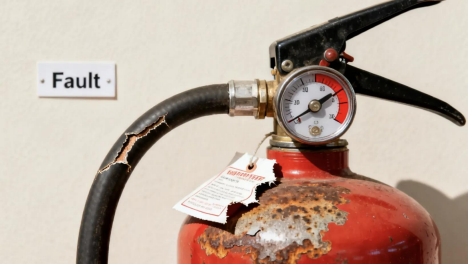
Fire extinguishers are only useful if people can access them when they need them.
One of the most common fire protection problems is finding extinguishers that are blocked by boxes, furniture, equipment, or other stored materials. In other cases, an extinguisher may be missing from its designated location or may need inspection, maintenance, or replacement.
Property owners and facility managers should regularly check that fire extinguishers are:
Book a fire extinguisher service: Fire Extinguisher Service
It is also important to remember that different types of fire extinguishers are designed for different hazards. An ABC extinguisher may be appropriate for many common applications, while commercial kitchens and specialized environments may require additional types of fire protection equipment.
A quick visual check can help identify obvious problems, but professional inspection and maintenance can help ensure your extinguishers receive the service they need.
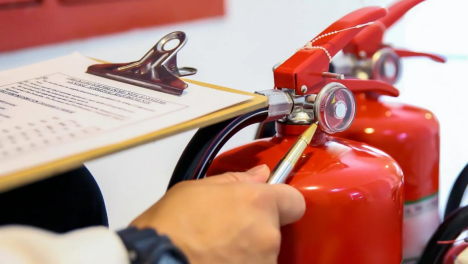
It is easy to lose track of inspection and testing schedules, especially when managing a large property or multiple locations.
However, fire protection systems require ongoing attention. Depending on the equipment and applicable requirements, this may include regular inspection, testing, maintenance, or service.
Commonly overlooked equipment can include:
Waiting until an inspection is overdue can create unnecessary stress and may leave little time to address problems that are discovered.
A better approach is to maintain a clear schedule of upcoming fire protection services and address issues as early as possible.
Working with a trusted fire protection provider can also help make it easier to stay organized and aware of upcoming service needs.
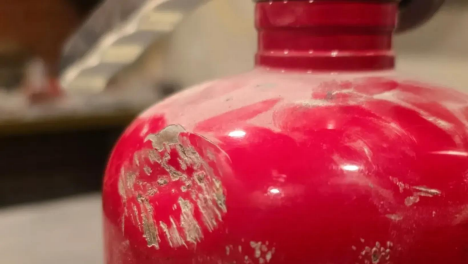
A damaged fire extinguisher bracket, a trouble signal on a fire alarm panel, a leaking sprinkler component, or a damaged suppression system part may not seem urgent at first.
However, small fire protection problems can become more complicated when they are ignored.
Waiting until a system completely fails may result in:
When employees, tenants, or maintenance staff notice a potential fire protection issue, it is important to take it seriously and have the appropriate equipment evaluated.
Addressing problems early can often be simpler and less disruptive than waiting for a larger issue to develop.

Businesses change over time.
A building may be remodeled, storage areas may be expanded, equipment may be moved, or a space may begin being used for a completely different purpose.
These changes can affect your property's fire protection needs.
For example, new equipment or operations may introduce different fire hazards. Storage placed in front of fire protection equipment may limit access. Building modifications may also affect fire alarm, sprinkler, suppression, emergency lighting, or exit requirements.
After making significant changes to your facility, ask:
Reviewing fire protection after major changes can help identify potential issues before they become a problem.

One of the biggest fire protection problems is waiting until something goes wrong before thinking about fire safety.
Fire protection should be an ongoing part of building and facility management, not something that only receives attention before an inspection or after equipment stops working.
A proactive approach includes:
When fire protection is part of your regular maintenance strategy, you can reduce last-minute surprises and better prepare your facility for an emergency.
Many common fire protection problems are preventable.
Blocked equipment, missed inspections, neglected maintenance, and unresolved system issues can often be identified before they create larger problems.
At Hedrick Fire Protection California, we help businesses and property owners maintain and manage their fire protection equipment and systems. From fire extinguishers and fire suppression systems to inspections, testing, and maintenance, our team can help you take a more proactive approach to fire safety.
Not sure if your fire protection equipment is up to date? Contact Hedrick Fire Protection California to discuss your facility's fire protection needs and schedule the appropriate service.
The best time to address a fire protection problem is before you need your equipment in an emergency.
Book a call: Hedrick Fire Protection CA