
How Does a Kitchen Fire Suppression System Work?
8/10/226
8/10/226
Routine service can quickly become an emergency when grease, cooking oil, or cooking equipment ignites in a commercial kitchen. Portable extinguishers are important, but a kitchen fire suppression system works even when employees can’t safely reach the flames. This guide walks through the detection, discharge, shutdown, and service process so business owners and facility managers can better prepare their kitchens.
What Is Kitchen Fire Suppression?
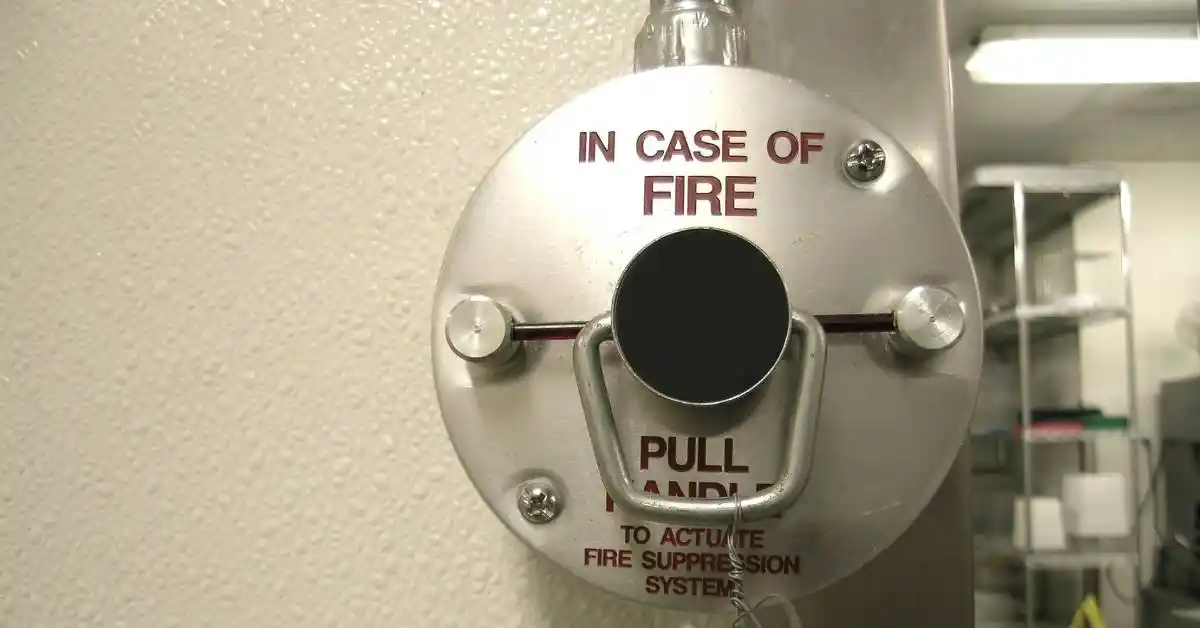
A kitchen fire suppression system is fixed equipment that detects and suppresses fires around cooking appliances and ventilation systems. The system is installed in specific locations above and around the equipment it protects. It can activate automatically or through a manual pull station.
The system directs an extinguishing agent toward high-risk appliances, surfaces, and ventilation areas. At the same time, it may shut off gas or electrical power to the affected equipment. Together, these actions limit the heat and fuel that could allow the fire to continue growing.
Areas the System Protects
System coverage may include fryers, griddles, ranges, broilers, woks, and other commercial cooking appliances. Exact coverage depends on the system design and the equipment installed beneath the hood. The hood, filters, plenum, and exhaust duct may also require protection. Because the system’s design is specific to the cooking line, appliances should not be moved or replaced without confirming that the existing system still provides adequate protection.
Main Fire Suppression Components
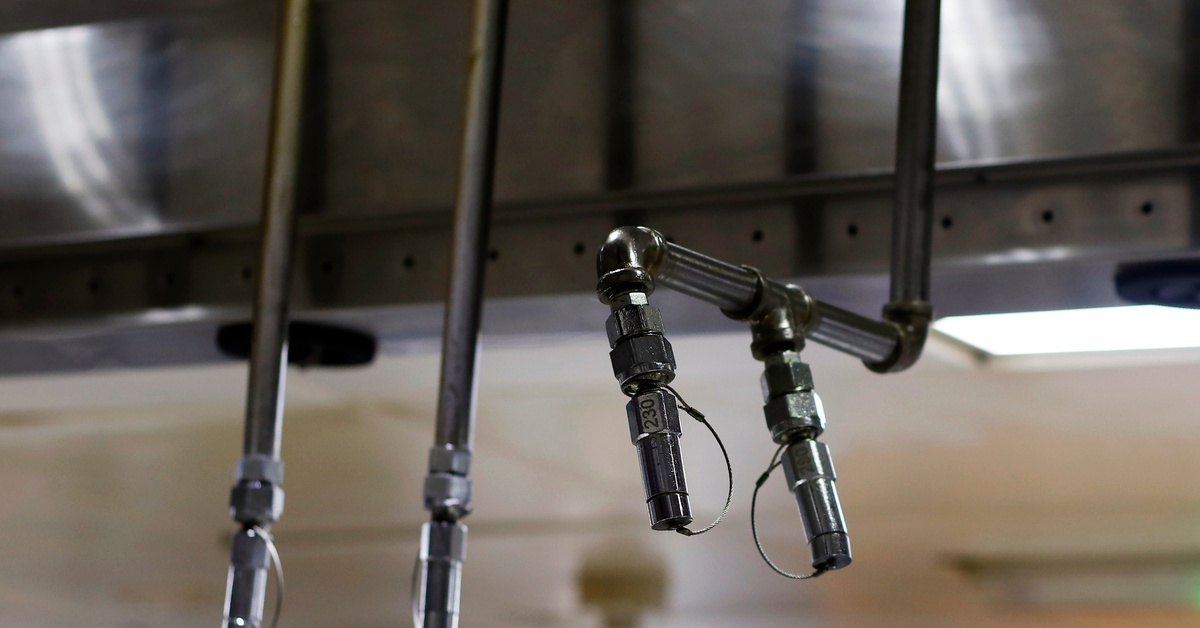
Here are the components typically included in a kitchen fire suppression system and what they do:
· Heat detection devices monitor areas and initiate automatic activation when the temperature threshold is reached.
· The suppression agent tank stores the wet chemical agent until the system activates.
· Distribution piping carries the agent from the tank to the discharge points.
· Discharge nozzles direct the agent toward specific appliances, cooking surfaces, and ventilation areas.
· A manual pull station allows an employee to activate the system from a safer location.
· The control or release mechanism starts the discharge sequence after automatic or manual activation.
· Fuel and power connections shut down designated gas or electrical cooking equipment.
· The alarm connection sends a signal to an alarm or monitoring system when the installation includes one.
How the System Detects Fire
A kitchen fire suppression system relies on heat-sensitive detection devices placed in strategic areas above the cooking line. These devices are designed to respond when heat rises beyond normal cooking conditions and reaches the system’s activation point.
Because normal cooking generates substantial heat, the detection system must respond to fire conditions rather than ordinary kitchen temperatures. Its layout is based on the hood, cooking appliances, and manufacturer requirements instead of the room temperature alone.
What Happens When It Activates
Once the system is triggered, several safety functions begin in a set sequence. The goal is to control the fire quickly while reducing the heat and energy sources that could allow it to spread or reignite.
Automatic Heat Detection
Automatic activation allows the system to respond without requiring an employee to approach the fire. When the detection device reaches its operating point, it signals the release mechanism to begin the suppression process. This can be especially important when flames, smoke, or intense heat make the cooking area unsafe to reach.
Manual Pull Station Activation
Connected Safety Functions
Activation may also trigger several connected safety features throughout the kitchen. Gas or electrical power to designated appliances may shut off, and the building alarm or monitoring system may receive a signal. These functions reduce the chance that cooking equipment will continue adding heat or fuel to the fire. They also alert employees and other occupants that an emergency response is underway.
How the Suppression Agent Works
Many commercial kitchen systems use a wet chemical agent designed for fires involving hot cooking oils and grease. Instead of filling the entire room, the nozzles apply the agent directly to protected areas. The agent suppresses the flames while cooling and covering the heated cooking material.
Hot cooking oils can retain enough heat to reignite even after the visible flames are gone. The wet chemical agent creates a protective layer over the grease or oil while the area begins to cool. Businesses that need service for restaurant fire suppression systems should work with a qualified provider familiar with the installed system, its agent, and the manufacturer’s requirements.
Why Appliance Shutdown Matters
Releasing the extinguishing agent may not be enough if an appliance continues producing heat or supplying fuel. An automatic gas or electrical shutdown removes an energy source that could continue feeding the fire. It also lowers the risk that a hot appliance will cause the grease or cooking oil to ignite again.
The shutdown functions must match the appliances and utilities included in the system design. For example, moving a fryer, installing a new range, or changing an appliance’s energy source can create a gap between the cooking equipment and its protection. A qualified professional should review these changes before the updated cooking line is placed into service.
What To Do After Discharge
After the system discharges, keep the affected cooking equipment turned off and follow the facility’s emergency procedures. Contact emergency services when required, and keep employees and customers away from the area. Do not move system components or try to reset the equipment yourself.
A qualified fire protection professional should inspect, clean, recharge, and reset the system before cooking resumes. Document the incident and any visible damage for your records. Only return the kitchen to service after confirming that the suppression system is fully operational.
Effective kitchen fire protection depends on more than installing the right equipment. The system must remain properly matched to the cooking line, professionally maintained, and understood by the people who work nearby. Business owners and facility managers should include suppression system checks in their broader kitchen safety planning. Doing so supports a faster, more reliable response when a fire occurs.