Fire Protection at an Airport Is Not Just Another Inspection
8/24/2026
8/24/2026
You manage a facility where thousands of people can move through the building in a single day.
Travelers are checking bags, employees are moving equipment, restaurants are serving food, aircraft are being serviced, and operations are expected to keep moving without interruption.
Then a fire protection system needs attention.
At an airport, you don't have the luxury of treating fire protection like a routine item on a maintenance list. A problem with a fire extinguisher, sprinkler system, fire alarm, hydrant, or suppression system can quickly become an operational problem for the entire facility.
That is why airport fire protection requires more than simply checking a box.
Here is what facility managers should know before the next inspection, service call, or system upgrade.
What to Do Before Work Begins
Identify every system involved: Airports can have fire extinguishers, fire alarms, sprinklers, hydrants, kitchen suppression systems, and other specialized fire protection equipment. Understanding the full scope of the facility helps ensure nothing gets overlooked.
Coordinate with the airport facilities manager: The facilities manager or designated representative should be the main point of contact for scheduling, access, and resolving deficiencies. Some repairs may require additional coordination and can take days or even longer than a week to complete.
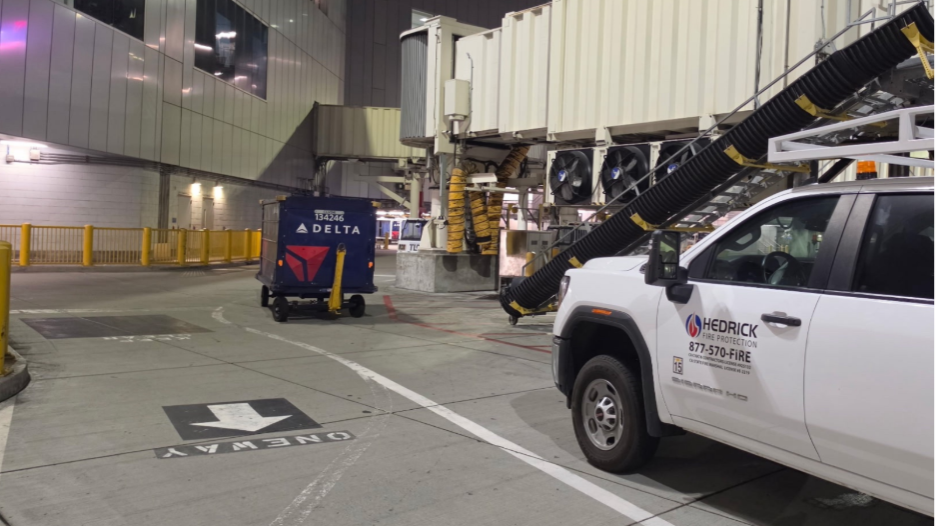
Plan for airport security: Technicians may need identification, security clearance, vehicle approval, and escorts to access certain areas. All vehicles may also need to meet airport identification requirements.
Choose a qualified fire protection contractor: Airport facilities are complex environments. It is important to work with a team that understands airport operations and can handle multiple fire protection systems.
The Problem with Treating an Airport Like an Ordinary Commercial Building
It is easy to think of an airport as simply a large commercial property.
It has offices, restaurants, warehouses, mechanical spaces, parking structures, and public areas—so the fire protection requirements should be straightforward.
They are not.
An airport can contain many different occupancies and fire hazards under one property. A commercial kitchen has different risks than a baggage-handling area. A maintenance facility has different hazards than a passenger terminal. Aircraft support areas introduce another layer of complexity.
The fire protection system has to account for the actual hazards in each space.
One facility does not mean one fire protection solution.
One Airport Can Have Multiple Fire Protection Systems
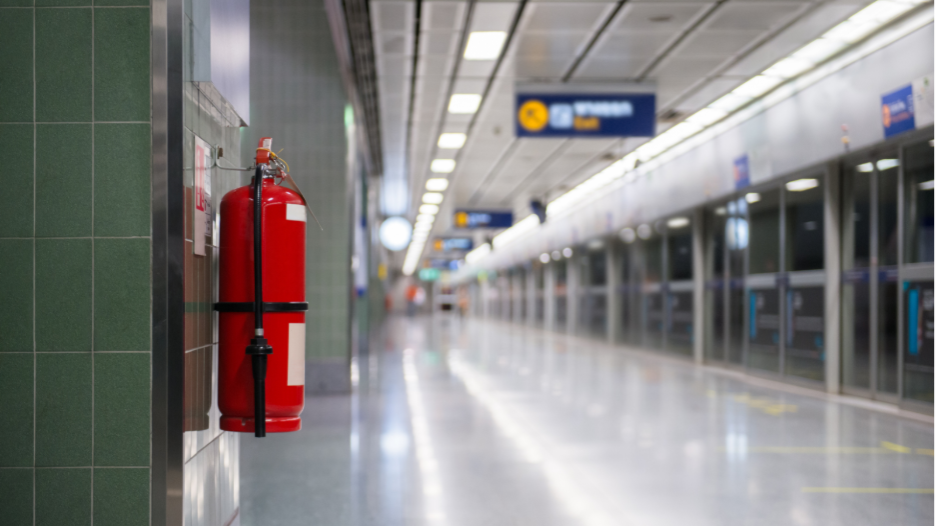
Airport facilities can rely on a wide range of fire protection equipment.
That may include:
Each system serves a different purpose, and different areas of the airport may require different types of protection.
A restaurant kitchen does not have the same fire hazards as an electrical room. A storage area does not have the same risks as an aircraft maintenance facility.
That is why it helps to work with a fire protection company that can understand and service all of the systems throughout the property.
Why One Fire Protection Company Can Make a Big Difference
At an ordinary commercial property, coordinating multiple contractors can be inconvenient.
At an airport, it can create even more challenges.
Every contractor may require security coordination, identification, vehicle access, and scheduling around airport operations. Some areas may require an escort before work can begin.
Working with one qualified fire protection company that can handle multiple systems can simplify the process.
Instead of coordinating separate companies for extinguishers, alarms, sprinklers, and suppression systems, facility managers can work with one team that understands the property and its operational requirements.
This can help simplify scheduling, access, documentation, deficiency repairs, and ongoing maintenance.
Airport Operations Make Small Problems Bigger
A deficiency in an ordinary commercial building is still important.
At an airport, however, the operational consequences can be much larger.
A system that requires repair may involve coordination with facility management, security personnel, airport operations, and authorities having jurisdiction. Work may need to be completed during specific operational windows, and access to secure areas may require advance planning.
That means resolving a deficiency is not always as simple as sending a technician back the next day.
The goal isn't simply to respond when something fails.
The goal is to keep the system ready before the failure happens.
LIABILITY WARNING: Fire protection requirements can involve NFPA standards, applicable California fire and building codes, airport requirements, and requirements established by the local authority having jurisdiction. A deficiency that is ignored or improperly corrected can create serious compliance, insurance, operational, and liability consequences.
Keeping Airport Fire Protection Ready
Airport fire protection is not a DIY project.
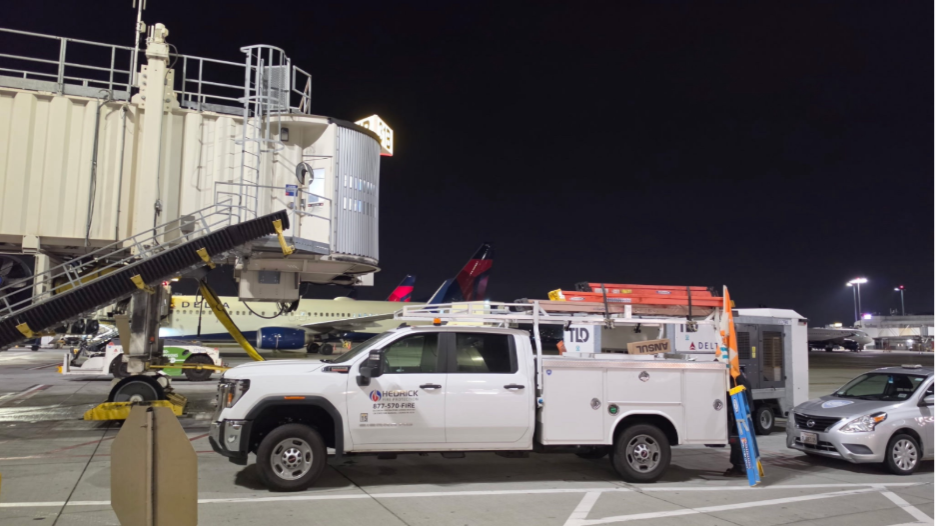
It requires trained professionals who can evaluate the equipment, identify deficiencies, perform the necessary service, and understand the unique requirements involved in working at an active airport.
When you bring in Hedrick Fire Protection, our technicians can evaluate the fire protection equipment serving your facility and identify problems before they become larger operational headaches.
Depending on the facility and scope of work, that can include:
The important part is not simply completing an inspection.
It is understanding what the inspection found, what needs to be corrected, and having the right team available to complete the work.
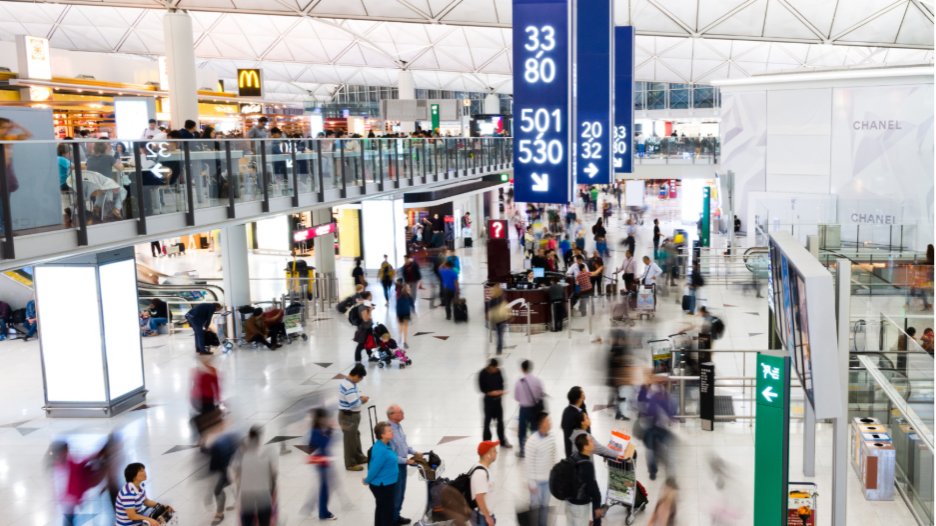
Protecting the Places That Keep California Moving
Airports are built around one thing: keeping people and operations moving.
Your fire protection systems need to do the same.
Whether you are managing a passenger terminal, airport restaurant, maintenance facility, hangar, warehouse, or another airport operation, proactive fire protection service can help identify problems before they become disruptions.
Choosing a fire protection company familiar with airport environments—and capable of handling multiple fire protection systems—can make inspections, repairs, and ongoing maintenance much easier to manage.
Is your airport facility due for fire protection service, testing, or inspection? Don't wait for a deficiency to become an operational problem. Contact the Hedrick Fire Protection California team and schedule a fire protection assessment today.