Fire Hydrant Color Coding and Marking Standards
October 7, 2026

October 7, 2026
Fire hydrants are a critical part of a community’s fire protection system. During an emergency, firefighters must locate hydrants and understand key information quickly. Fire hydrant color coding and marking standards give crews a consistent visual
reference for details such as hydrant type and available flow. Exact colors and markings can vary based on local requirements and water system practices.
Fire hydrant colors can give firefighters a quick indication of the water available from a hydrant. According to NFPA, some authorities with jurisdiction use a marking system to identify available flow, although specific required colors are determined locally. NFPA 291 provides a recommended color scheme that jurisdictions can use.
The color classification is tied to the amount of water a hydrant can provide under tested conditions. This gives responding crews a visual reference before they begin using the hydrant. However, the color represents a range rather than an exact flow rate because water availability can change as system demand changes.
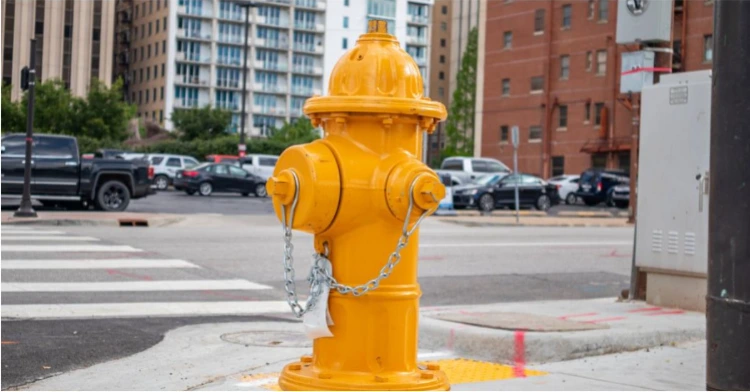
Under the NFPA 291 marking system, flow-capacity colors are applied to specific parts of the hydrant rather than the entire unit. The recommended colors appear on the bonnet, which is the top of the hydrant, and on the caps covering its connections.
Firefighters can then use those markings as a quick reference when evaluating available water during an emergency. The markings don’t replace testing, but they can provide useful information about the hydrant’s expected performance.
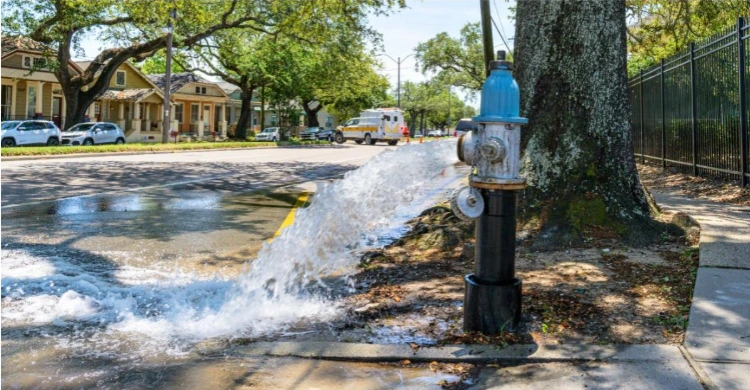
A hydrant’s appearance alone can’t show exactly how much water it will provide. NFPA notes that the most effective way to determine available water is through a hydrant flow test. NFPA 291 provides procedures for conducting these tests and using the results to classify hydrant performance.
Fire flow is measured in gallons per minute at 20 psi residual pressure. Authorities can then use the resulting flow rate to place the hydrant within an NFPA capacity class. That classification determines the recommended bonnet and connection cap color.
NFPA 291 uses four recommended color classifications to represent ranges of available flow. Each color corresponds to a capacity class rather than a precise number. Fire hydrant color coding and marking standards should always be interpreted within the context of the specific water system and jurisdiction. When in doubt, confirm which marking system applies to a property.
A light blue bonnet or cap represents Class AA. This classification applies to hydrants providing at least 1,500 gallons per minute at the designated residual pressure. It represents the highest flow range in the recommended marking system.
Green identifies a Class A hydrant. These hydrants provide between 1,000 and 1,499 gallons per minute under the test conditions used for classification.
Orange is used for Class B hydrants. This category covers flow rates from 500 to 999 gallons per minute. Hydrants in this range may still provide useful firefighting water, but their available flow is lower than Class A or Class AA units.
Red represents Class C in the NFPA classification system. These hydrants provide less than 500 gallons per minute at the designated residual pressure. The marking alerts crews that the available flow falls within the lowest recommended classification.
NFPA 291 also recognizes certain reflective or high-visibility colors that were already widely used in some regions before the recommended color scheme was adopted. These alternatives can include chrome silver, white, and lime-yellow where they remain part of an established local marking system.
A hydrant’s available flow can change throughout the day as demand on the surrounding water system rises or falls. Homes, businesses, irrigation systems, and other users may all draw from the same supply, which can affect both pressure and available flow. Because those conditions aren’t fixed, NFPA color classifications use flow ranges rather than one exact gallons-per-minute value.
A flow test shows how a hydrant performs under the conditions present at the time of testing. That result is then used to place the hydrant within a broader flow classification.
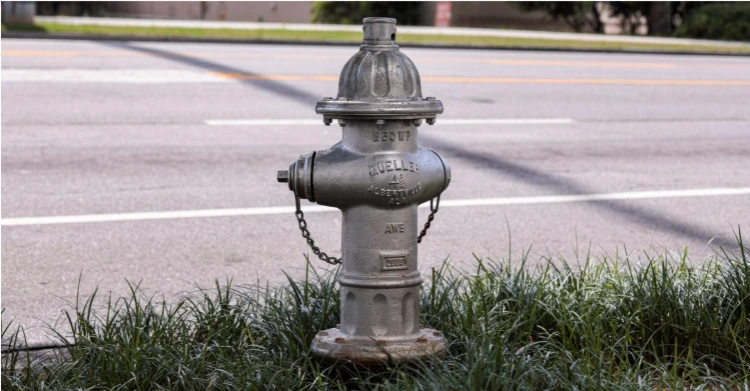
Paint is one of the most visible ways to identify hydrant characteristics, but it isn’t the only option. NFPA materials also reference stenciling and other approved identification methods in certain situations. These additional markings can provide more specific information when color alone isn’t enough.
For example, a hydrant may have its rated pressure stenciled on the top in black. High-volume hydrants may also display their rated capacity as a stenciled value. Used alongside color coding, these markings give crews a more detailed picture of hydrant performance.
Some jurisdictions may use approved reflectors, flags, or other devices to make hydrants easier to identify. Special markings may also be used when multiple hydrants are intended to provide a combined flow capacity. The authority having jurisdiction determines which methods are required or approved for a particular location.
Hydrant markings can become harder to read as paint fades, chips, or wears away over time. Regular inspections can identify those changes before important color or identification details are lost.
Any repainting should preserve the hydrant’s correct classification and follow current flow data and local requirements. NFPA guidance also allows reflective paint for capacity colors, which can improve night visibility. If the markings no longer match current test data, correct them as part of the repainting process.
Some hydrant problems go beyond faded paint or outdated markings. Significant corrosion, leaks, damaged components, or unreliable operation may indicate that fire hydrant replacement is the more appropriate solution. Replacing a deteriorated unit can restore dependable access to the water supply and reduce the risk of performance issues.
Replacement also provides a chance to confirm the new hydrant is identified correctly. Current flow-test results can be used to determine the appropriate capacity classification, while local requirements guide how the hydrant should be marked. Updating those details at installation reduces the chance of carrying outdated or inaccurate information onto a new unit.
Fire hydrant color coding gives firefighters a practical way to identify useful information about available flow and system characteristics. Clear, current markings support faster decisions during an emergency. Routine inspection, repainting, testing, and replacement keep that information accurate over time.