
Essential Fire Protection Solutions for Restaurants
2/19/2025
2/19/2025
With open flames, hot cooking surfaces, and flammable materials all in close proximity, restaurant kitchens are a significant fire hazard. By taking proactive measures, restaurant owners can protect their investments and their staff and customers. Explore essential fire protection solutions for restaurants and how they work together to detect, contain, and extinguish fires.
Grease buildup on exhaust hoods, ductwork, and appliances can significantly increase the risk of kitchen fires. Heat sources like burners, grills, or fryers can reach high enough temperatures to cause the grease to ignite. Once ignited, the grease fire burns intensely and can spread quickly, fueled by additional grease and oil nearby. Flames may travel upward into the exhaust hood or duct system coated with grease deposits, further spreading the fire.
Scheduling regular deep cleanings remove grease and oil, reducing fire hazards caused by overheated surfaces. Proper maintenance also extends the life of your equipment. Regular check-ups can identify potential issues like worn-out parts or wiring problems before they become dangerous, ensuring your kitchen runs smoothly and safely.
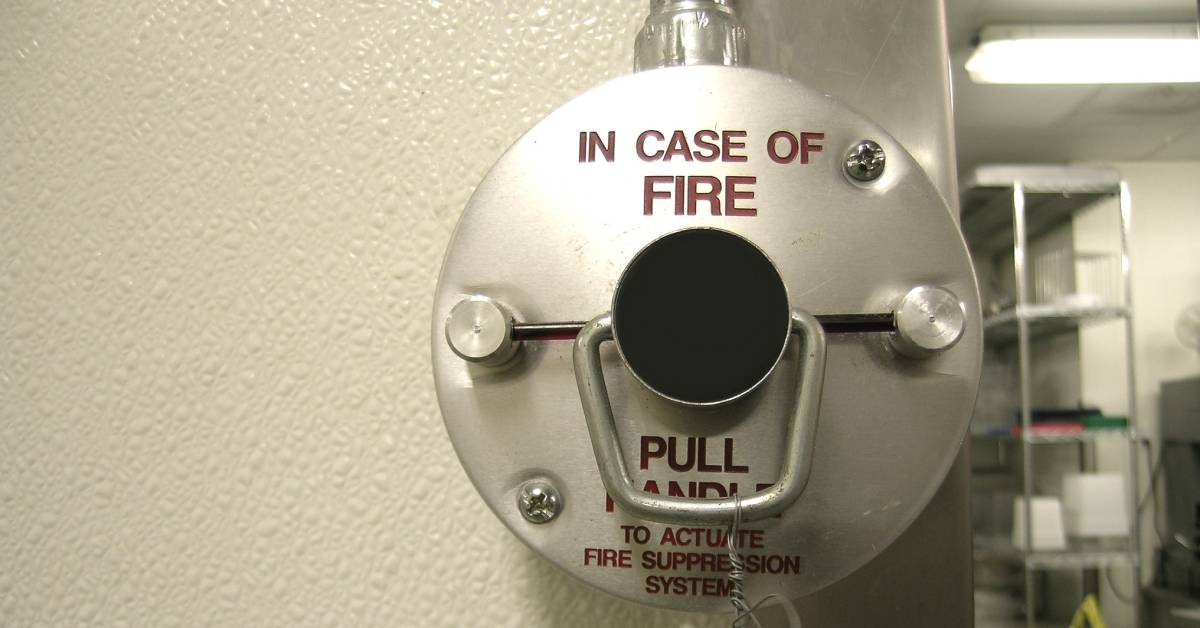
Fire suppression systems are designed to automatically release a fire-extinguishing agent when they detect high heat or flames, limiting damage and potentially saving lives. They are most critical in areas with fryers, grills, and other high-risk equipment. By containing fires early, suppression systems help protect not just the cooking area but also the entire establishment.
Inspections, repairs, and servicing are essential restaurant fire protection tasks that keep fire suppression systems working properly. Generally, fire suppression systems in restaurants should be inspected at least semi-annually, although local codes may require more frequent checks. The inspector will evaluate key components like nozzles, extinguishing agents, control panels, and piping. Supervisors verify these chemical storage setups using the NFPA 17 dry chemical extinguishing guidelines.

A fire extinguisher is a handheld device used to put out small fires before they spread. For restaurant owners and facility managers in Ontario, it sprays a special substance, like foam, powder, or gas, to stop the fire by cooling it, cutting off oxygen, or stopping the flames from spreading.
Class K fire extinguishers use a specialized wet chemical agent, such as potassium acetate or potassium citrate, to tackle grease fires. This agent works through saponification, creating a foam-like barrier over the burning grease that cuts off oxygen and cools the surface to extinguish the fire.
Class K fire extinguishers should be placed near cooking equipment, such as fryers or grills, and close to exits for quick access during emergencies. The number of extinguishers needed depends on the kitchen size, but there should be at least one for every major cooking station to ensure safety.
In California, Class K fire extinguishers need to be inspected by a certified professional once a year to comply with state fire safety regulations. Additionally, they should receive a visual check monthly to ensure they are ready for use.
Your staff is an important line of defense against fire hazards, which means proper training is crucial. Periodic refresher courses can reinforce fire safety practices.
Fire safety training should teach staff how to do the following:
A kitchen hood ventilation system is another essential fire protection solution for restaurants. These systems reduce heat, smoke, and grease buildup in the kitchen, creating a safer working environment. Many high-quality hoods also come with integrated fire suppression systems for added protection.
To maintain optimal performance, ventilation systems must be cleaned and serviced regularly. Neglecting maintenance can lead to blockages that not only reduce ventilation efficiency but also increase the risk of fire. Specialized cleaning services are equipped to thoroughly clean ductwork, fans, and fire suppression components, ensuring compliance with safety regulations and reducing fire risks.
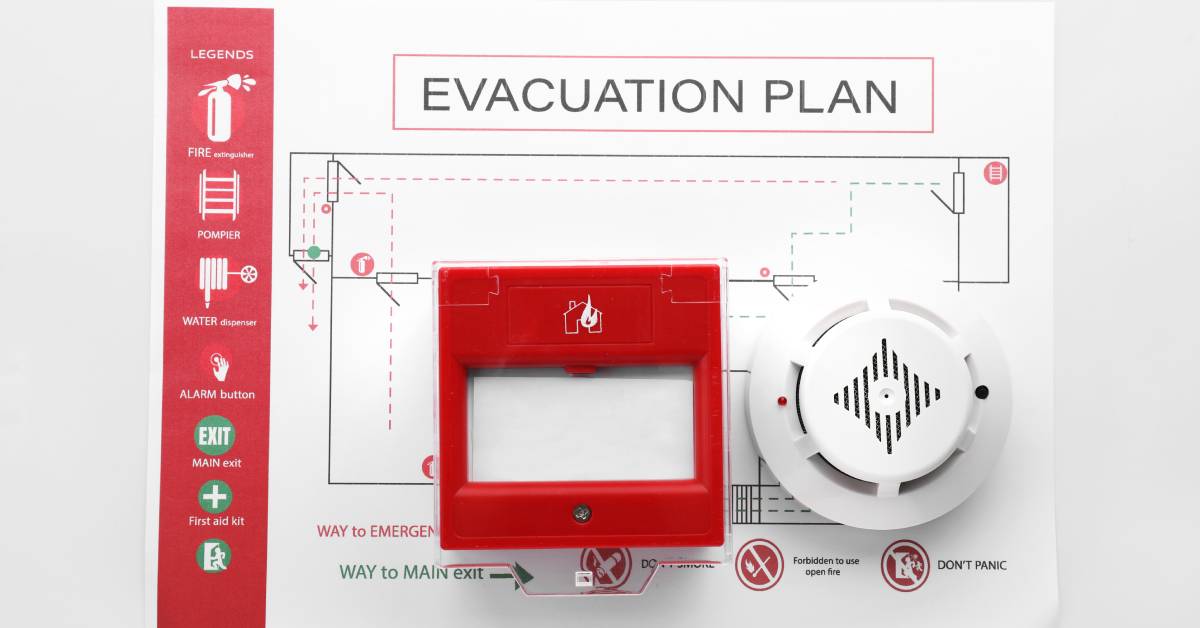
A clear and practiced emergency plan is essential for every restaurant. Post the plan in locations where they are highly visible and easily accessible to staff and customers. Place copies in staff break rooms and kitchen areas and near all exits.
This plan should include the following information:
Faulty wiring, overloaded outlets, and damaged cords can overheat, spark, or short-circuit, leading to fires. Kitchen appliances, often running at high capacity, further increase the risk when electrical systems are not properly maintained or updated to manage the load.
To prevent these risks, restaurants should conduct regular inspections of wiring, outlets, and circuit breakers with the help of a licensed electrician. Staff should be trained to recognize signs of electrical issues, like flickering lights or warm outlets, and act promptly. Using surge protectors, properly distributing electrical loads, and replacing damaged equipment can enhance safety and minimize fire hazards.
Fire alarms and smoke detectors detect smoke or heat and alert individuals to potential fires. They provide early warnings that minimize fire damage and allow staff and patrons to evacuate quickly. Smoke detectors sense airborne particles from smoke, while heat detectors react to a rapid rise in temperature, triggering an alarm. Place fire alarms and smoke detectors in high-risk areas like kitchens, storage rooms, and near exits.
Regular inspections and maintenance by fire safety professionals ensure these devices remain effective. Experts can test alarms, replace batteries or worn-out components, and verify that the systems meet local fire safety codes. They can also perform more in-depth evaluations, such as checking wiring or connections and calibrating devices for optimal performance.
A solid fire protection plan combines the right equipment, routine upkeep, and staff readiness. Clean, well-maintained kitchens and regularly inspected fire safety systems significantly reduce potential fire hazards. Fire safety professionals play a crucial role in maintaining, inspecting, and fixing essential systems like fire suppression systems, alarms, and smoke detectors. Their expertise ensures these systems are up to code, functioning correctly, and ready to protect your restaurant from potential fire hazards.