
Emergency Lighting Integration With Fire Systems
8/21/2026
8/21/2026
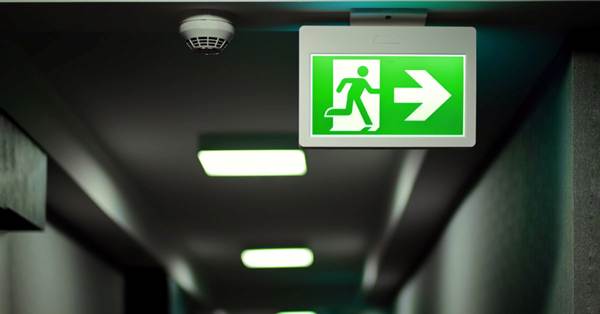
When a fire emergency happens, emergency lighting guides occupants through hallways, stairwells, exits, and other key areas of abuilding. It keeps critical paths visible so people can move toward safety with fewer obstacles or points of confusion. Emergency light integration withfire systems connects that lighting function with other parts of thebuilding’s emergency response, including alarms and backup power. Together,these systems support a more coordinated response when normal buildingconditions are disrupted.
Some parts of a building become harder to navigate than others when the lights go out. Emergency lighting is especially important along evacuation routes and in spaces where sudden darkness could make movement difficult or unsafe. Placement should reflect the building layout, occupancy,and the requirements that apply to the property.
Emergency lighting should be placed:
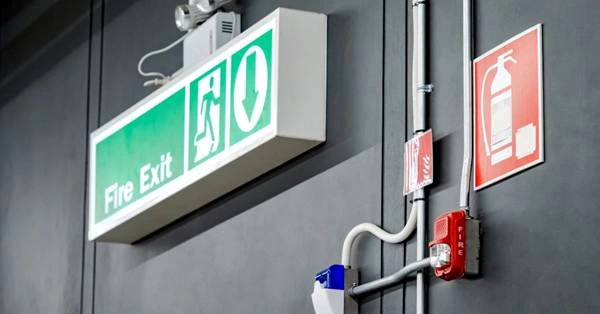
Integrating emergency light with fire systems mayinvolve coordination between alarm functions, normal electrical service, andbackup power, depending on the building's design. The way these systems worktogether can vary from one property to another. The following conditions caninfluence how emergency lighting operates during a fire or power event.
Emergency lighting is often designed to respond when normalelectrical power is interrupted. Once that happens, designated fixtures canswitch to an emergency power source and continue illuminating key areas. Thisallows exit routes and other critical spaces to remain visible even when therest of the building goes dark. How quickly and reliably that switch happens depends on the equipment and electrical setup in place.
Backup power is what allows emergency lighting to keep operating after normal power is lost. Depending on the system, that power maycome from built-in batteries, a centralized battery system, a generator, oranother approved source. Regular testing can confirm that the backup source isready to support the lighting when needed.
Fire alarm activation doesn’t always turn on emergencylighting directly. In some buildings, however, the alarm system may signallighting controls to change how certain fixtures operate during an emergency. This can include bringing specific lights on or overriding normal lighting controls, depending on the design.
How these systems work together depends on the building’selectrical design and installed equipment. Wiring, control panels, backup powersources, and programmed sequences can all affect what happens when an emergency occurs. Renovations or equipment upgrades may also change those relationshipsover time. Facility managers should make sure testing reflects the currentsetup rather than relying on how the system was originally designed.
Emergency lighting requirements can vary depending on how abuilding is used, how it’s laid out, and which codes apply. Because thesesystems are part of a larger life safety setup, their placement and operationshould reflect the specific conditions of the property. Local authorities mayalso have expectations for how the system must be installed, tested, andmaintained.
To determine whether emergency lighting is properly set upfor the building, review the following details:
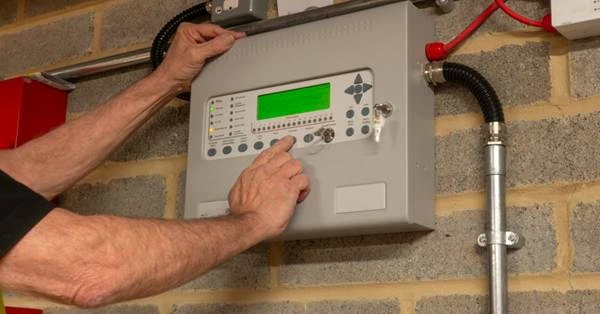
Testing can reveal problems that aren’t obvious duringnormal operation. Testing intervals and procedures should follow therequirements that apply to the equipment, property, and local jurisdiction.
Emergency lighting is only one part of a building's broader fire safety plan, so there may be times when multiple systems need to be reviewed together. Hedrick Fire Protection provides fire protection services in Los Angeles for commercial facilities, including equipment inspection, testing, and installation. These services verify that fire protection equipment is functioning properly and remains ready for an emergency.
Changes to walls, exit routes, electrical circuits, orcontrol equipment may alter how fixtures are positioned or powered. After arenovation, testing can confirm that emergency lighting still covers theintended areas and responds correctly. This is especially important when firealarm, electrical, or backup power systems have also been modified.
Emergency lighting problems aren't always obvious during normal daily operations. Some issues only appear when normal power is interrupted or when the system goes through scheduled testing. Failed tests, weak output, damaged fixtures, or unreliable backup operation are all signs that the system should be evaluated.
When an emergency light doesn’t turn on as expected, theproblem may come from the battery, lamp, charging components, electricalconnection, or another part of the fixture. If several lights fail at once, theissue may extend beyond individual equipment.
Emergency lights don’t have to fail completely to indicate a problem. Fixtures may appear unusually dim or leave portions of an exit route poorly illuminated. The issue could involve aging lamps, weak batteries, damaged fixtures, or changes in the surrounding space. Checking illumination during testing can reveal problems that a simple on-or-off inspection might miss.
An emergency light may switch on successfully and still failif its backup source can't sustain operation. During testing, lights thatquickly dim or shut off may indicate deteriorated batteries or another problemwith the emergency power supply. That becomes especially important when onecentralized source serves multiple fixtures or areas.
A strong emergency response depends on several building systems doing their jobs at the right time. Integrating emergency lighting with fire systems can create better coordination between visibility, alarm functions, and backup power when conditions change quickly. That connection also gives facility managers a clearer basis for testing how the systems perform together. Contact Hedrick Fire Protection to upgrade, repair, or maintain your facility’s fire protection systems.