
Combining Fire Protection With Building Access Control
October 19, 2026

October 19, 2026
A locked door may keep unauthorized visitors out, but what happens when a fire alarm sounds and occupants need to leave? Combining fire protection with building access control allows these systems to coordinate emergency responses while maintaining security. This guide explains how the systems connect, what happens to access-controlled doors during a fire, and what it takes to keep everything working properly.
Fire protection and access control systems serve different purposes, but they can work together to support building safety. Fire protection equipment detects potential fire emergencies, while access control devices manage who can enter certain areas. Connecting these systems allows designated doors to respond to fire alarm signals without compromising required emergency exits.
Fire protection systems use several components to detect hazards and respond to emergencies. Smoke detectors and heat detectors can send signals to a fire alarm control panel, which processes the information and activates designated notification devices. Depending on the system design, the panel may also send signals to connected access control equipment to release certain doors.
Access control systems use electronic devices to manage entry into a building's restricted areas. Card readers and keypads identify users, while controllers process access requests and operate connected locking hardware. Security requirements may remain the same during an emergency, but occupants still need a safe way to exit the building.
When a designated alarm condition occurs, the fire alarm control unit can send a signal through an approved interface. That signal may reach an access control controller or directly interrupt power to certain locking devices. The connected equipment then responds according to its configuration, such as releasing a lock when required.
To combine fire protection with building access control, designers first need to identify which doors must respond to fire alarm signals. Not every door needs the same response, and some locking arrangements require specific release methods. Installers can choose compatible components and configure the connections to ensure each door responds as intended.
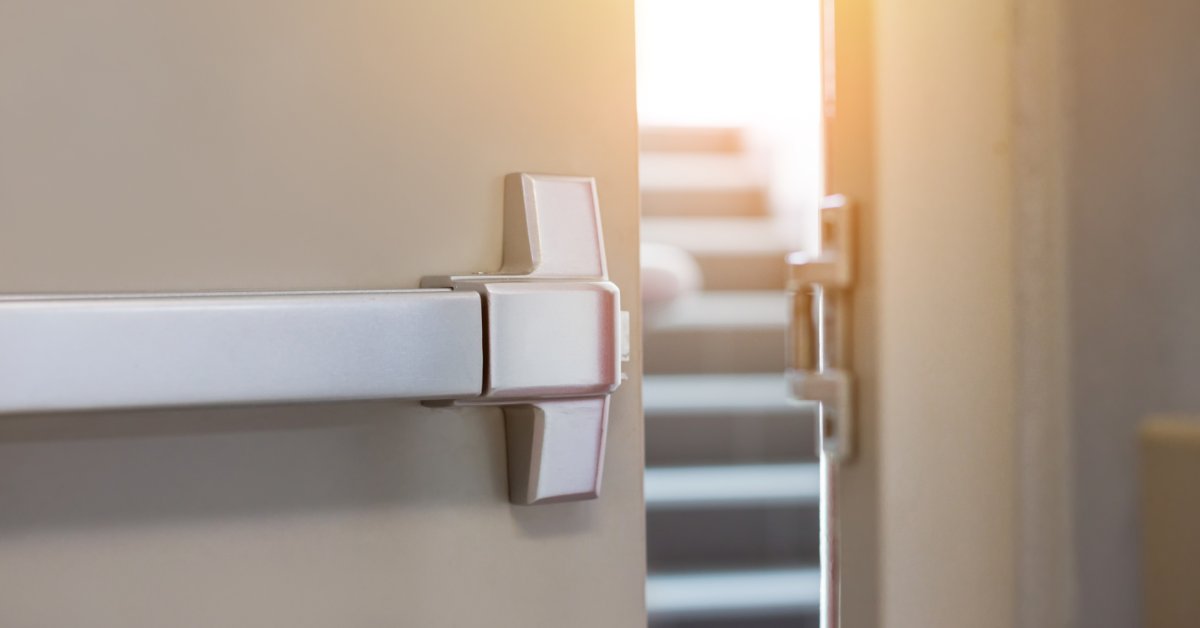
Some electronically controlled doors release automatically when a designated alarm activates. Others let occupants exit through mechanical hardware without an alarm signal. The right arrangement depends on the door's purpose and location, as well as the applicable building and fire codes.
Different types of doors have specific emergency exit requirements:
Fail-safe locks unlock when electrical power is removed, while fail-secure locks remain secured against entry. Both types can suit access-controlled doors, depending on their function and applicable code requirements. For example, a fail-secure lock may still allow occupants to leave through mechanical exit hardware, even when the outside remains locked.
An access control system shouldn't prevent people from using required exits during an emergency. Doors along evacuation routes must have locking and release arrangements that meet applicable building and life safety codes. Depending on the door, occupants may exit using mechanical hardware or an approved electronic release mechanism.
Also consider how these doors will function if the building loses power. Required exit routes must remain usable under the conditions specified by the building's approved design, including when access control equipment stops receiving electricity. Facility managers should regularly check door hardware and emergency release devices to identify problems that could interfere with evacuation.
Integrating fire protection and access control starts with understanding how a building is used and which areas need restricted entry. Existing equipment also affects the design, since electronic locks and controllers aren't always compatible with every fire alarm interface. Reviewing these details before installation can prevent equipment conflicts and reduce the need for later modifications.
Several factors influence how the systems should be connected:
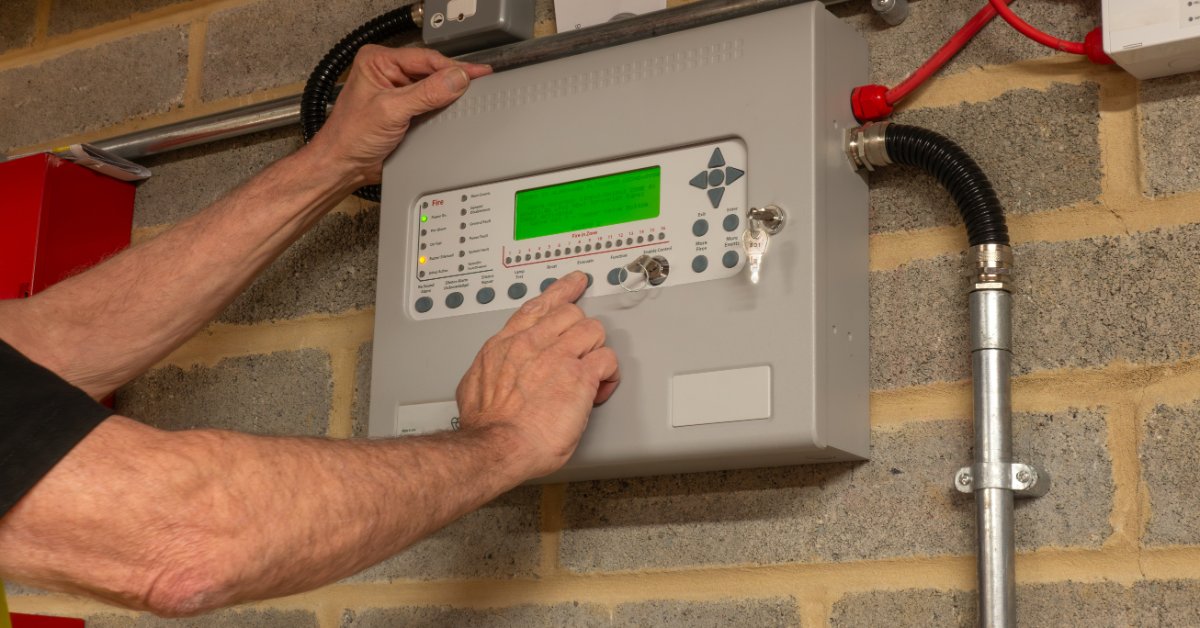
Once the systems are connected, testing confirms that fire alarm signals produce the correct response at each designated door. It can also uncover wiring faults or programming changes that prevent equipment from operating as intended. These problems aren't always obvious during everyday building operations, so periodic testing is an important part of system maintenance.
Testing procedures should reflect the building's approved design and the requirements that apply to its equipment. Fire alarm technicians and access control specialists may need to coordinate to properly evaluate the connections. Documenting the results gives facility managers a record of system performance and identifies any issues that need correction.
Keeping fire protection and access control systems connected properly requires ongoing maintenance. Replacing a lock or updating security programming may affect how a door responds to fire alarm signals, even if the change seems minor. Before modifying connected equipment, facility managers should coordinate with qualified technicians to confirm that required safety functions won't be affected.
Routine inspections can also identify damaged components and faulty connections that might otherwise go unnoticed. Qualified fire protection services support the inspection, testing, and maintenance of fire safety equipment. When issues involve electronic locks or security programming, an access control specialist may also need to participate.
Managing building safety becomes more complicated when multiple systems depend on one another. Updating security or replacing equipment may require input from both fire protection and access control specialists. With clear coordination between system designers, service providers, and facility managers, buildings can maintain security while keeping emergency exits accessible.