

Are E-Bikes Allowed to Charge in Your Commercial Building?
8/17/2026
8/17/2026
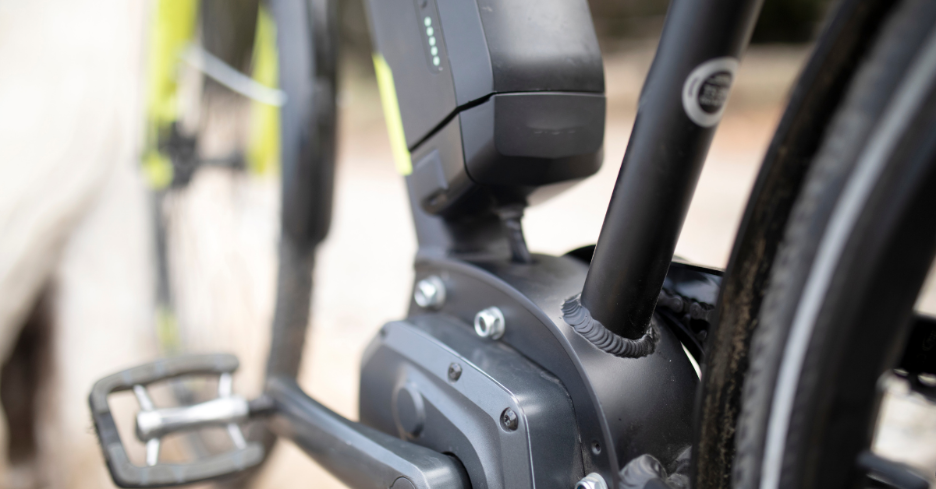
Your tenants started bringing e-bikes into the building months ago. A few delivery workers are charging them in the stairwell. A property manager is plugging one in overnight in the back office. A retail tenant has three sitting on chargers in a corner of their stockroom. Nobody asked for permission, nobody flagged it as a fire risk, and nothing has happened yet, so it hasn't made it onto anyone's radar as something requiring a formal response. That is exactly the kind of drift that fire codes are now specifically written to address, and commercial building owners are the ones who bear the compliance and liability exposure when it goes unmanaged.
E-bike and lithium-ion battery fires in commercial buildings have increased sharply year over year. New York alone recorded 277 lithium-ion battery fires in 2024, compared to 268 in 2023, and Toronto saw a 90 percent increase in related fires from 2022 to 2023, followed by another 38 percent increase the year after. The 2024 editions of both NFPA 1 and the International Fire Code introduced new requirements specifically targeting commercial charging and storage of these devices, and new fire classifications are being established in 2026 to recognize that lithium battery fires behave in ways that conventional suppression systems were never engineered to handle. Before you assume this is someone else's problem to manage, here's what these fires actually do to a commercial building's suppression system, what the updated codes now require of you as a property owner, and where your current fire protection setup almost certainly has a gap you don't know about yet.
What to Do Right Now
Why Your Existing Suppression System May Not Be Enough
Most commercial building owners look at a functioning, recently inspected sprinkler system and reasonably assume it represents adequate fire protection for whatever happens inside the building. With conventional fires, that assumption is largely correct. With lithium battery fires, it is not, and the gap between the two is significant enough that updated fire codes are now treating them as a fundamentally different hazard category.
Thermal Runaway Doesn't Behave Like a Normal Fire
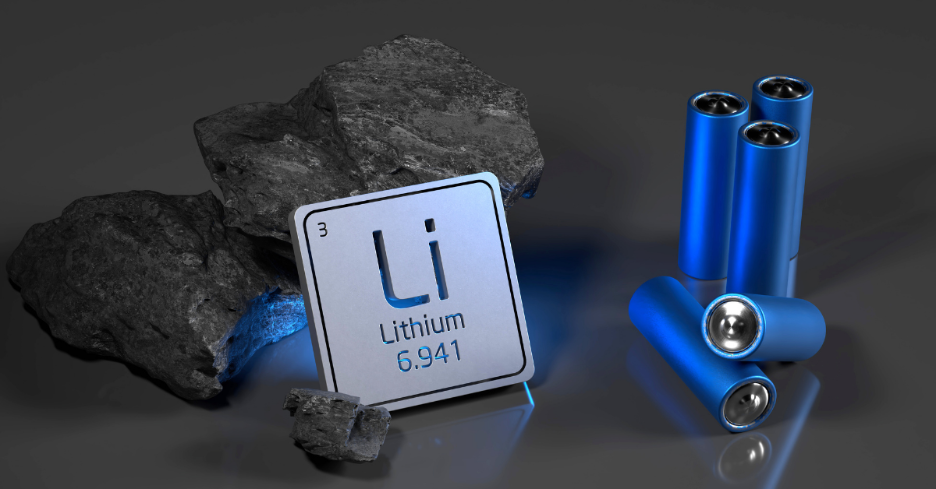
The assumption most people carry about fire suppression is that water or chemical agent applied quickly enough will knock a fire down. Lithium battery fires produce a phenomenon called thermal runaway, a self-sustaining chemical chain reaction inside the battery cells that generates its own heat faster than any external suppressant can remove it. Water-based suppression fails to achieve final extinguishment in approximately 85 percent of lithium battery fires due to reignition, according to NFPA data, because the chemical reaction driving the fire is happening inside sealed cells that water cannot penetrate. A sprinkler system activating over a burning e-bike will control flame spread to surrounding materials and protect the structure, exactly what it's designed to do, but it will not necessarily extinguish the battery fire itself. The cells can continue reacting, and the fire can reignite after suppression appears complete, which is why extended monitoring after apparent extinguishment is now explicitly addressed in newer code guidance. Understanding that your sprinkler system is limiting the damage rather than ending the event changes how you think about where in your building these devices should be permitted to charge.

The Suppression System Wasn't Designed for This Hazard Classification
NFPA 13, which governs sprinkler system design for most commercial buildings, does not currently include prescriptive fire protection criteria specifically for lithium-ion battery storage, which means the system protecting your building was engineered against fire loads that almost certainly did not include e-bikes. Whether your existing sprinkler density and head placement is adequate to limit spread from a lithium battery fire in a specific room or corridor is a hydraulic calculation that needs to be made against the actual hazard, the battery's energy density, the quantity of devices, the proximity to combustible materials, not assumed from a general compliance certificate. The 2024 International Fire Code expanded coverage to include all lithium battery types stored commercially, including e-bike batteries, and requires that storage areas meeting certain thresholds must have fire suppression systems, smoke and heat detection, explosion control ventilation, and emergency response signage. If your building has tenants storing and charging these devices in ordinary storage rooms or common areas without any of those provisions, the gap between what's there and what's now required is worth understanding before a fire marshal arrives to explain it.
The Code Requirements Are Already Active
The 2024 edition of NFPA 1 now includes specific requirements for commercial spaces charging more than five powered mobility devices, which is a threshold many commercial buildings with delivery-oriented or mixed-use tenants are already exceeding without realizing it constitutes a regulated activity. San Francisco enacted fire code legislation in March 2024 requiring that charging more than five powered mobility devices triggers mandatory fire safety system requirements, including sprinkler coverage and smoke detection specifically in the charging area. Municipalities across the country are following with their own local amendments, and the trajectory of enforcement is clearly toward stricter requirements rather than looser ones as incident numbers continue to rise. Waiting for your jurisdiction to formally adopt and begin enforcing updated standards is a viable strategy right up until a fire occurs during that window, at which point the fact that local adoption wasn't yet complete does not change your liability exposure as the property owner.
LIABILITY WARNING: If a lithium battery fire occurs in your commercial building in a location where e-bikes or other powered mobility devices were being stored or charged without your knowledge or formal policy, the relevant question for your insurance carrier and for any resulting litigation is not whether you knew about it, it's whether you took reasonable steps to know. A property owner who never assessed the hazard, never inventoried charging locations, and never evaluated their suppression system against the new code requirements is in a materially different liability position than one who did. The 2024 IFC and NFPA 1 updates have made the standard of reasonable care explicit; operating without awareness of them is no longer a defensible position.
Closing the Gap Between What's in Your Building and What's Protecting It
You shouldn't have to wait for a fire, a fire marshal, or an insurance audit to find out whether your building's current suppression and detection setup is adequate for the way your tenants are actually using the space.
When Hedrick Fire Protection evaluates a commercial building for lithium battery fire exposure, we're not running a general inspection against historical building records. We look at where charging is actually happening, calculate whether the existing sprinkler coverage and detection placement addresses the specific thermal runaway hazard in those locations, identify whether current device quantities have crossed any NFPA 1 or local code thresholds that trigger additional protection requirements, and give you a clear picture of what the gap is between your current system and what the updated standards now require before that gap becomes a citation, a denied insurance claim, or something worse.
Do you know whether the e-bikes and powered mobility devices in your commercial building are being charged in locations your suppression system was actually designed to protect? Click here to contact the Fire Sprinkler and Compliance Team at Hedrick Fire Protection to schedule a lithium battery hazard assessment today.