
3 Things Each Employee Must Know About Commercial Fire Alarm Panels
6/30/2026
6/30/2026
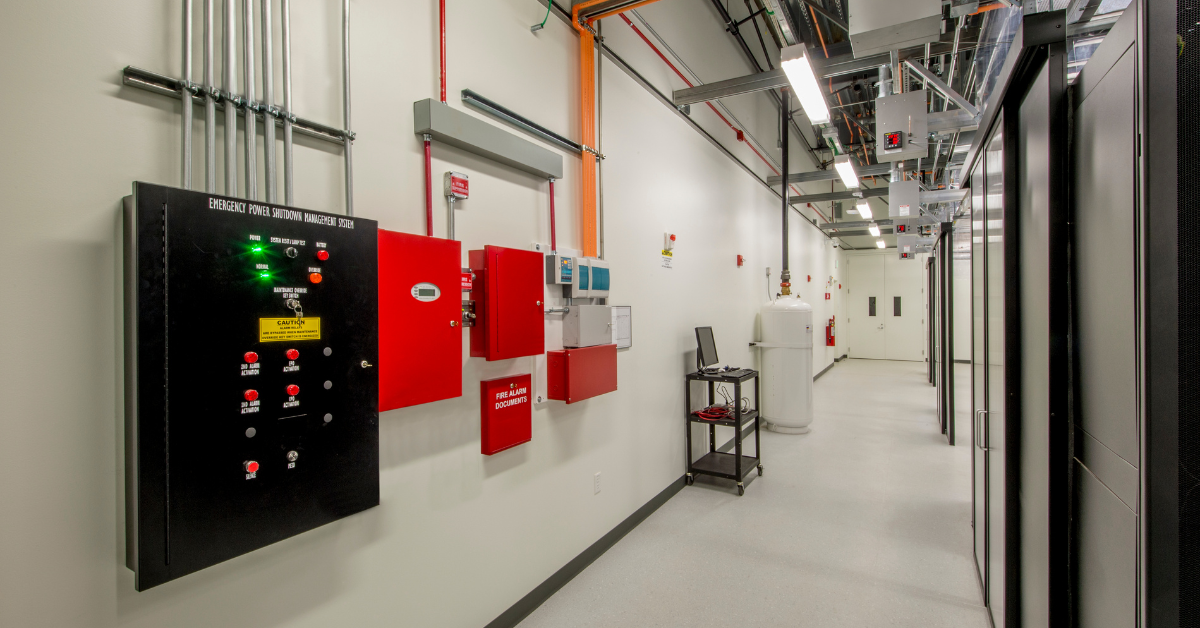
It is the middle of a busy afternoon and the red metal box on the wall in your lobby starts emitting a piercing, repetitive beep. Your shift manager panics. They do not see any smoke, but customers are staring, and the noise is disrupting the entire business. In a desperate attempt to stop the sound, the manager starts pushing random buttons, accidentally disabling the system or completely erasing vital diagnostic data.
Your front line staff members are the first responders to your building safety infrastructure. If they do not know how to interact with the main control board, minor maintenance issues quickly spiral into massive liabilities and expensive service calls. Before the next shift begins, here is your emergency guide to the three critical rules every employee must understand about your fire alarm panel.
If your alarm panel is currently sounding off, instruct your staff to follow this immediate protocol before they press any buttons.
Fire alarm control panels are complex computers designed to monitor hundreds of devices simultaneously. However, interacting with them during a non-emergency situation only requires understanding a few basic concepts. Here is exactly what your staff needs to know.
The Problem: Employees completely misinterpreting the severity of a system alert.
The Cause: Fire alarm panels communicate in a very simple color code, but untrained staff assume any beep means a fire. A red light means "Alarm" and indicates active smoke, heat, or water flowing through the sprinkler pipes. A yellow light means "Trouble" or "Supervisory," indicating a mechanical issue like a dead backup battery or a closed sprinkler valve.
The Consequence: If an employee ignores a red light thinking it is just a glitch, lives are put at severe risk. Conversely, if they trigger a full building evacuation and call 911 for a yellow low battery light, your business suffers thousands of dollars in needless operational downtime and potential nuisance alarm fines from the city.
The Problem: Employees manually erasing the digital history of a system failure.
The Cause: When a panel beeps continuously, human nature dictates finding the biggest button that says "Reset" and holding it down to make the noise stop. Staff members just want to get back to work.
The Consequence: Hitting reset wipes the short term memory of the panel. When your fire protection technician arrives to fix the issue, they have no idea which specific smoke detector or wiring zone triggered the original fault. The underlying electrical short remains broken, leaving your building unprotected and guaranteeing the panel will simply start beeping again in a few hours.
The Problem: Staff suffering through hours of a piercing beep, leading to severe frustration and poor decision making.
The Cause: Employees are terrified to touch the panel at all because they fear breaking it. As a result, they let the local sounder continue to beep loudly into the lobby while waiting for a technician to arrive.
The Consequence: The noise drives away customers and heavily stresses out your team. Staff need to know that pressing the "Acknowledge" or "ACK" button is perfectly safe and highly recommended. Pressing this button simply tells the computer that a human has seen the yellow trouble light. It silences the annoying localized beep without disabling the system, and it preserves the critical diagnostic data the technician needs.
LIABILITY WARNING: According to NFPA 72 regulations, fire alarm systems must be maintained in a fully operational condition at all times. Instructing employees to permanently bypass, silence, or ignore a recurring trouble signal without calling a licensed technician is a direct violation of commercial fire codes. If a fire occurs while the system is manually impaired, your commercial insurance claim will likely be denied.
Your staff should only have to interact with your fire alarm panel in rare emergencies. If your board is constantly flashing yellow trouble lights, you are operating on borrowed time. You need a permanent solution, not just another push of the acknowledge button.
When you partner with Hedrick Fire Protection, our licensed technicians do more than just swap out dead batteries. We use diagnostic tools to trace complex ground faults through your entire building, repair damaged conduit, and ensure your panel is communicating flawlessly with your central monitoring station. While on site, we also take the time to educate your facility managers on exactly how to read the system display safely.
Is your alarm panel currently throwing a trouble code? Stop relying on temporary fixes and uncertified staff to manage your life safety equipment. Click here to view our Alarm Services to restore your system to perfect health today. Have questions? Contact our team at Hedrick Fire Protection to get the help you need.