
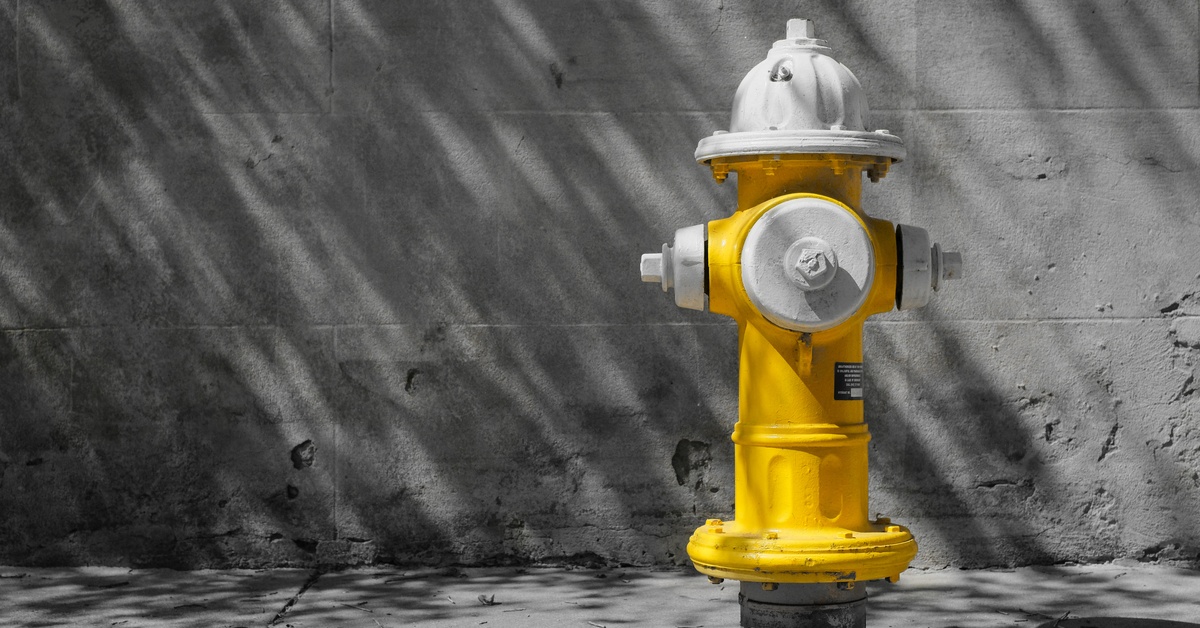
What To Do if a Fire Hydrant Is Seized Shut
12/9/2025
12/9/2025
As a business owner or facility manager, safeguarding your property and the people within it is always a top priority. This is why a dependable fire hydrant is an essential asset on commercial sites, providing firefighters with quick, reliable access to water in emergencies.
But if one of your hydrants shuts down during a fire, emergency responders will lose valuable response time. Plus, you will leave your building, assets, and day-to-day operations exposed to unnecessary danger. This makes it essential to understand what to do if a fire hydrant is seized shut.
A seized fire hydrant isn't just a minor setback, it represents a critical liability for any business facility. Seizure occurs when the operating nut or the internal stem and valve stiffen, preventing water from flowing as needed.
Corrosion can cause these problems, particularly in older hydrant installations or properties located in areas with high humidity or frequent rainfall. Infrequently used hydrants can suffer from dried lubricants and internal mineral or sediment buildup, which can lock mechanisms in place.
Beyond natural wear, vandalism and unauthorized tampering often result in seized hydrants. For example, improper shutoff methods, such as closing the hydrant too abruptly or overtightening the nut, can cause subtle but lasting damage to threads and internal assemblies.
A strong preventative protocol is the most effective response. For property management teams overseeing commercial or industrial facilities in major regional hubs like Ontario, the first step for facility managers is to identify risk factors in their infrastructure and ensure they catch small issues early. To learn more about how subtle wear patterns compromise underground hardware over time, read our baseline overview on why fire hydrants fail. Establishing a system to check for and address early signs of trouble will help prevent emergencies, costly legal issues, and repair bills down the line.
Timing is everything during a fire emergency. If a hydrant seizes up, firefighters must scramble to find alternate water sources. This can mean dragging hoses from a remote main, stretching municipal resources thin, or waiting for water tenders to arrive. Not only does this delay fire suppression efforts, but it also exposes your property, inventory, and especially your employees and customers to significantly heightened risk.
The business impact extends well beyond fire risks. Insurance inspections and state fire marshal reviews explicitly require clear, working hydrant access. Failed compliance can trigger hefty fines, shutdowns, or loss of insurance coverage. Simply put, operational hydrants are non-negotiable for any professional operation.

After reviewing why fire hydrants seize and the effects they can have, we can now look at how you should react if you find that a hydrant on your property does not work. First, avoid the temptation to fix it yourself. Using excessive force or unapproved tools can shear off stems, strip nuts, and escalate a routine service call into an emergency replacement.
Instead, begin with a thorough visual inspection. For example, look at the hydrant's operating nut. Is it deformed, stripped, or obviously rusted? Check whether caps are missing or damaged, which can allow rainwater and stones to enter the hydrant and foul the mechanism.
Survey the unit for cracks, fresh paint indicating poor maintenance masking, or signs of tampering. Observe any external factors, such as shifting pavement or altered landscaping, that can create stress along water main connections.
When dealing with critical safety infrastructure like fire hydrants, there's no substitute for trained, certified experts. Qualified fire protection technicians know exactly what to do if a fire hydrant is seized shut. They possess the specialized equipment, technical training, and on-the-job experience necessary to diagnose and address common hydrant issues on business properties safely.
Their experience enables them to quickly discern whether they're dealing with a simple lubrication problem or a complex internal failure. This thorough approach prevents unnecessary damage, ensures municipal code compliance, and supports all insurance and legal documentation your business may require.
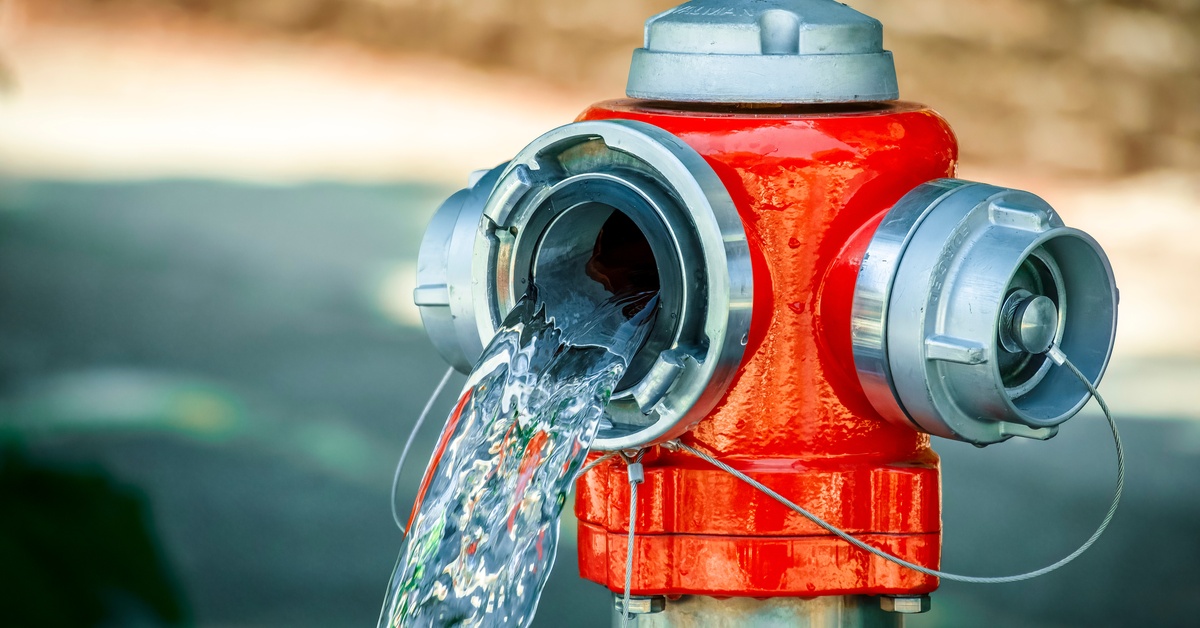
Once skilled technicians have clearly identified the problem with your hydrant, they will begin targeted repairs. Professionals will resolve cases where lubricants have dried or minor rust has appeared by carefully working professional-grade oils into the mechanism and cycling the moving parts without stressing vulnerable components. These minor interventions can quickly restore service at your facility.
Technicians can also replace worn or damaged washers, O-rings, or stems as required. Using specialized cleaning tools, they remove mineral buildup and corrosion from metal surfaces, then lubricate and reassemble everything precisely to the manufacturer's specification. Only after thorough testing is the hydrant returned to service, giving you confidence and full operational readiness.
Not every seized fire hydrant is a candidate for repair. Situations where corrosion has caved the structure, critical components have broken off inside, or the main valve has been destroyed will require complete replacement. Your fire protection partner will clearly communicate these findings and provide a transparent estimate for the work.
Replacement follows strict steps: certified technicians excavate around the hydrant to expose the water main connection, safely remove the defective unit, and install a new, code-approved hydrant that meets site requirements and local standards. Pressure checks, dye testing, and flow verification provide assurance that the new installation is both safe and fully compliant. While the process represents a more significant investment, the payoff is peace of mind, continued insurance coverage, and reliable emergency water access.
You can also play an essential role in this process by helping prevent future seized hydrants. Implementing a regular, robust preventative maintenance schedule, quarterly, semiannually, or per city regulations, can help keep every hydrant on your property fully functional.
For enterprise operators and building owners managing industrial parks or commercial assets in regional hubs like Rancho Cucamonga, partnering with an experienced service provider to execute detailed inspections, proper exercising procedures, and a thorough approach to hardware care is key.
Comprehensive maintenance involves lubricating moving parts, cycling hydrants through their full range of motion, checking nut and cap integrity, inspecting stem condition, and performing flow and pressure tests. For businesses, this service translates into fewer emergencies, full regulatory compliance, minimized liability, and documented proof of due diligence during audits or legal challenges. By making regular hydrant maintenance part of your facility's culture, you protect your operations, assets, and community.
Ensuring your fire hydrants are operational should always be part of your facility's strategic safety plan. Providing your hydrants with this care will help prevent your business from being exposed to avoidable risks or costly downtime.
Hedrick Fire Protection can help you in this process with our fire hydrant repair services. Reach out today to schedule a time for us to inspect your hydrant or make the repairs it needs to become a reliable protector of your property again.