
What Restaurant Builders Need To Know About Fire Protection
December 29, 2025

December 29, 2025
Opening a new restaurant involves countless steps, from choosing menu items to creating the look of the building's interior. However, one of the most critical aspects of this process is ensuring that robust restaurant fire safety measures are in place from the very beginning.
This guide explains what restaurant builders need to know about fire protection to safeguard their investment as well as staff and future patrons. For commercial contractors and business owners launching new culinary venues in active regional markets like Chino, understanding these requirements ensures compliance and builds a secure foundation for long-term operational success.
The first step in building a safe restaurant starts with learning about fire codes and regulations. Local, state, and national codes, including National Fire Protection Association (NFPA) guidelines, dictate minimum safety standards for restaurant construction.
These standards define what precautions you must take to ensure safe operations. Tracking the specific fire code updates that affect businesses in 2026 is highly beneficial during the early design and planning phases. Builders and owners must collaborate closely with local officials at every planning stage to guarantee that all fire safety systems meet or exceed current jurisdictional regulations.
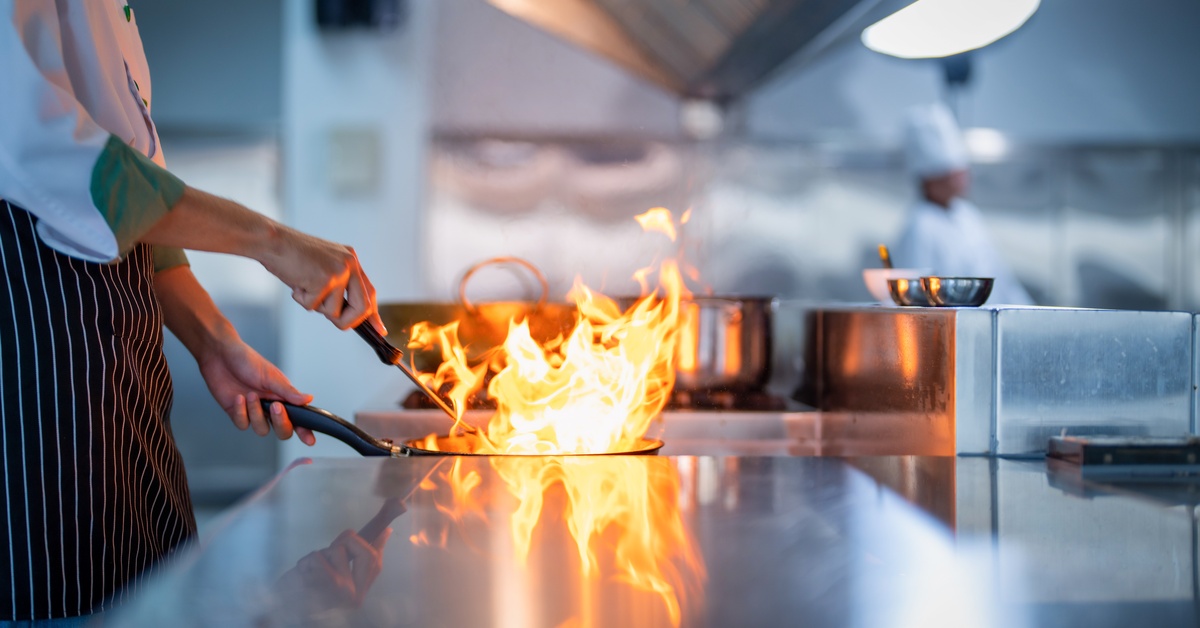
The restaurant industry faces unique fire hazards that are critical for operators to be aware of. The high-powered appliances, grease buildup, and electrical wiring in kitchens all increase the risk of fire. Understanding these potential threats allows you and your construction team to address weak points before opening day. Conducting a site-specific risk assessment will ensure that your fire protection measures match the realities of the restaurant.
Something else that restaurant builders need to know about is the critical role that kitchen fire suppression systems play in protecting their investments. Open flames, high heat, and flammable oils can cause devastating blazes that threaten staff and customer safety. These threats make suppression systems essential. For example, specialized systems can quickly extinguish grease fires with wet chemical agents and prevent them from spreading. Correct installation and seamless integration with appliances and hoods are essential for reliable protection when seconds count. Some kitchens may also require additional components such as automatic shut-off valves for gas lines and manual pull stations, all of which work together within a unified suppression system.
An advanced system will activate instantly upon detecting heat or flames, releasing suppressant directly onto the source while triggering an alarm and shutting down fuel sources. This level of integration is essential in today's commercial kitchens, where speed and accuracy are critical in stopping a fire before it becomes unmanageable. Contractors execute these setups according to parameters specified in the NFPA 96 ventilation and safety guidelines.
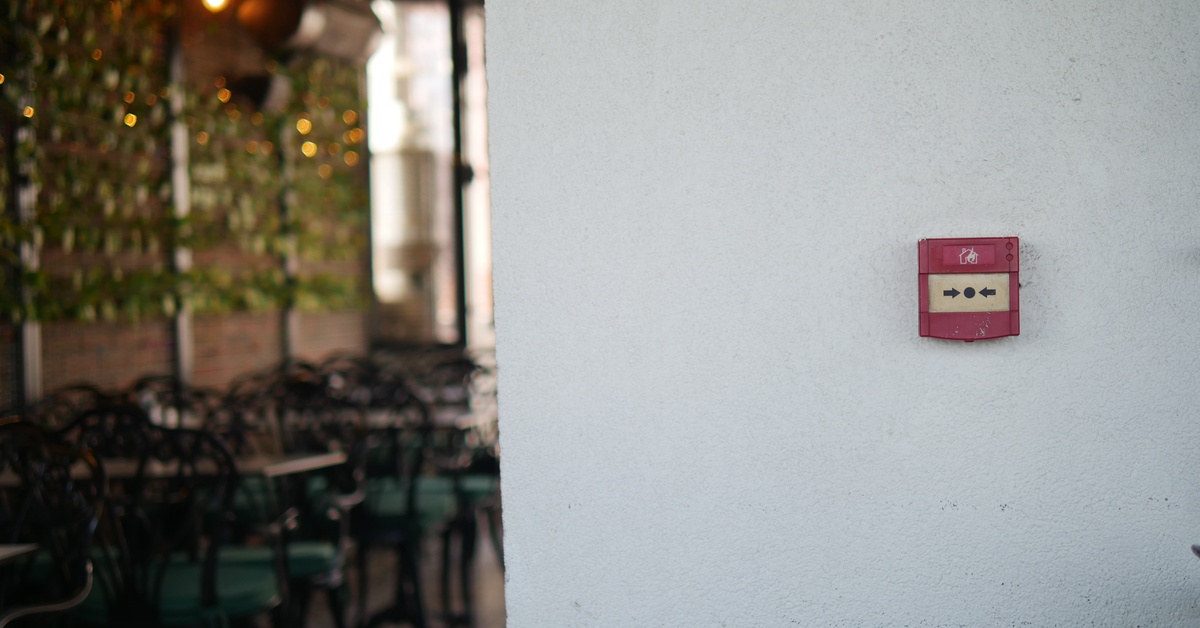
Restaurant owners must also understand the importance of fire alarms. Early detection provides critical time to take action and save lives. Commercial fire alarm systems should include smoke and heat detectors as well as manual pull stations, all integrated and connected to a central panel.
For restaurant developers and kitchen operators establishing new culinary venues in active regional markets like San Bernardino, linking the system to kitchen suppression and sprinkler systems creates a unified network that activates at the first sign of danger for maximum benefit. Routinely testing and maintaining detection equipment also ensures that every component will work reliably in an emergency.
Modern fire protection isn't complete without advanced monitoring and notification. Alarm systems can connect to off-site monitoring centers that alert emergency services right away, reducing response times and damage. Visual and audible notifications in multiple languages can guide everyone to safety regardless of background or noise levels. Choosing systems with user-friendly control panels empowers staff to verify alerts and act quickly and decisively during emergencies.
In an emergency, visibility can make the difference between a safe evacuation and a hazardous situation. Designed to activate automatically when the main power supply fails, emergency lighting is a fundamental component of any restaurant's fire protection strategy.
This system ensures that all exit paths, stairwells, and corridors remain illuminated, preventing panic and guiding staff and patrons safely out of the building. Without reliable emergency lighting, a power failure during a fire could plunge the building into darkness, creating confusion and increasing the risk of injury.
Proper ventilation is critical for both fire prevention and air quality. Exhaust hoods and ductwork must be able to capture grease-laden vapors and vent them safely away from cooking surfaces.
Regular cleaning schedules and the use of grease filters reduce buildup in ducts, which is a significant source of kitchen fires. Restaurant builders must coordinate with mechanical contractors to select equipment and maintenance plans that keep ventilation systems in peak condition, especially when managing strict safety baselines under modern commercial kitchen regulations.
The fire prevention systems and equipment are only as effective as the people operating them. Comprehensive staff training is a cornerstone of any successful fire protection strategy. Every team member must know how to identify fire hazards, respond quickly to alarms, and use fire extinguishers or suppression tools appropriately. Training should cover crucial procedures such as recognizing the signs of a kitchen grease fire, knowing the locations and operation of manual pull stations, and guiding guests to emergency exits.
Conduct regular fire drills at least quarterlyto reinforce these concepts and pinpoint areas for improvement. These exercises acquaint staff with evacuation routes and emergency lighting to reduce confusion in real situations.
Establish a transparent chain of command, designating team members who will lead evacuations, call emergency services, and communicate with authorities. This structure ensures swift, organized action when every second matters.
Prioritizing preparedness through training, frequent drills, and organized leadership gives your team confidence and readiness. A workforce equipped with this knowledge safeguards your business, protects your guests, and demonstrates your commitment to a safe, responsible restaurant environment.
Fire protection systems require expert design, installation, and regular service in order to perform as intended. By partnering with a respected fire protection company, you gain access to professionals who can handle system planning, permitting, installation, and testing. They can deliver peace of mind by confirming that every system meets code requirements, integrates seamlessly, and provides complete coverage against the unique fire risks that restaurants face. Consistent inspections and prompt service ensure ongoing compliance and performance.
A well-designed fire protection plan is a non-negotiable investment in your restaurant's safety and longevity. By understanding and implementing these essential components, you can create a secure environment for your employees and patrons.
Hedrick Fire Protection offers comprehensive expertise to help you build a safe, successful establishment from the ground up. Contact us today about installing a top-tier fire system for your restaurant so that you can prepare meals and serve guests with peace of mind.