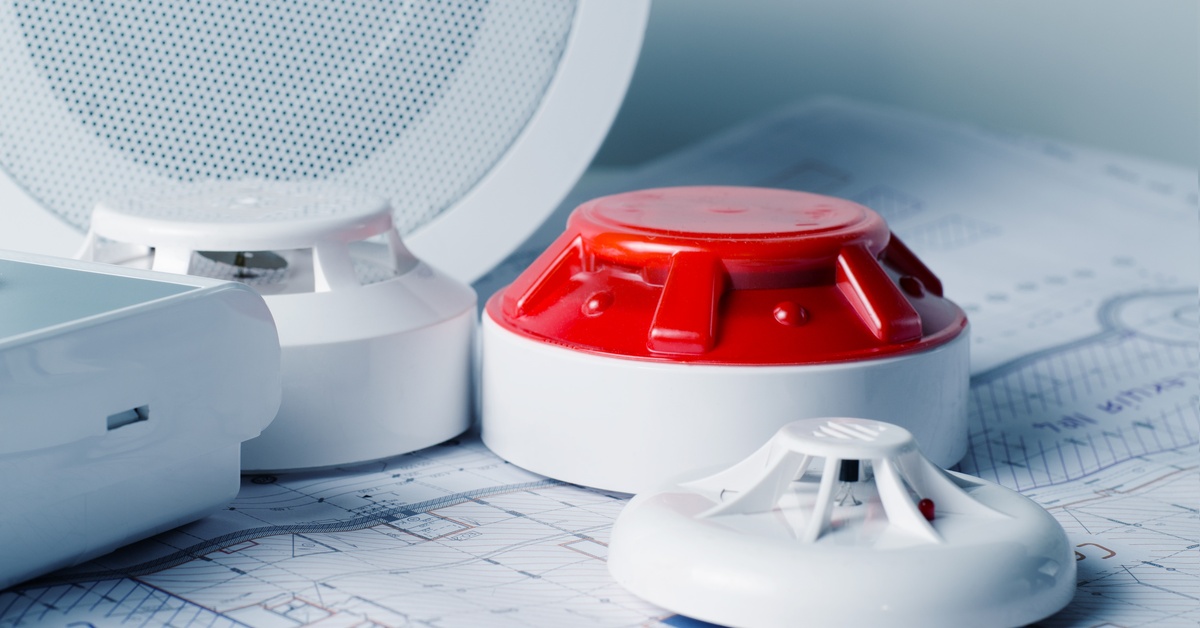
Signs Your Fire Alarm System Needs Immediate Service
January 12, 2026

January 12, 2026
A commercial fire alarm system is one of the most critical safety features in any facility, providing the first line of defense against a potential disaster. Business owners and facility managers carry the immense responsibility of ensuring this system functions flawlessly to protect people and property.
Although routine inspections are essential, the system can exhibit issues between scheduled maintenance appointments. Recognizing the signs your fire alarm system needs immediate service is key to maintaining a safe environment and ensuring compliance.
When your fire alarm system repeatedly emits false alarms, it is more than just a nuisance. These false alarms indicate an underlying problem with your fire alarm system. If your employees start to ignore alarms because they think they are fake, these conditions can create a dangerous sense of complacency that can have tragic consequences in a real emergency.
For property managers and business operators running facilities in commercial or industrial zones across Pomona, these disruptions also reduce productivity and can lead to fines from local fire departments responding to non-existent threats. Causes for false alarms can range from dirty smoke detectors and sensor malfunctions to electrical interference or improper system installation. Addressing this issue promptly is crucial for restoring confidence in your life safety equipment.
The fire alarm control panel is the brain of your entire system, constantly monitoring the status of all connected devices. A trouble signal, often indicated by a yellow light or an audible beep, signifies a fault within the system that could compromise its ability to function during a fire.
This is different from an alarm condition, which indicates the detection of smoke or fire. Trouble signals can point to a wide range of issues, including a low battery, a wiring problem, or a malfunctioning component. Ignoring a trouble signal is a serious risk, as it may mean your system will not operate as intended when you need it most.
Another sign your fire alarm system needs immediate service is visible physical damage. You should conduct regular visual inspections of all fire alarm components throughout your facility. Look for any damage to pull stations, smoke detectors, heat detectors, horns, and strobes.
People can accidentally damage systems while moving equipment or completing regular cleanings. A cracked smoke detector casing, a broken pull-station handle, or a damaged strobe light can render that device useless. Even seemingly minor cosmetic damage could hide more severe internal issues, making it essential to have any compromised component professionally inspected and repaired.
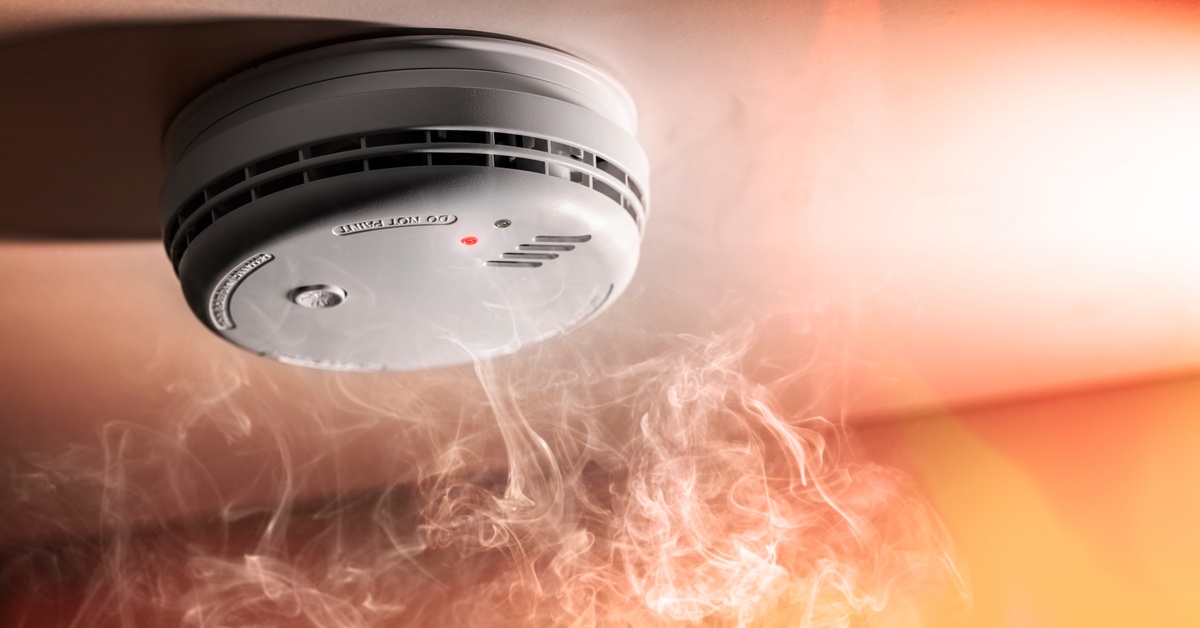
Fire alarm systems do not last forever. Manufacturers design smoke detectors, heat detectors, and other critical parts with a specific service life, which is typically around 10 years. Over time, the internal sensors can degrade, becoming less sensitive and therefore less reliable.
For facility managers and building owners operating commercial properties in thriving areas like Pasadena, using devices beyond their expiration date puts your facility at unnecessary risk because they may fail to detect a fire in its early stages. If you are unsure of your system's age or notice yellowed or discolored components, these are strong indicators that you need a professional evaluation to identify and replace outdated equipment. Building safety coordinators can cross-examine regional compliance baselines through the OSHA 1910.164 standard for automatic fire detection hardware.
Missing scheduled maintenance for your fire alarm system places your entire facility at risk. Routine inspections and servicing play a critical role in identifying worn components, ensuring all devices function properly, and verifying that the system complies with fire code updates that affect businesses in 2026.
When you do not maintain your systems, minor issues can go unnoticed, leading to undetected malfunctions or gradual system degradation. Failing to maintain equipment can also result in regulatory penalties and increased liability exposure.
A fire alarm control panel without power is completely non-functional. Although the panel should have a dedicated power circuit, issues can still arise. A tripped circuit breaker, a wiring fault, or a building-wide power outage can all cut off the primary power supply.
In these situations, the system's backup batteries should take over. However, if they are dead or malfunctioning, your entire facility will be left without fire protection. Any loss of power to the main panel requires immediate attention to diagnose the cause and ensure the backup power source is fully operational.

Random beeping or chirping from your fire alarm system is another symptom that warrants investigation. Unlike the steady beep of a trouble signal at the main panel, these sounds may emanate from individual smoke detectors or other components.
This chirping often indicates a low battery in a specific device, particularly in smaller, localized systems or wireless components. It can also signal a device malfunction or an intermittent wiring fault. Pinpointing the source of the sound and addressing it quickly prevents the system from failing unexpectedly.
Regularly conducting fire drills is a vital part of your facility's safety plan, testing both your evacuation procedures and the functionality of your alarm system. However, if any part of the system fails to operate correctly during a drill, it is a major red flag. This could include pull stations that do not activate the alarm, horns or strobes that fail to sound or flash, or monitoring services that do not receive the signal.
A failure during a controlled test means the system will almost certainly fail during an actual fire. You must treat any malfunction observed during a drill as an emergency requiring immediate professional service.
The effectiveness of smoke detectors depends on their ability to allow smoke to enter their sensing chambers. When detectors become covered in a thick layer of dust, dirt, grease, or paint, their ability to detect a fire is severely compromised.
This buildup can clog the vents and coat the internal sensors, potentially delaying or even preventing alarm activation. Regularly check detectors in areas prone to dust, such as manufacturing floors, warehouses, and kitchens. If you notice significant accumulation, the components need professional cleaning or replacement to restore their life-saving capability.
Protecting your employees, customers, and assets begins with ensuring your life safety systems are in perfect working order. If you spot any of these symptoms, have technicians provide maintenance to your fire alarm system immediately. Being proactive may protect your property and tenants from a devastating disaster.
One company that can provide you with dependable service in this area is Hedrick Fire Protection. In addition to specializing in commercial fire alarm installations, we offer repair and testing services. Contact us today to ensure your facility remains safe and compliant.