
How To Tell if a Kitchen Fire Suppression System Is Outdated
1/20/2026
1/20/2026
Operating a commercial kitchen comes with many responsibilities, including maintaining a tasty menu and providing high-quality customer service. However, there is no greater obligation than ensuring the constant safety of your staff, your patrons, and your property.
Although you may have implemented a kitchen fire suppression system, there is a chance that it may have outlived its usefulness. Read on to discover how to tell if it is outdated so that you can prevent a minor flare-up from becoming a catastrophic loss.
Decades ago, dry chemical systems stood as the industry standard for suppressing kitchen fires. These systems worked by smothering flames with a powder, which was effective against the animal fats used in older cooking methods.
However, the commercial cooking landscape changed drastically with the introduction of vegetable oils. Vegetable oils burn at much higher temperatures than animal fats, and dry chemical agents simply cannot cool the oil down fast enough to prevent re-ignition.
For restaurant operators and food service managers running culinary facilities in Riverside, if you look at your suppression tanks and see labels indicating dry chemical agents, you are operating with technology that experts deemed insufficient years ago. Modern kitchens require wet-chemical systems that saponify the burning oil, creating a thick foam blanket that cuts off oxygen while simultaneously cooling the superheated oil to prevent the fire from roaring back to life. Managers can trace these baseline chemical evolution rules through the NFPA 17 standard for dry chemical extinguishing systems.
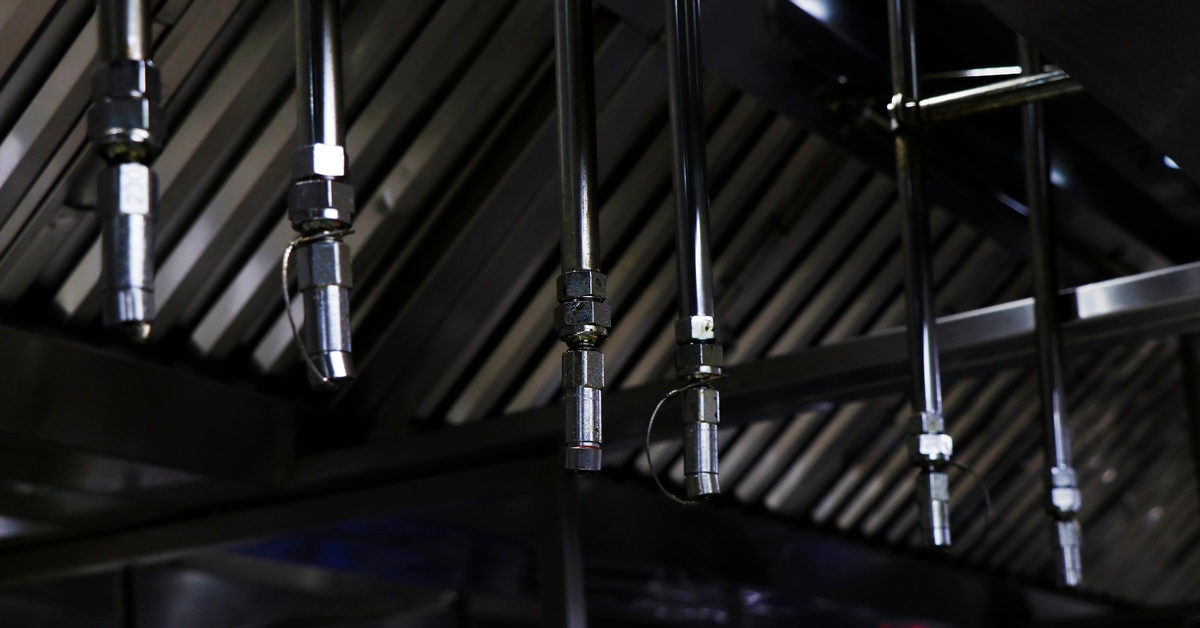
Commercial kitchens are harsh environments filled with grease, steam, and heat. Over time, these elements attack the metal components of your fire suppression system. When you inspect your hood, look closely at the discharge nozzles and the piping network running above your appliances.
Rust, heavy grease buildup that won't wipe away or green oxidation on copper or brass fittings indicates that you can no longer trust the material integrity of your system, putting your facility at serious risk of being red tagged by the fire marshal. Corrosion does more than just look bad; it weakens the metal and can clog the tiny orifices in the discharge nozzles.
In the event of a fire, a corroded pipe might burst under the pressure of activation, or a clogged nozzle might fail to spray the suppressant where you need it the most. Replacing these components is a critical step in ensuring the system functions correctly when the heat rises.
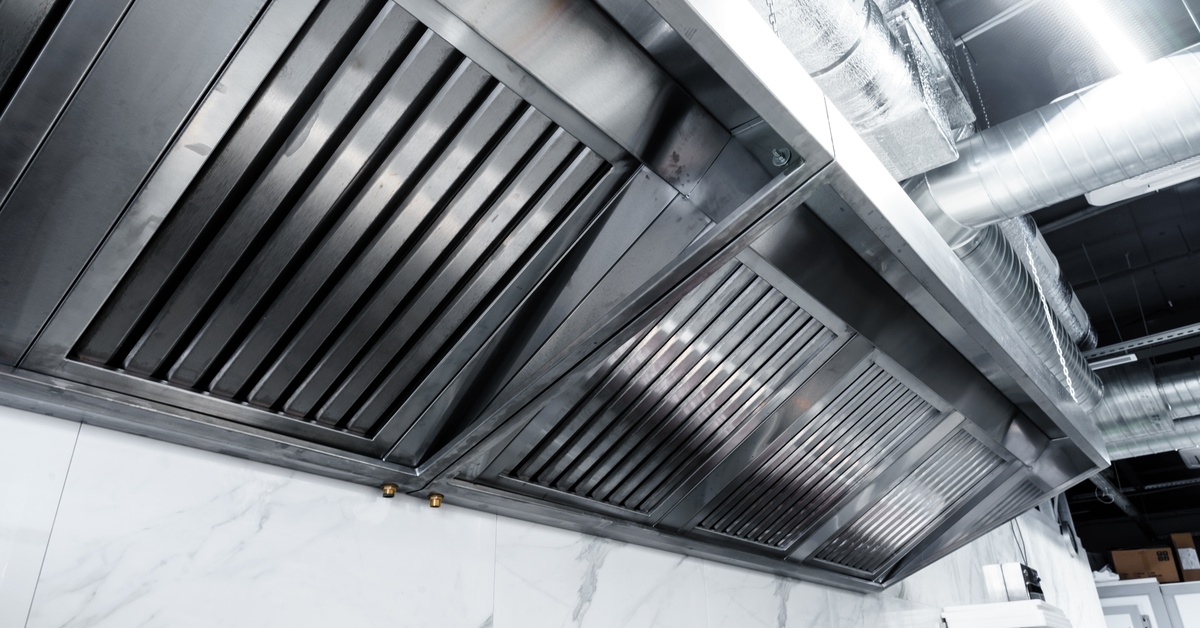
Another way to tell if a kitchen fire suppression system is outdated is if the manufacturer no longer supports your model. Companies constantly innovate to meet new safety standards and improve efficiency. Consequently, they eventually discontinue older models and stop producing replacement parts.
If your service technician tells you that they must search eBay for a spare part or that the manufacturer ceased production of your specific valve assembly a decade ago, you have a major problem. Operating an unsupported system means you are one broken part away from having no fire protection. Investing in a current, supported model ensures you have access to readily available parts and technicians who know exactly how to maintain your equipment.

Restaurant owners frequently update their kitchens to improve workflow or accommodate new menu items. You might swap a fryer for a griddle, move a range to a different spot, or add a high-efficiency charbroiler. However, for food service operators managing busy kitchen lines in expanding culinary markets like Fontana, many owners forget that fire suppression systems are site-specific, designed to the exact placement of appliances at the time of installation.
If your nozzles point at empty stainless steel countertops while your deep fryer sits unprotected two feet to the left, your system is effectively outdated. The system configuration no longer matches the hazard it needs to protect.
Every time you rearrange your cooking line, call a fire protection professional to re-evaluate and, if necessary, re-pipe the suppression system. Failure to do so means you are operating with a false sense of security.
Organizations frequently update fire safety regulations to reflect new research, modern cooking technologies, and improved safety standards. Staying aligned with recent fire code updates that affect businesses in 2026 is critical because a system that passed inspection five years ago might violate today's stricter mandates. You must view code compliance as a moving target rather than a one-time achievement.
Ignoring these shifting requirements creates significant financial and legal liabilities for your business. Local fire marshals issue steep fines for non-compliance and possess the authority to shut down your kitchen until you upgrade the equipment.
Furthermore, insurance providers often reject claims if they discover that your suppression system failed to meet current standards during an incident. You simply cannot afford to risk your coverage or your operating license on obsolete regulations.
Professional fire protection companies attach tags to your system after every inspection and service visit. These tags tell the story of your system's health and history. If you look at your system and see tags that date back several years, or gaps where you missed inspections, your system requires immediate maintenance.
Regular maintenance catches small issues before they become system-ending failures. Without these regular check-ups, internal seals dry out, activation cables stretch, and pressure gauges seize up. The absence of current tags suggests neglect, and neglect leads to malfunction. You need a consistent record of professional attention to prove compliance and assure yourself that the mechanism will trigger instantly when a flame flares up on the line.
A reliable fire suppression system stays dormant until a genuine emergency occurs. If your system discharges accidentally from minor bumps, vibrations, or non-fire heat spikes, it indicates that the mechanical components have worn or become overly sensitive with age. False discharges cause massive disruptions, forcing you to shut down, clean up toxic chemicals, discard food, and pay for a recharge.
Frequent accidental trips also suggest that the tension in the detection line is failing or the fusible links are no longer stable. Modern systems use more robust detection technology that better distinguishes between normal cooking heat and fire conditions.
You can lose money and credibility every time your kitchen shuts down for a false alarm. Replacing a jittery, hair-trigger system with modern, stable equipment protects your revenue stream and prevents the "boy who cried wolf" syndrome among your staff.
Recognizing these warning signs allows you to take proactive measures before a fire devastates your business. An outdated system offers nothing but a dangerous illusion of safety that can disappear the moment you need it most. You will demonstrate a commitment to your staff and customers by ensuring your safety equipment meets the highest modern standards.
Contact Hedrick Fire Protection today to upgrade to a restaurant fire suppression system that will help you meet that criteria in your kitchen. You can count on us to provide you with protection you can trust.