
How Long Does a Fire Sprinkler Installation Usually Take?
4/7/2026
4/7/2026
Fire sprinkler systems play a critical role in protecting commercial buildings, employees, and customers. However, when it comes time to add them, business owners and facility managers will want to know the project duration so they can plan ahead.
The blog can help you in that process. Read on to learn how long a fire sprinkler installation usually takes and what you can expect to happen during the process. If you already have a system in place and want to maximize its lifespan instead of a full replacement, take a look at our core strategies for maintaining fire sprinkler heads.
Let's begin by addressing the elephant in the room: you can expect the installation process in a commercial location to last multiple weeks. This is in contrast to a residential fire sprinkler installation, which may last up to three days.
If you're wondering, "Why is there such a large difference between the length of a commercial installation and a residential installation?", it is due to multiple factors. For property developers and facility directors coordinating new builds or retrofits in growing business sectors like Imperial, understanding them can help business owners and facility managers adjust their expectations
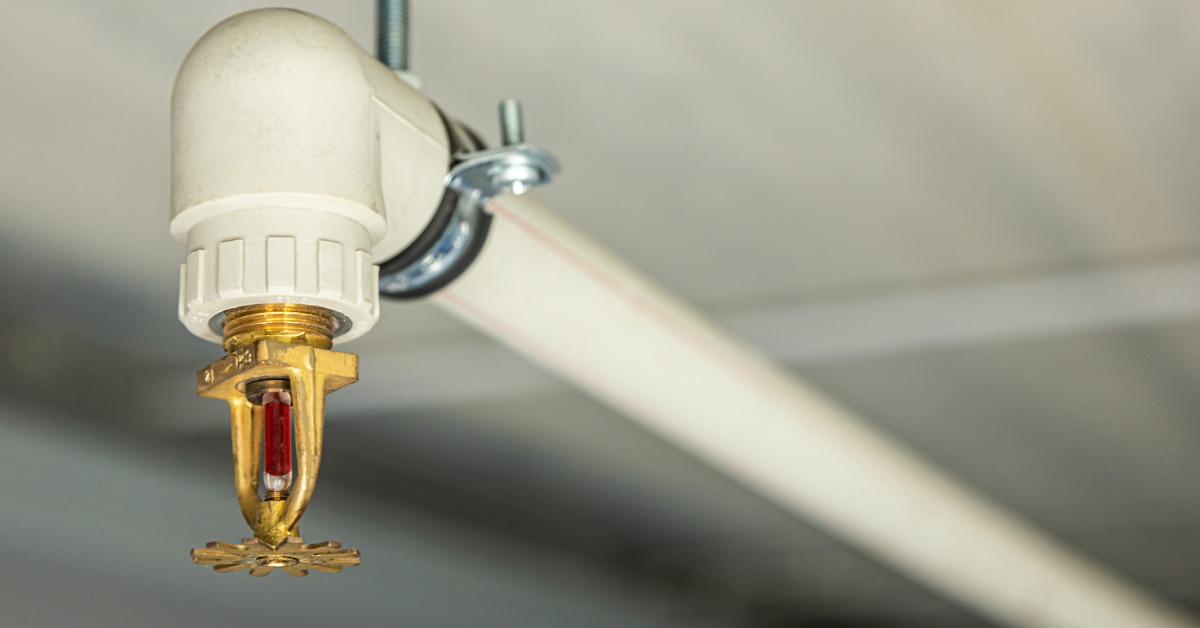
One thing that can affect installation length is building size. A small commercial tenant improvement may require only a limited branch-line extension, while a distribution center may require thousands of feet of piping. As square footage increases, installation time increases as well.
Ceiling height also plays a role. High ceilings require lifts, scaffolding, or specialized equipment, which can slow progress. Crews must follow strict safety procedures when working at elevation, and that adds time to the schedule.
The layout of your building can also affect your project's schedule. Open floor plans allow installers to run piping quickly and efficiently. However, buildings with multiple rooms, tight ceiling cavities, or decorative architectural features create additional challenges. Each wall penetration, soffit, or obstruction requires careful coordination and precise routing.
Older buildings may present unexpected conditions behind walls or above ceilings. Crews sometimes need to reroute piping to avoid structural elements or mechanical systems. These adjustments can extend the installation timeline.
Now that you know how long a fire sprinkler installation usually takes and why, let's look at what happens during these projects, which follow structured and carefully managed processes. Each phase ensures the system meets code requirements and performs reliably in an emergency.
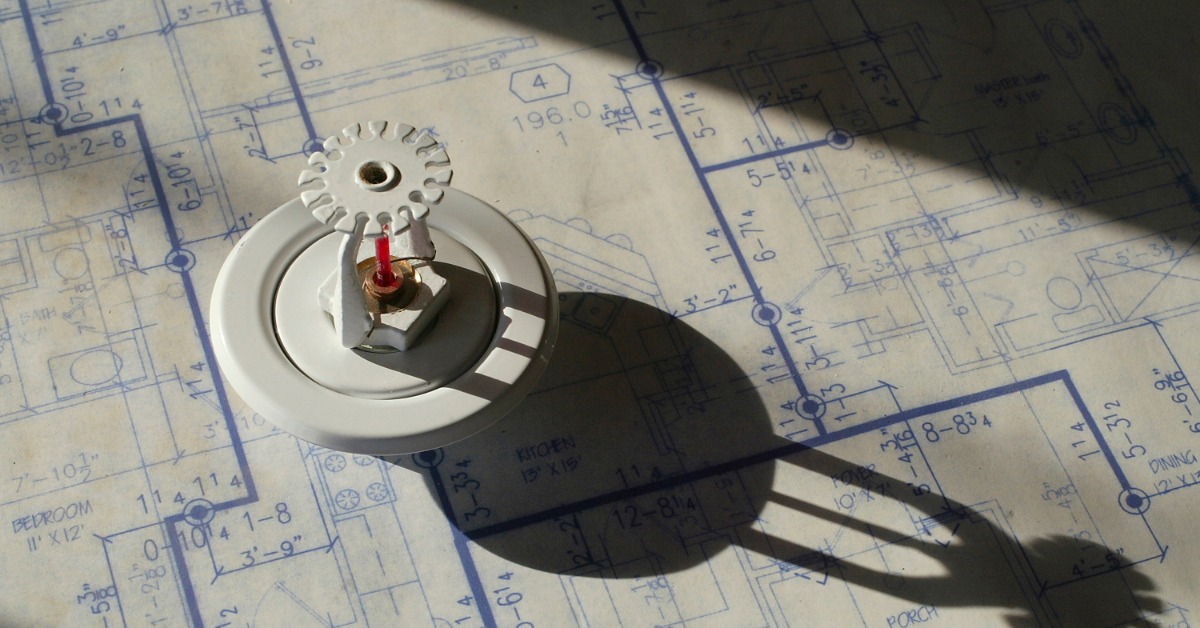
The installation process begins with a thorough site evaluation. Engineers and designers review occupancy type, building layout, and hazard classification to determine system requirements. They calculate water demand in accordance with standards such as those established by the National Fire Protection Association.
Designers then create detailed shop drawings that show pipe routing, sprinkler head placement, and valve locations. These drawings specify pipe sizes, spacing, and connection points. Accurate planning at this stage reduces costly revisions later in the project. Designers balance these layouts carefully alongside localized emergency building ordinances governed under the California Office of the State Fire Marshal automatic sprinkler layout guidelines.
Contractors review the design with business owners and facility managers to align expectations. They establish a preliminary schedule and outline any potential challenges. Clear planning lays the foundation for a smooth installation.
After completing the design, contractors submit the plans to the local authority with jurisdiction. Officials review the drawings to confirm compliance with fire codes and building regulations. This review protects occupants and ensures consistent safety standards.
Permit approval timelines vary by region. Some jurisdictions complete reviews quickly, while others require additional documentation or revisions. Contractors must receive formal approval before beginning physical installation.
Facility managers should confirm that permits remain active throughout the project. Proper documentation prevents unexpected work stoppages and keeps the project on schedule.
Once officials approve the plans, contractors order the necessary materials. These materials include pipe, fittings, hangers, valves, sprinkler heads, and alarm devices. Lead times can vary depending on supplier inventory and project size.
Contractors coordinate deliveries to match the installation schedule. Organized staging allows crews to access materials quickly and move efficiently through the building. Proper planning during this phase reduces downtime and keeps labor productive.
Project managers also verify that all components match approved specifications. Accurate material selection ensures compliance and simplifies inspections later in the process.
At this stage, installers begin by laying out hanger locations and mounting supports according to the approved drawings. They then run main lines and branch lines through ceilings or along structural members. Precise alignment and secure connections remain essential for long-term performance.
In new construction, crews often complete pipe installation before drywall and ceiling finishes go in place. Retrofit projects require more coordination because technicians must open finished areas and restore them afterward. Working in occupied spaces demands careful scheduling and attention to cleanliness.
Installers check slopes and connection points throughout this phase. Proper pipe pitch ensures effective drainage and future maintenance. Thorough workmanship during installation helps prevent leaks and service issues later.
After securing the piping network, technicians install sprinkler heads in their designated locations. They verify spacing, clearance from obstructions, and alignment with ceiling finishes. Each head must match the hazard classification and temperature rating specified in the design.
Crews also install control valves, flow switches, and integrated alarm connections. These components allow the system to activate properly and notify occupants during a fire event. Proper labeling and signage complete this stage of the installation.
Attention to detail ensures that each component functions as intended. Installers double-check fittings and tighten connections to maintain system integrity.
Before activating the system, contractors conduct pressure testing to confirm that the piping holds under the required conditions. They flux the lines to remove debris and ensure unobstructed water flow. These tests verify that the system performs as designed.
Local inspectors then witness final testing. They compare the completed installation against approved drawings and applicable codes. Inspectors confirm proper coverage, valve operation, and alarm functionality.
Once officials approve the system, it can enter active service. At that point, the building gains an essential layer of fire protection designed to respond quickly in an emergency.
Now that you know how long a sprinkler installation takes and what happens during the process, you can plan construction schedules for your business or facility with greater confidence. Careful design, proper installation, and thorough testing ensure reliable long-term protection.
If you want to add a new sprinkler system to your commercial facility, contact Hedrick Fire Protection today. We have experience providing a wide range of services, including commercial restaurant fire protection services, and can help you ensure your property is fully prepared.