

How Improper Maintenance Can Damage Fire Hydrants
2/4/2026
2/4/2026
Every commercial property relies on dependable fire hydrants to keep people and property safe. Business owners and facility managers must maintain these vital devices so they're ready for action when needed most, which requires a structured program of regular inspection and maintenance.
But performing maintenance incorrectly can lead to real risks. Being aware of these mistakes is essential, which is why it's important to learn how improper maintenance can damage fire hydrants.
One of the most common maintenance errors is applying excessive force to the operating nut. Technicians who lack proper training often believe that tighter seals prevent leaks more effectively, but this misconception causes significant harm. When someone uses too much torque to close a hydrant, they crush the main valve rubber against the seat ring.
For facility teams overseeing commercial complexes or industrial spaces in areas like Placentia, this excessive pressure permanently deforms the rubber component, destroying its ability to form a watertight seal. Future attempts to close the hydrant will fail because the damaged rubber can no longer sit flush against the metal seat.
The resulting leakage erodes the ground beneath the hydrant, wastes water, and renders the unit unreliable for fire protection. Qualified professionals understand the precise force required to close the valve without damaging internal components.
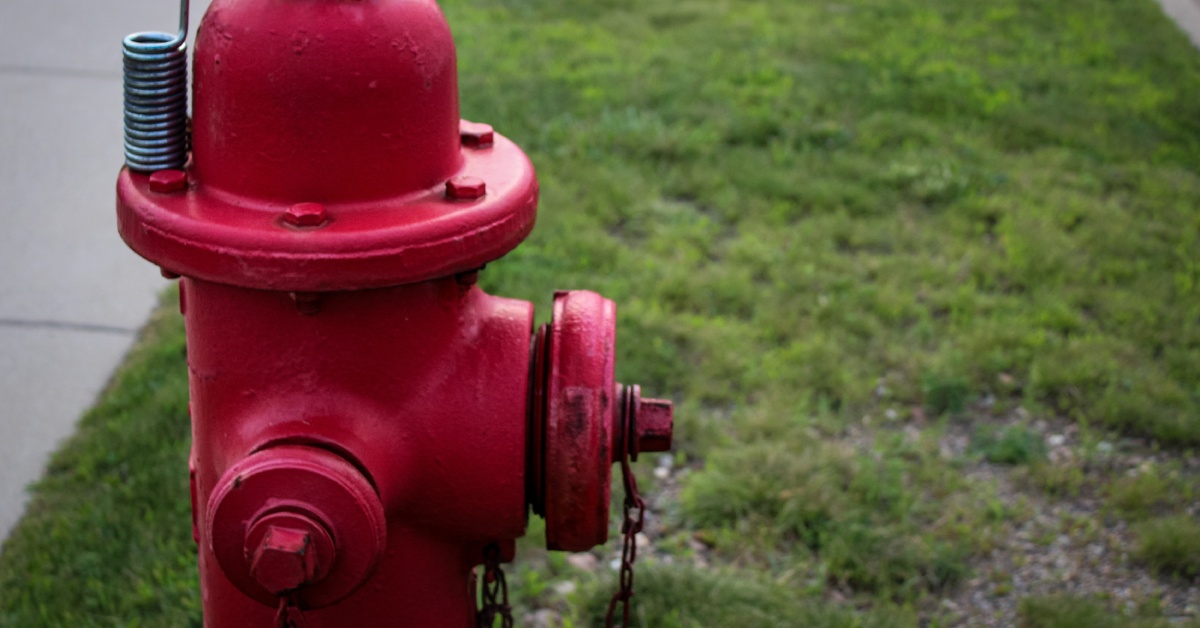
Nozzle caps protect the threads to which firefighters connect their hoses during an active fire event. Maintenance crews frequently forget to remove these caps and apply fresh food-grade grease to the threads during annual inspections. Without this crucial lubrication barrier, metal-on-metal corrosion can seize the caps onto the hydrant body over time.
When firefighters arrive at a burning building, they lose precious minutes struggling to remove seized caps with heavy wrenches. If they cannot remove the cap, they cannot access the water supply, which forces them to find a more distant water source. Regular lubrication ensures that caps spin off freely by hand, allowing immediate access to water when seconds count.
In regions where temperatures drop below freezing, dry barrel hydrants rely on a functional drain valve to empty the barrel after use. Improper maintenance often leads to debris or sediment obstructing these drain holes because technicians fail to flush them properly. To trace diagnostic methods for underground water columns, safety supervisors can monitor specifications outlined by the American Water Works Association (AWWA) guidelines.
When water remains trapped inside the barrel during winter, it freezes and expands with tremendous force. This expansion cracks the heavy cast iron body of the hydrant or damages the internal operating stem. A cracked hydrant body represents a total failure of the equipment and requires a complete and expensive replacement. To learn more about the mechanics behind underground infrastructure vulnerabilities, see our guide on why fire hydrants fail. Ensuring the drain valve operates correctly prevents catastrophic freeze damage and guarantees the hydrant functions in all weather conditions.
Another example of improper maintenance damaging fire hydrants is when untrained personnel attempt to open or close hydrants with standard pipe wrenches rather than a designated hydrant wrench. Pipe wrenches have serrated teeth that dig into the brass or bronze operating nut, stripping its pentagonal shape.
Once the corners of the operating nut become rounded, emergency responders cannot grip it with their standard tools. This damage effectively locks the hydrant in its current position, whether open or closed. Professional maintenance teams always utilize the correct five-sided hydrant wrench to preserve the integrity of the operating nut. Preserving the shape of this nut remains vital for ensuring universal access for any fire department engine company that arrives on site.
Facility managers often prioritize aesthetics and order fresh coats of paint for their exterior equipment. However, inexperienced painters frequently apply thick layers of paint over the nozzle threads, operating nut, and bonnet bolts. Paint on the threads changes their dimensions and fills the grooves, which prevents fire hoses from coupling securely to the hydrant.
If a hose cannot connect or blows off under pressure due to clogged threads, the water supply to the fire engine fails instantly. Additionally, paint on the operating nut acts like glue, binding moving parts together and increasing the torque needed to open the valve. For property managers keeping commercial or industrial sites pristine in areas like Orange, maintenance protocols must strictly dictate where paint belongs and, more importantly, where it must never go.
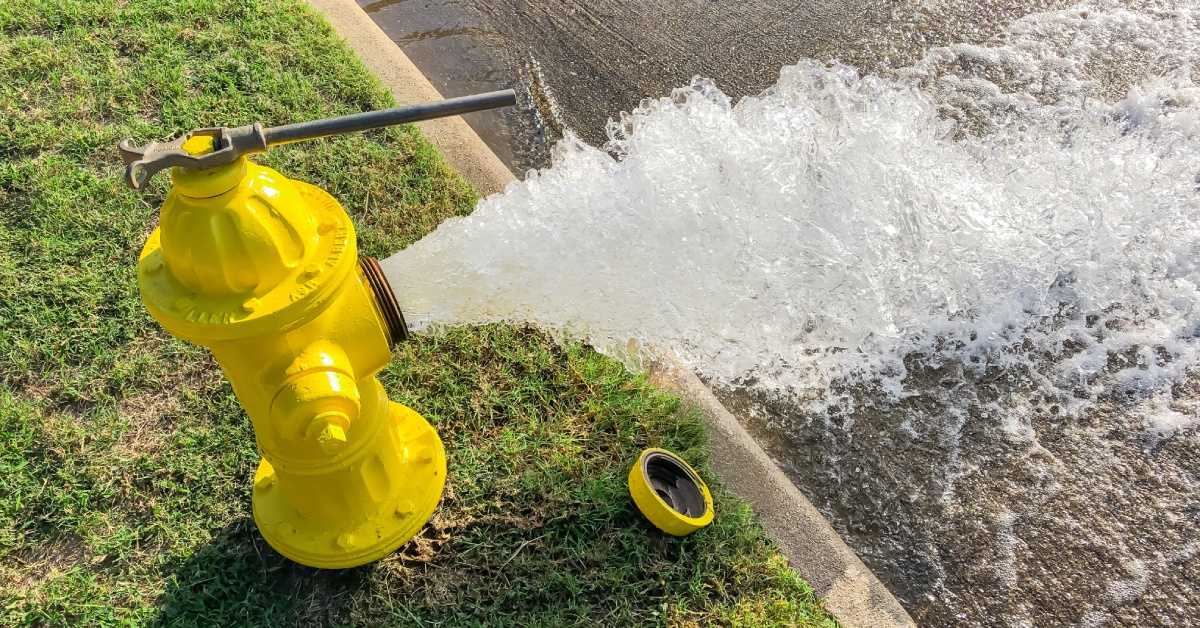
Sediment, rust, and gravel accumulate in water mains over time and settle near the base of fire hydrants. Proper maintenance requires flushing the hydrant fully open to push this debris out of the system at high velocity. But when technicians only partially open the hydrant during tests to avoid splashing or water runoff, they fail to generate enough force to scour the barrel.
This debris remains inside and eventually lodges between the main valve and the seat ring when the unit attempts to close. A small rock or piece of rust trapped in the seal prevents the valve from closing completely, causing a persistent leak. This scouring damage to the valve seat requires invasive repairs to fix and highlights why full-flow flushing remains mandatory.
Modern fire hydrants feature a safety device called a traffic flange or breakaway flange located near the ground line. This component breaks cleanly upon impact from a vehicle, preventing damage to the main water line below ground. Improper maintenance often occurs when workers replace broken bolts on this flange with stronger, non-standard bolts.
If a vehicle strikes a hydrant with high-strength steel bolts installed, the flange will not break as intended. Instead, the force transfers directly to the underground piping and the shoe of the hydrant. This transfer of force ruptures the connection to the water main, causing a massive underground geyser that undermines the foundation of nearby structures. Using the correct breakaway bolts ensures the safety mechanism functions properly to protect your underground infrastructure.
The packing gland seals the operating stem to prevent water from spraying out of the top of the hydrant during operation. Maintenance personnel sometimes overtighten this gland to stop minor weeping or leaks. However, excessive pressure on the packing material creates immense friction against the operating stem.
This friction makes the hydrant incredibly difficult to open. In extreme cases, the stress snaps the steel operating stem when someone attempts to force the hydrant open. A broken stem renders the hydrant completely useless until a professional excavates and repairs the unit. Correctly adjusting the packing gland balances the seal's effectiveness with ease of operation to ensure functionality.
The reliability of your fire protection system begins with diligent, expert maintenance. Preventing these costly and dangerous mistakes requires knowledgeable professionals dedicated to service excellence.
If you want to protect your property, your team, and your reputation, trust Hedrick Fire Protection. In addition to providing hydrant testing, repairs, and installations, we also excel as a high-quality fire sprinkler company in San Diego. Contact us today to learn how our expertise can strengthen your fire safety strategy.