

Do Expired Fire Extinguishers Pose Safety Risks?
4/7/2026
4/7/2026
When a building or a business has a commercial fire extinguisher, managers and staff members can feel more confident that they have a way to control small fires before they grow into major emergencies.
For facility managers operating commercial properties or industrial hubs in areas like El Centro, keeping emergency equipment up to code is a baseline requirement for daily operations. However, if the unit's expiration date has long passed, you may wonder about your safety. Read on to learn the answer in this blog as we examine whether expired fire extinguishers pose safety risks.
Let's answer the main question on your mind: yes, using an expired fire extinguisher is dangerous. There are several reasons why business owners and facility managers should not rely on these devices in a fire.
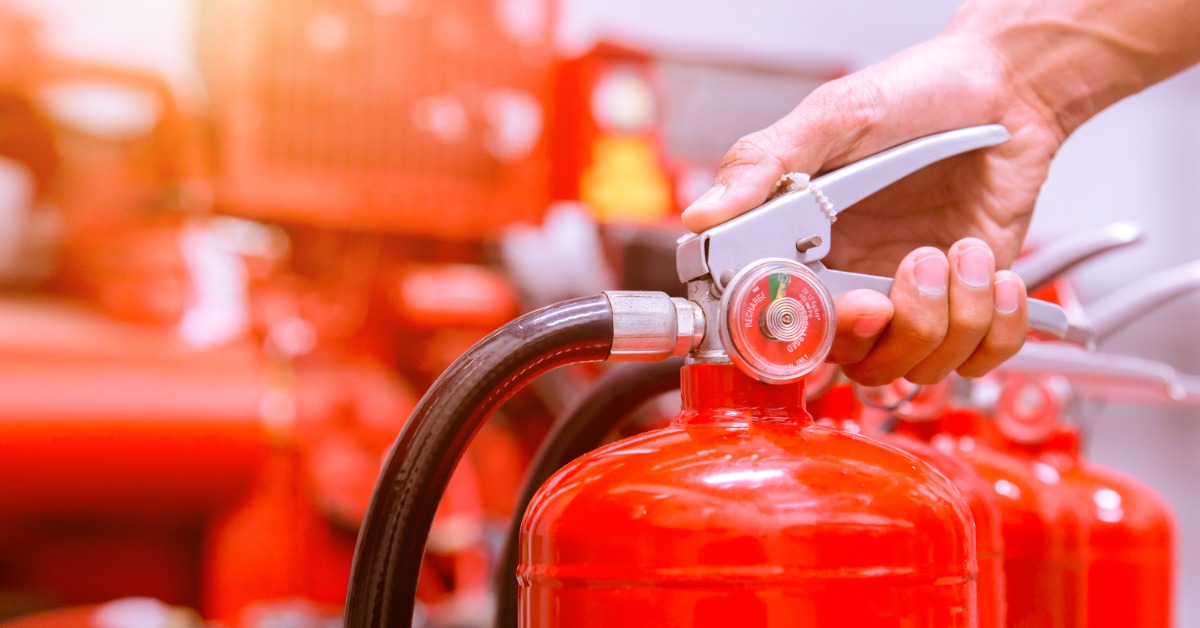
A fire extinguisher relies on internal pressure to push the extinguishing agent out of the cylinder and toward the fire. Over time, that pressure can slowly decrease due to tiny leaks or natural changes in the cylinder seals. When pressure drops, the extinguisher cannot discharge properly.
An expired extinguisher might release a weak stream instead of a strong spray. That weak discharge cannot reach the fire effectively or coat burning materials with enough extinguishing agent. During a fast-moving fire, even a few seconds of ineffective discharge can allow flames to spread beyond control.
Fire extinguishers contain specific suppression agents designed to stop certain types of fires. Dry chemical powder, foam, or other materials can degrade after long periods inside the cylinder. Moisture, temperature changes, and chemical breakdown can affect how well these agents work.
When the suppression material deteriorates, it may clump together or lose its effectiveness. A clogged or degraded agent cannot disperse evenly across burning materials. As a result, the extinguisher may fail to stop the fire even if the device releases pressure correctly.
Metal cylinders are subject to environmental stress over many years of service. Humidity, temperature changes, and physical wear can slowly cause corrosion inside the extinguisher tank. Corrosion weakens the cylinder walls and damages internal components.
If corrosion becomes severe, the extinguisher may leak or rupture when used. Structural damage also increases the risk of malfunction during an emergency. Instead of controlling the fire, a compromised extinguisher can create additional safety hazards.

Extinguishers contain valves, hoses, and nozzles that direct the extinguishing agent toward the fire. Over time, dust, residue, and deteriorating chemicals can clog these components. A clogged nozzle blocks the discharge path, preventing the extinguisher from operating correctly.
Employees often assume that an extinguisher will work because it hangs on the wall. However, internal blockages may stop the agent from leaving the cylinder. Without regular inspection and replacement, an expired extinguisher may fail when someone attempts to use it.
Fire extinguishers include moving parts such as handles, pins, valves, and pressure gauges. These components wear over time. Rubber seals can dry out, springs can weaken, and gauges can lose accuracy.
Mechanical failure becomes more likely after the extinguisher passes its recommended service life. A broken valve or inaccurate gauge can prevent the device from functioning during a fire emergency. For businesses that depend on fast action, unreliable equipment creates unacceptable risk.
Now that you know how expired fire extinguishers pose safety risks, we can review what you should do when they expire. Several practical options allow organizations to restore proper protection and maintain compliance with safety standards. For workplace equipment monitoring protocols, employers can cross-reference the federal guidelines outlined within the OSHA 1910.157 standard for portable fire suppression tools.
One step to take is to schedule a professional inspection. This provides the fastest way to evaluate an expired extinguisher. Fire protection technicians examine the cylinder, pressure gauge, hose, and internal components to determine whether the unit can continue providing service.
During an inspection, technicians verify pressure levels and check for corrosion, leaks, and mechanical damage. They also confirm whether the extinguisher meets required safety standards. For operations running commercial facilities or agricultural warehouses near Calexico, this evaluation helps facility managers decide whether immediate maintenance or full replacement offers the safest solution. Professional inspections also support ongoing compliance with fire codes and workplace safety regulations.
Some extinguishers remain structurally sound even after the expiration date appears on the service tag. In these cases, technicians may recharge the extinguisher. Recharging involves replacing the extinguishing agent and restoring proper internal pressure.
Technicians disassemble the extinguisher, remove the remaining chemical agent, inspect the interior, and refill the cylinder with fresh suppression material. They then pressurize the cylinder and confirm that all valves and hoses operate correctly. Recharging can extend the useful life of certain extinguishers while restoring reliable performance. However, technicians must verify that the cylinder still meets strict safety standards before completing this process.
Replacement becomes necessary when the extinguisher shows structural damage, heavy corrosion, or mechanical failure. New extinguishers provide the most reliable protection because they include modern components and fresh suppression agents. To understand more about the structural limits of aging equipment, check out our deep dive on do expired fire extinguishers work.
Replacing outdated equipment also allows businesses to assess whether their current fire protection setup meets the facility's needs. Different work environments require different types of extinguishers for various fire classes. A professional technician can recommend appropriate models during the replacement process. Installing new units ensures that employees have dependable tools during an emergency while helping companies maintain absolute workplace readiness.
Businesses should treat fire extinguisher maintenance as an ongoing responsibility rather than a one-time task. Regular inspection and servicing prevent equipment from reaching dangerous conditions. Facility managers can schedule monthly visual checks and annual professional inspections.
During routine checks, staff members can confirm that extinguishers remain visible, accessible, and properly pressurized. They also verify that inspection tags stay current and that no physical damage appears on the cylinder or hose. A consistent maintenance schedule reduces the risk of expired or malfunctioning equipment while reinforcing a strong safety culture among your personnel.
After learning why expired fire extinguishers pose serious safety risks to businesses and buildings, make sure you keep track of your units so you can rely on them to provide the protection you need. Inspect your equipment regularly and replace or service units before they become unreliable.
If your facility needs to buy new fire extinguishers or have your existing ones repaired, refilled, or inspected, contact Hedrick Fire Protection today. We can also help you with other safety infrastructure adjustments to protect your facility, including professional commercial fire hydrant installations.